Last updated November 21, 2026
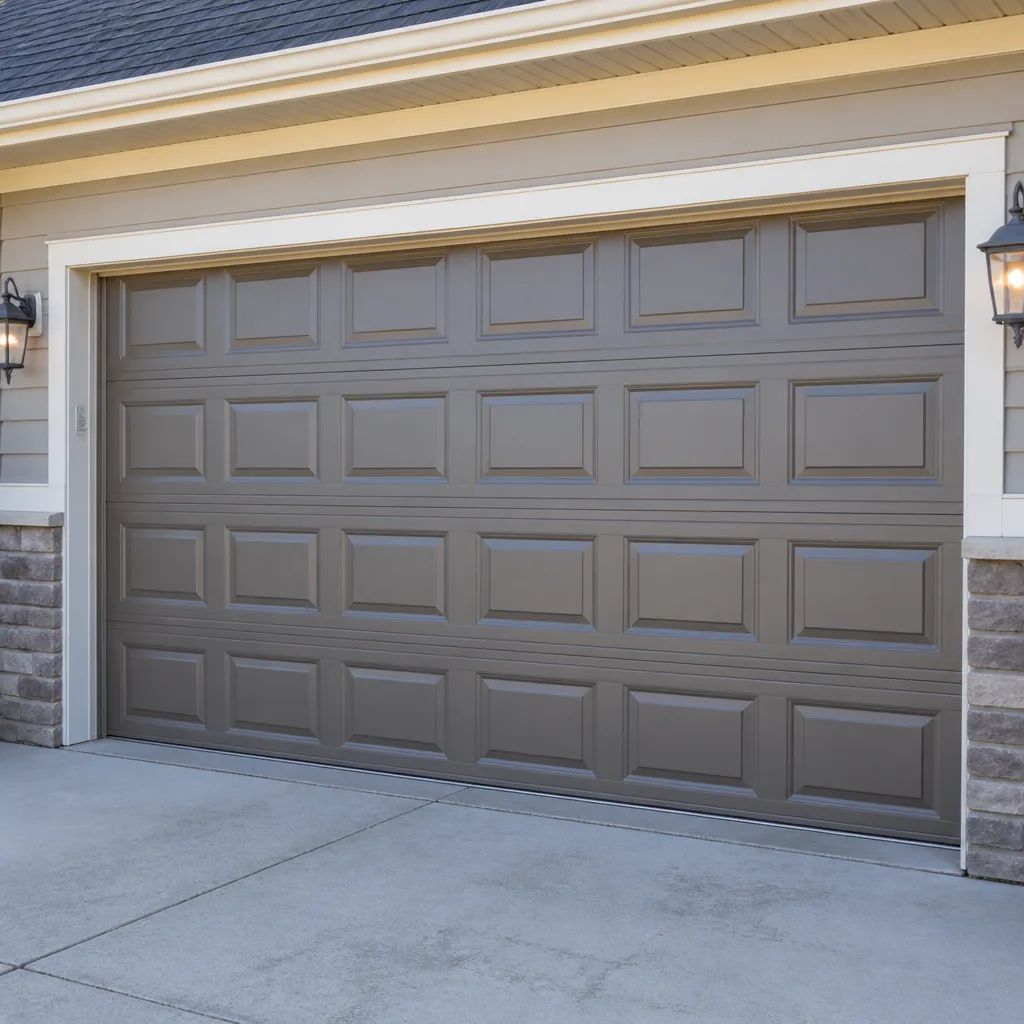 Raised-panel steel
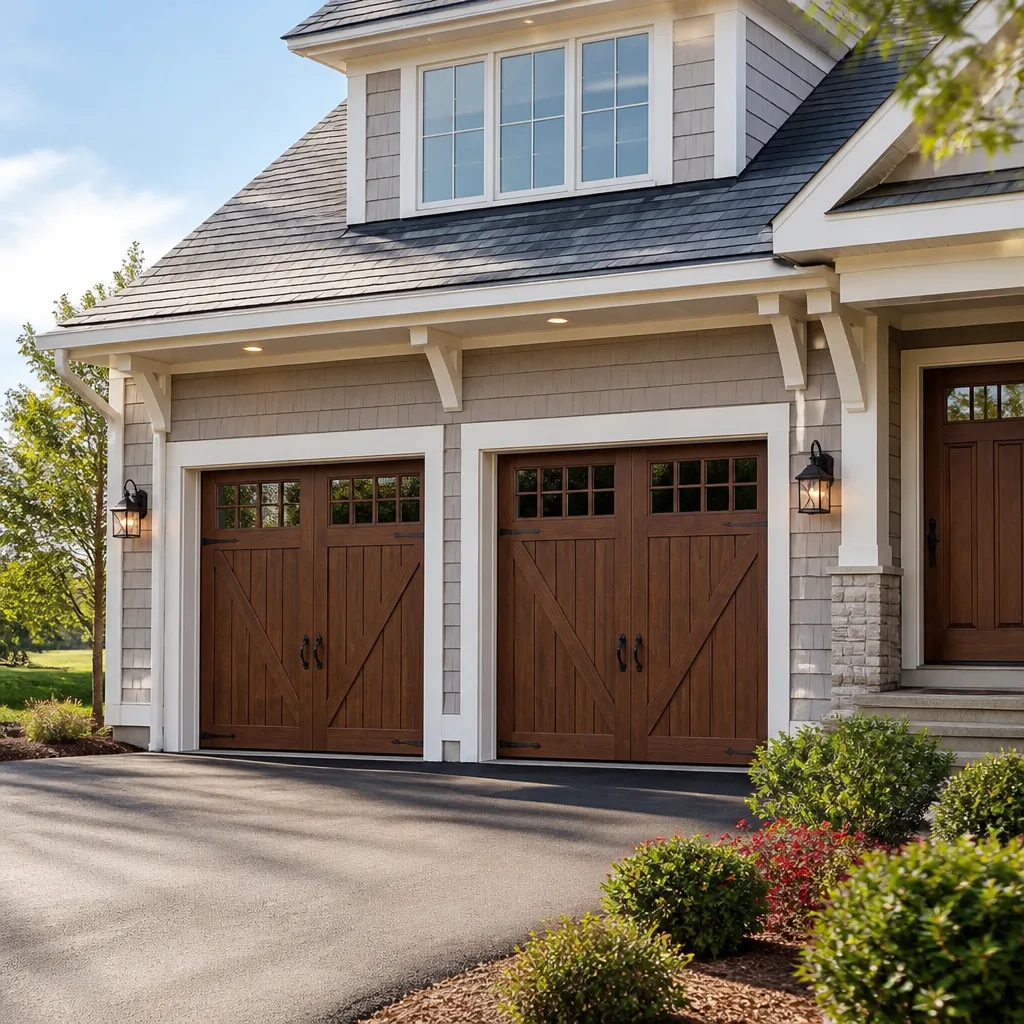 Carriage house
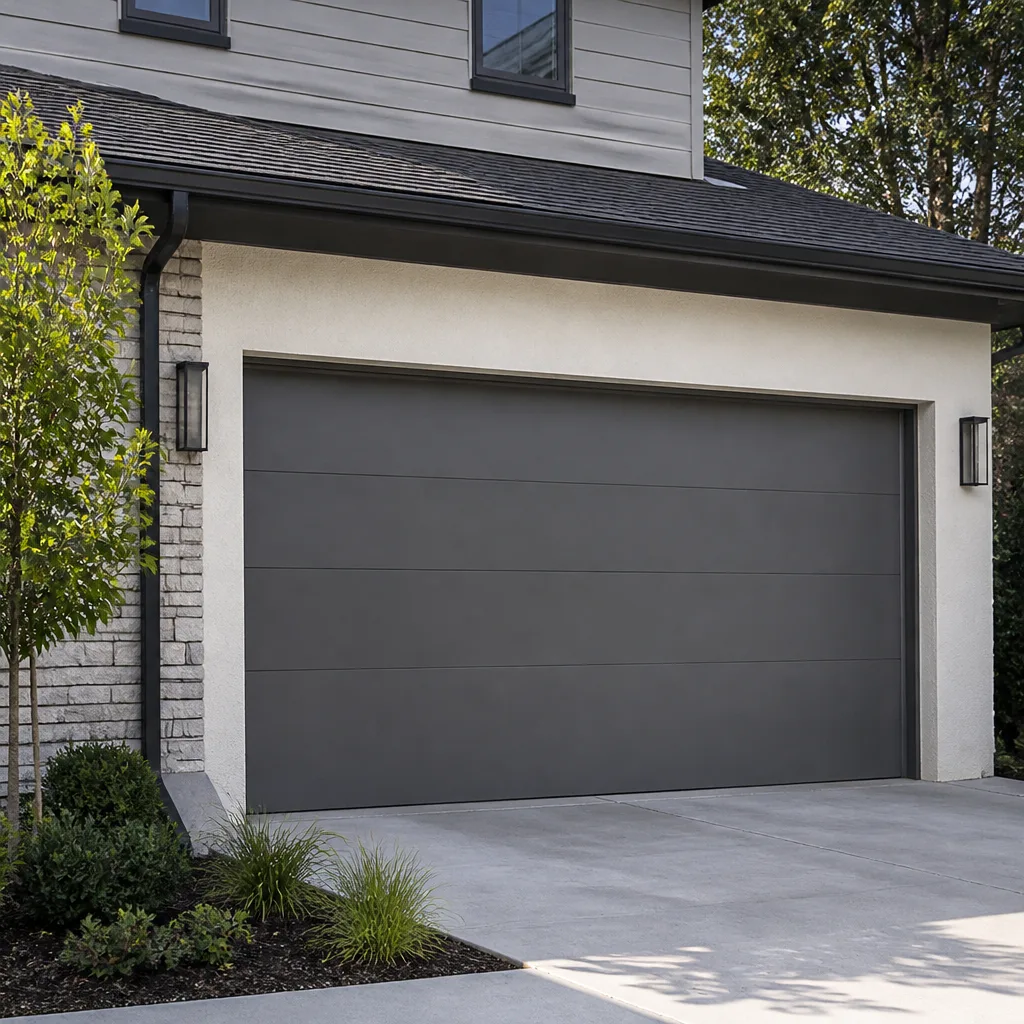 Modern flush
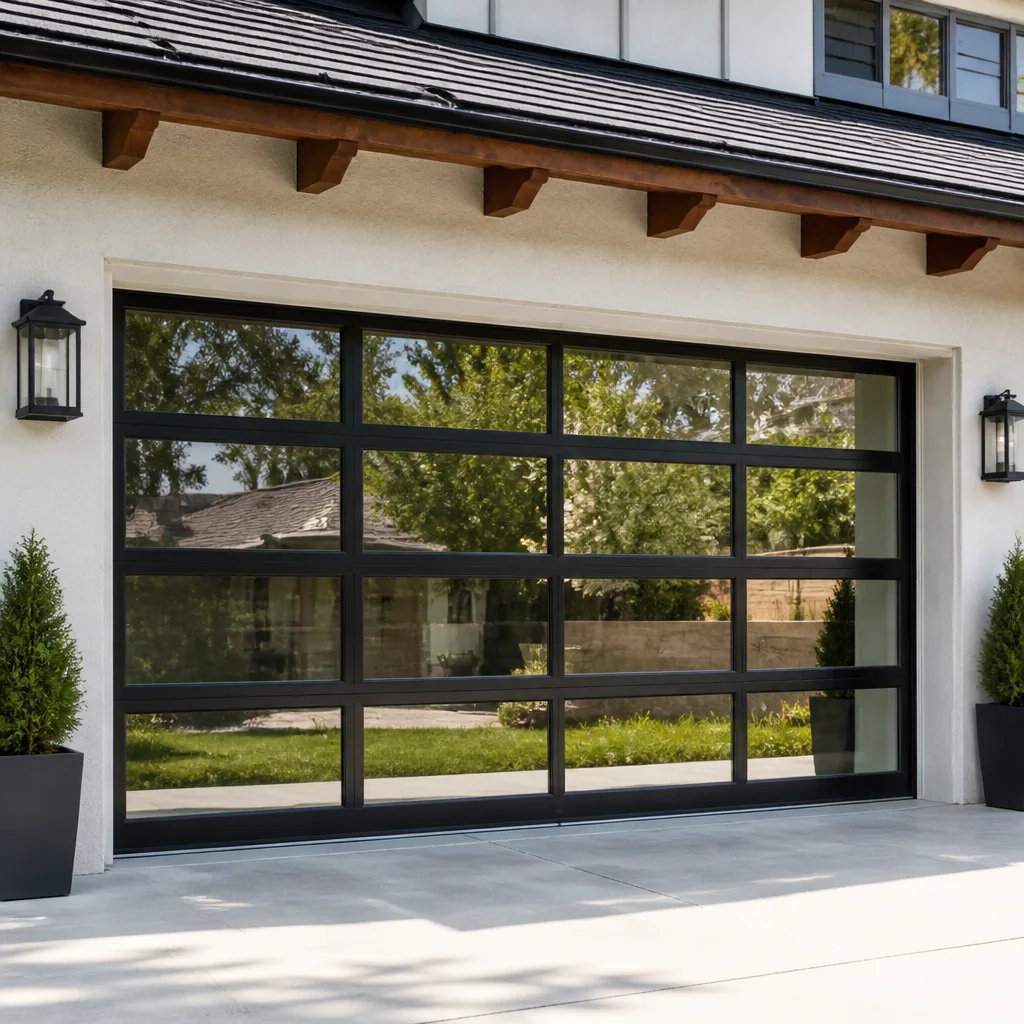 Full-view glass
 LiftMaster openers
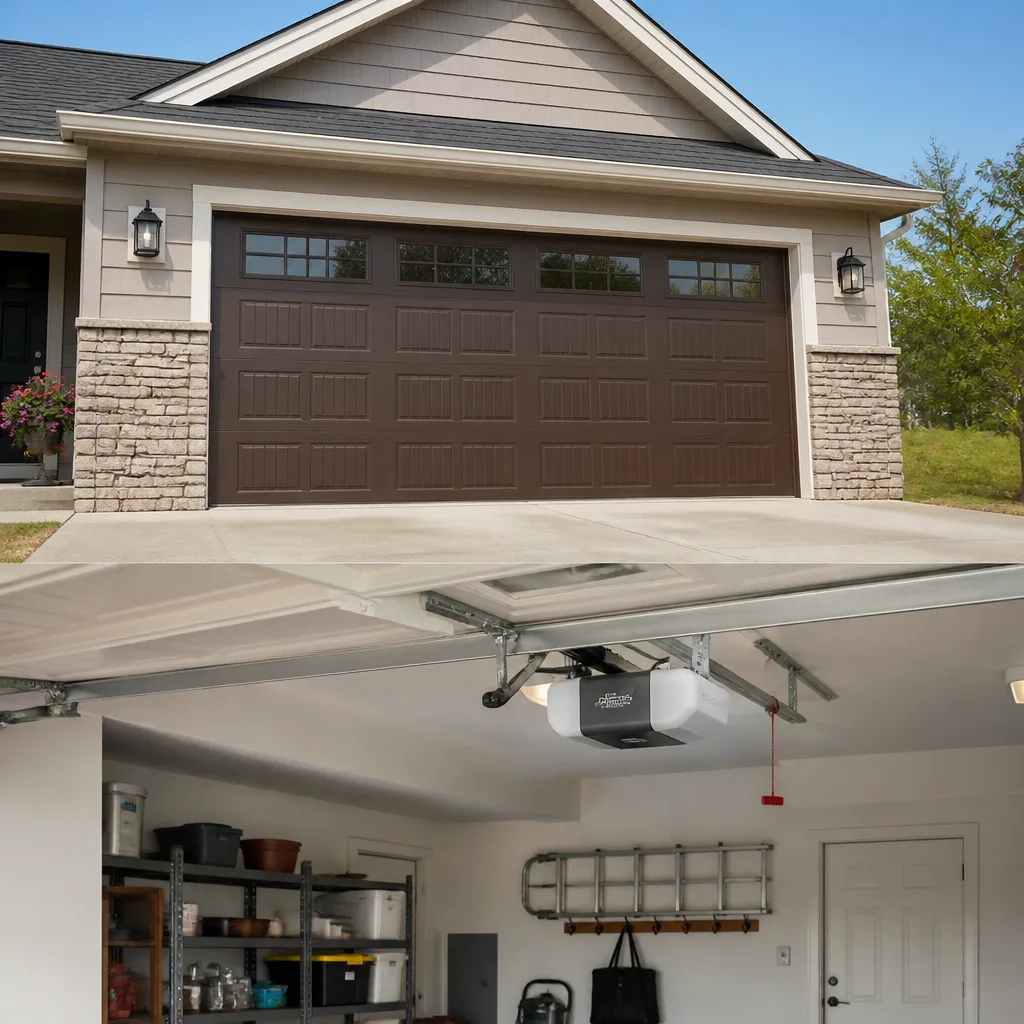 Chamberlain openers
Full 25-point door and opener safety check with every visit - springs, cables, rollers, tracks, and your LiftMaster or Chamberlain opener included
You get a price before we start. It does not change when the pro arrives.
Get your free estimateGarage Door Emergency Preparedness Guide for Paterson Homes
Most Paterson homeowners think about their garage door twice a year: when it opens and when it closes. That’s the problem. The moment a torsion spring snaps, or the opener grinds to a halt with the car trapped inside, is the worst possible time to start figuring out what to do. Panic leads to bad decisions – yanking on a door that’s already off its tracks, forcing a frozen seal until the motor burns out, or propping a gaping door shut with a chair and hoping for the best. This guide is the thinking you do beforehand. We’ll walk you through the four responses to a spring failure at 7 a.m. on a workday, how to release a door by hand safely when the power dies, and what to tell a Paterson technician so they arrive with the right parts the first time.
Quick Answer
A garage door emergency in Paterson is any failure that leaves the door stuck open, stuck shut, or unsafe to operate – most often a broken spring, a dead opener, a door off its tracks, or a door that won’t close and leaves the house exposed. The right response is to stop operating the door, secure the opening if it won’t close, and call a technician who can diagnose the specific brand and system. Never force a door with a snapped spring or a jumped cable; the door can fall, and the hardware is under extreme tension.
Styles & brands we work with
- Raised-panel steel
- Carriage house
- Modern flush
- Full-view glass
- LiftMaster openers
- Chamberlain openers
Table of Contents
- The Four Options When Your Door Fails (and the One That Works)
- How to Open Your Garage Door by Hand During a Power Outage
- How to Secure a Garage Door That Won’t Close
- When Your Door Comes Off Its Tracks: What to Touch and What to Leave Alone
- What to Tell a Paterson Technician So They Arrive Prepared
- The Frozen Bottom Seal: Winter’s Most Common Call
- Why a Broken Spring Is a Stop-Everything Emergency
- The Paterson Homeowner’s Garage Door Preparedness Checklist
- Common Mistakes to Avoid
- When to Call a Professional
- Frequently Asked Questions
The Four Options When Your Door Fails (and the One That Works)
When a torsion spring snaps at 7 a.m. on a Tuesday and your car is inside the garage, you have about four options. Three of them make the situation worse or more expensive. Knowing the fourth one before it happens is the entire point of this guide.
Option one: force the door up by hand. This is the instinct most people have, and it’s the most dangerous. A door with a broken spring is no longer counterbalanced – it can weigh 150 to 200 pounds or more, and the remaining spring or cable can release suddenly. People get hurt doing this. We don’t recommend it.
Option two: keep cycling the opener. Repeatedly hitting the button on a dead or struggling opener motor burns out the gear assembly and the capacitor. What was a repair becomes a replacement. In our experience, the opener almost never recovers, and the damage compounds with every press.
Option three: prop the door and wait indefinitely. This leaves your home exposed and leaves you without a car. In Paterson, where many homes sit close to the street with driveways that open directly onto the sidewalk, an open garage is visible to everyone walking past. Waiting isn’t neutral; it’s a security gap that widens by the hour.
Option four: stop, secure, and call for same-day emergency service. This is the one that works. Stop operating the door the moment something sounds wrong. If the door won’t close, secure the opening with a temporary measure (covered below). Then call a service that treats emergency garage door repair as a core offering, not an afterthought. The value of a specialist here is that they know your brand before they arrive – whether it’s a LiftMaster opener, a Wayne Dalton door, or a Craftsman unit that came with the house.
That fourth option only works if you’ve thought about it in advance. That’s what this guide is for.
How to Open Your Garage Door by Hand During a Power Outage
Every residential garage door opener has a manual release – it’s the red cord hanging from the trolley carriage, usually near the top center of the door. Pulling that cord disengages the opener so the door can be moved by hand. The sequence matters, and the order is the part most homeowners get wrong.
Here’s the correct procedure in order:
- Confirm the door is fully closed first. Never pull the release cord while the door is open or partway up. A door that’s open when you disengage the opener can drop without warning, especially if a spring is weak.
- Find the red release cord hanging from the trolley – the part of the opener that rides the rail above the door. It should have a tag or handle on it.
- Pull straight down firmly. You’ll hear or feel a click as the carriage releases from the trolley. The chain or belt stays where it is; the door is now free.
- Lift the door slowly by hand. The door should stay in place at roughly the halfway point if the springs are balanced. If it slams back down or feels impossibly heavy, the springs are compromised – stop and call for service rather than fighting it.
- Open it only as far as you need, drive the car out, then close it by hand and re-engage the trolley by hand and the opener will reconnect automatically the next time it runs.
A note on safety: if you lift the door and it feels far heavier than normal, do not force it. That heaviness is a spring telling you something is wrong. Our technicians can diagnose whether it’s a broken spring, a worn cable, or a balance issue – and the local garage door spring repair service is what you need, not a workaround.
In Paterson, power outages tend to follow the same patterns as anywhere else in North Jersey – summer storms, the occasional grid event. The manual release works every time, but only if you know where it is before you need it. Go look at yours now. It takes thirty seconds.
How to Secure a Garage Door That Won’t Close
A garage door that won’t close leaves your home both visible and accessible. The instinct is to prop it shut with something – a chair, a broom handle, a stack of boxes. Some of those work temporarily. Some give false security and fail overnight.
What actually works as a temporary measure:
- The manual release plus a hand-close. If the opener failed but the door itself is balanced, disengage the trolley (as above), lower the door by hand, and it will stay shut on its own. This is usually the safest fix overnight.
- A c-clamp or vice grip on the track above the bottom roller. Clamping the track above a roller prevents the door from rolling up. This holds a door that’s closed but not locked.
- A padlock through the track hole – many doors have a factory hole in the vertical track you can lock through. This is mechanical and reliable.
- The deadbolt/slide lock on the door itself. If your door has a manual slide lock, use it. Many older doors in Paterson’s residential neighborhoods still have these, and they work independently of the opener.
What gives false security:
- A chair or other loose object wedged against the door. A person or an animal can knock it out of position.
- Bracing the door from inside with anything on wheels.
- Relying on the opener’s lock feature if the opener is already malfunctioning.
The thing most homeowners don’t realize: a door that won’t close is often a sensor issue (misaligned safety eyes at the bottom), not a mechanical failure. If the door goes up but reverses immediately at the bottom, check whether something is blocking the small photo-eye sensors on either side of the opening and whether the lights on them are solid rather than blinking. If they’re misaligned, a gentle nudge might fix it; if the alignment keeps drifting, that’s a track or mounting issue that needs a professional. If the door does something else entirely – grinds, hangs, or reverses with nothing in the way – that’s the signal for a garage door repair call rather than a DIY sensor reset.
When Your Door Comes Off Its Tracks: What to Touch and What to Leave Alone
A door that has come off its tracks is one of the most dangerous situations in garage door repair. The door is no longer constrained by the rails, the cables may be loose, and the whole assembly can shift or fall. Here’s how to assess it safely from a distance, and what not to touch.
Do not touch:
- The cables. Garage door cables are under hundreds of pounds of tension and can cause severe lacerations if they snap or whip. Never grab, cut, or adjust a cable yourself.
- The torsion spring or its winding bars. This is the single most dangerous component on any door. Do not attempt to wind, unwind, or adjust a spring.
- The door itself if it’s partially out of the track and leaning. Pushing it back in can cause it to fall or come back at you.
How to assess whether it’s stable:
- Stand clear and look at the gap between the rollers and the track. If the door has fully popped out on one side, it’s unstable – assume it could fall.
- Check whether the door is resting on the floor or hanging in the air. Hanging is more dangerous.
- Note which side came out and whether the track itself is bent. A visibly bent track is the reason the door left it.
- Do not try to close it. A door off its tracks can’t close correctly and forcing it may bend panels or the track further.
How to describe it when you call: tell the technician which side is out (left or right, viewed from inside), whether the track is bent, whether the door is hanging or resting, and whether you can see any slack or damaged cable. That information is what lets a technician bring the right hardware – track sections, rollers, hinge plates – on the first visit. If you can text a photo, even better.
A door off its tracks is not a same-day-afternoon kind of repair; it’s an emergency that needs prompt, careful attention. Two people should never try to lift a door back onto its tracks. We’ve seen doors come off tracks during a single spring failure, during a car impact, and during storm-wind events. The pattern is always the same: the door needs professional re-hanging and a full safety inspection afterwards.
What to Tell a Paterson Technician So They Arrive Prepared
The single biggest difference between a quick repair and a return visit is the information given at the first call. Here’s what to have ready.
- The brand and model of the door. If you don’t know, look for a label on the door frame or the bottom of the door. Knowing it’s a Clopay, Amarr, or Raynor changes which replacement parts a technician brings.
- The brand of the opener. LiftMaster, Chamberlain, Genie, and Craftsman are the most common in this area, and each has its own parts compatibility. If the opener is the problem, that’s the detail that matters most.
- What it’s doing (or not doing). “It’s stuck half-open and the opener just clicks” is more useful than “it’s broken.” Likewise, “the door goes up but won’t come down” is different from “the door won’t move at all.”
- Whether the spring looks broken. A broken torsion spring has a visible gap where the coil snapped. A broken extension spring looks stretched and hangs loose. If it does, say so.
- Whether the door is off its tracks, hanging, or resting on the floor. Safety information, and it determines how the technician plans the visit.
- Whether the car is trapped inside. This is the most common Paterson emergency scenario, and it changes the urgency of the visit.
If you can text a photo of the door, the opener, and any damage to the track, that’s the fastest way to make sure the technician arrives with the right hardware. In our experience, the calls that go smoothly are the ones where we already know the brand before we leave, which is one reason we work on eight major door and opener brands – LiftMaster, Chamberlain, Genie, Clopay, Amarr, Wayne Dalton, Craftsman, and Raynor.
The Frozen Bottom Seal: Winter’s Most Common Call
Winter in Paterson brings something that homeowners in warmer climates never think about: the bottom rubber seal of the garage door freezing to the concrete floor. The garage heats just enough to melt snow near the door seam, then refreezes overnight and bonds the seal to the floor. The next morning, the opener grinds and pulls, the door tries to lift, and the bottom seal rips or the opener’s gear assembly strips.
Freeing a frozen seal without damage takes patience, not force:
- Stop pressing the opener. Every cycle puts strain on the motor and the door.
- Free the seal with warm (not hot) water. Pour warm water along the seam where the seal meets the floor. It loosens the ice without warping the rubber. A watering can works well.
- Never use rock salt or de-icing chemicals along the garage door seal – salt eats rubber and metal hardware. Used on the driveway, it’s fine; used against the seal, it damages it.
- Once the seal frees, close the door fully and let it sit. If the opener still won’t work, the fault isn’t the seal; the opener motor may already be stripped, and it’s time for a service call.
Prevention is the better fix. A silicone-based spray on the bottom seal in late fall reduces ice bonding. Keeping the concrete clear of standing water and snowmelt near the threshold helps. And if you’re consistently finding the seal frozen, the seal itself may be worn and due for replacement – a repair that costs much less than the opener gear assembly it will eventually destroy.
Why a Broken Spring Is a Stop-Everything Emergency
Springs are the most dangerous part of any garage door. Here’s why we treat them differently. The torsion spring – the coiled horizontal spring above the door – counterbalances the weight of the door. When it snaps, you hear a loud bang, the door becomes extremely heavy, and the door may drop with force if it was open. Extension springs, common on older doors, run along the sides and can release violently if they break because they aren’t enclosed. This is why modern doors have safety cables running through extension springs.
When a spring breaks:
- Stop operating the door immediately, and don’t try to lift it by hand.
- Do not attempt to wind, unwind, or replace the spring yourself. Torsion springs are wound to hundreds of pounds of torque, and the tools needed are specialized. This is a job for a trained technician, every time.
- If the door is fully closed, leave it closed and call for service. If it’s open, do not try to close it by hand – call.
Typical estimated pricing for a spring repair in the Paterson area runs about $180 to $340 per spring. Doors almost always use two springs, so a matched pair runs about twice that – and if one spring broke, the other is usually the same age and about to fail. Replacing both at once is almost always the cheaper path in the long run. The written estimate sets the final price, and it’s quoted and agreed before any work starts. If you want a closer look at what that repair involves, the garage door spring repair service is the one to call.
One more thing: a broken spring can trip the opener’s safety reverse system or throw the door off its tracks. If your door came down off the track when the spring broke, don’t just fix the spring – get the door and tracks inspected too.
The Paterson Homeowner’s Garage Door Preparedness Checklist
Everything below takes about thirty minutes and costs nothing. It’s the difference between managing an emergency and being caught by one.
- Locate the red release cord. Find it, trace which part of the opener it releases, and show one other person in the house.
- Test the manual release. With the door fully closed, pull the cord and lift the door by hand a few inches. It should stay put; if it drops or is too heavy to lift, call for service before it fails.
- Test the safety reverse. With the door closing, wave a broomstick through the beam of the photo-eye sensors at the bottom. The door should reverse immediately. If it doesn’t, the sensors need adjustment.
- Check the sensors for debris. A cobweb or leaf on the sensor can stop the door from closing. Aim for a solid light – most sensors have a green or amber LED that stays on when aligned.
- Lubricate the moving parts. White lithium grease on the springs (if they’re extension springs) and on the hinges, plus a silicone spray on the bottom seal in late fall.
- Watch and listen to the door. A door that’s louder than last year, that shudders on the way up, or that hangs at the halfway point is telling you something. Get it looked at.
- Keep the opener manual. The model number, in particular, is on the label under the light cover. Write it down and keep it near the release cord.
Paterson’s older housing stock means that many doors in the city are original to the house and past their expected service life. A 1920s or 1950s home with a garage added later might have a spring from the 1990s or a door installed in the 2000s. If you don’t know when your springs were last replaced, that’s the first question to ask a technician.
Common Mistakes to Avoid
- Yanking a stuck door by hand. A door with a broken spring or a jumped cable is heavy and unstable. If it comes down, it comes down fast, and it doesn’t stop for your fingers or feet. Stop and call for help.
- Repeatedly pressing the opener when it grinds. Every press strips a little more of the gear assembly. What starts as a cheap fix (a stripped gear) becomes a full replacement (the whole opener unit).
- Propping a door open door with a chair or box. This is false security – it holds until someone knocks it over. Use the manual release to close the door by hand, or clamp the track.
- Trying to lift a door back onto the tracks. Two adults can’t safely re-hang a 200-pound door, and the risk of injury is high. A trained technician uses the right tools and stabilizes the door first.
- Using salt to free a frozen seal. It ruins the rubber seal and corrodes the bottom hardware. Warm water along the seam works without damage.
- Ignoring a door that hangs at the halfway point when lifted by hand. That’s a spring that’s lost tension. It’s not “fine for now”; it’s predictable and dangerous.
- Calling a general handyman for spring or cable work. Springs and cables are high-tension components that require specialty training and tools. This is the one repair that shouldn’t be a learning curve for anyone involved.
When to Call a Professional
Call for service when the door won’t move at all, when a spring has visibly snapped or lost tension, when the door is off its tracks or hanging, when the opener grinds or hums without moving the door, when the safety reverse fails to work (a real safety hazard, not a small inconvenience), when the cables look slack or kinked, or when the door has been struck by a car. Do not call if you’re still able to operate the door safely and it’s just noisy or slightly stiff – that’s a scheduled maintenance item, not an emergency.
When you do call, Paterson Garage Door Repair Co offers free estimates in Paterson – call (844) 553-2327. Same-day service is available for urgent failures, and we’ll tell you plainly whether you’re looking at a repair or a replacement. If you’d rather book a routine repair, the garage door repair service will get you there. For an opener issue, the garage door opener repair service handles the mechanical side. All of our technicians have up to 14 years of experience, and we work on eight major brands – so we already know your hardware.
Frequently Asked Questions
Most emergency repairs in the Paterson area run about $180 to $340 for a single spring, and a matched pair of springs about twice that. Opener repairs and track re-hanging fall in similar ranges depending on what’s failed. The written estimate sets the final price, and it’s quoted and agreed before any work starts, so there are no surprises. Call (844) 553-2327 for an exact quote – estimates are free.
Yes – same-day service is available for urgent failures like a trapped car or a door that won’t close. When you call, tell us the door brand, the opener brand, and whether the spring looks broken; that information helps us bring the right parts on the first visit. Call (844) 553-2327 and we’ll get you booked.
Stop operating the door immediately and don’t try to lift it by hand. Leave it where it is, keep people and pets clear, and call for service. A broken spring leaves the door far too heavy to lift safely, and the remaining hardware is under tension. Call (844) 553-2327 – estimates are free and we’ll walk you through what to do while you wait.
No – the estimate is quoted in writing, agreed before any work starts, and the written estimate sets the final price. If we discover something during the repair that changes the scope (a bent track, a damaged hinge), we’ll discuss it with you before doing anything and get your agreement first. Call (844) 553-2327 to book an estimate.
The local professional we connect you with is licensed and insured as their state requires. Our technicians have up to 14 years of experience, and we work on eight major brands, including Clopay, Amarr, Wayne Dalton, and Raynor, so we know your hardware before arriving. Call (844) 553-2327 for a free estimate.
Don’t touch it – a door off its tracks can shift or fall, and the cables are under extreme tension. Keep people and vehicles clear, and describe what you see to the technician: which side is out, whether the track is bent, and whether the door is hanging or resting on the floor. Call (844) 553-2327 – we’ll take it from there.
The Bottom Line
A garage door emergency is a decision problem before it’s a repair problem. The right move when a spring snaps or a door comes off its tracks is to stop operating the door, secure the opening if you can do so safely, and call a technician who already knows your brand. The wrong moves – forcing the door, fighting the opener, propping the door with a chair – are the ones that turn a manageable repair into a bigger one. Learn your manual release location, test the safety reverse, and look at your springs before winter. That’s the whole guide.
Written by the team at Paterson Garage Door Repair Co.
See the difference
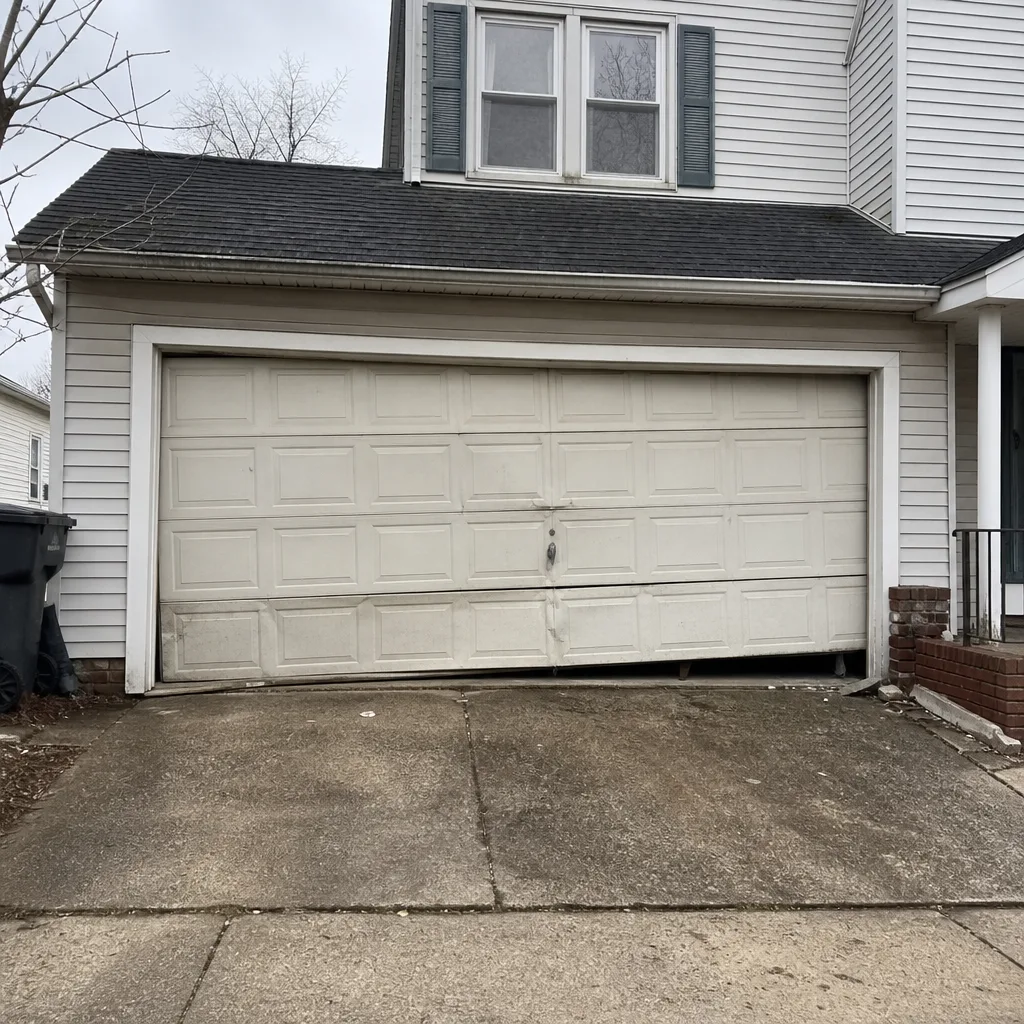 Before
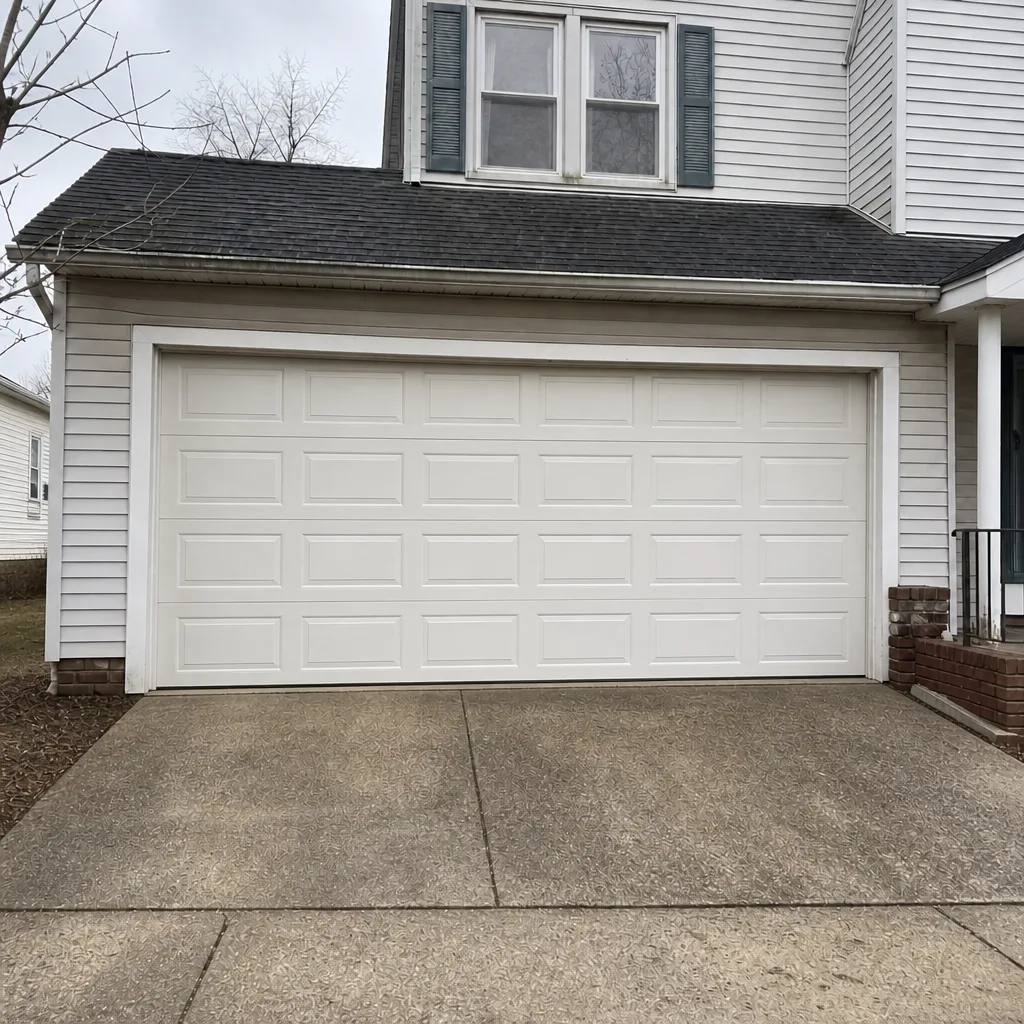 After
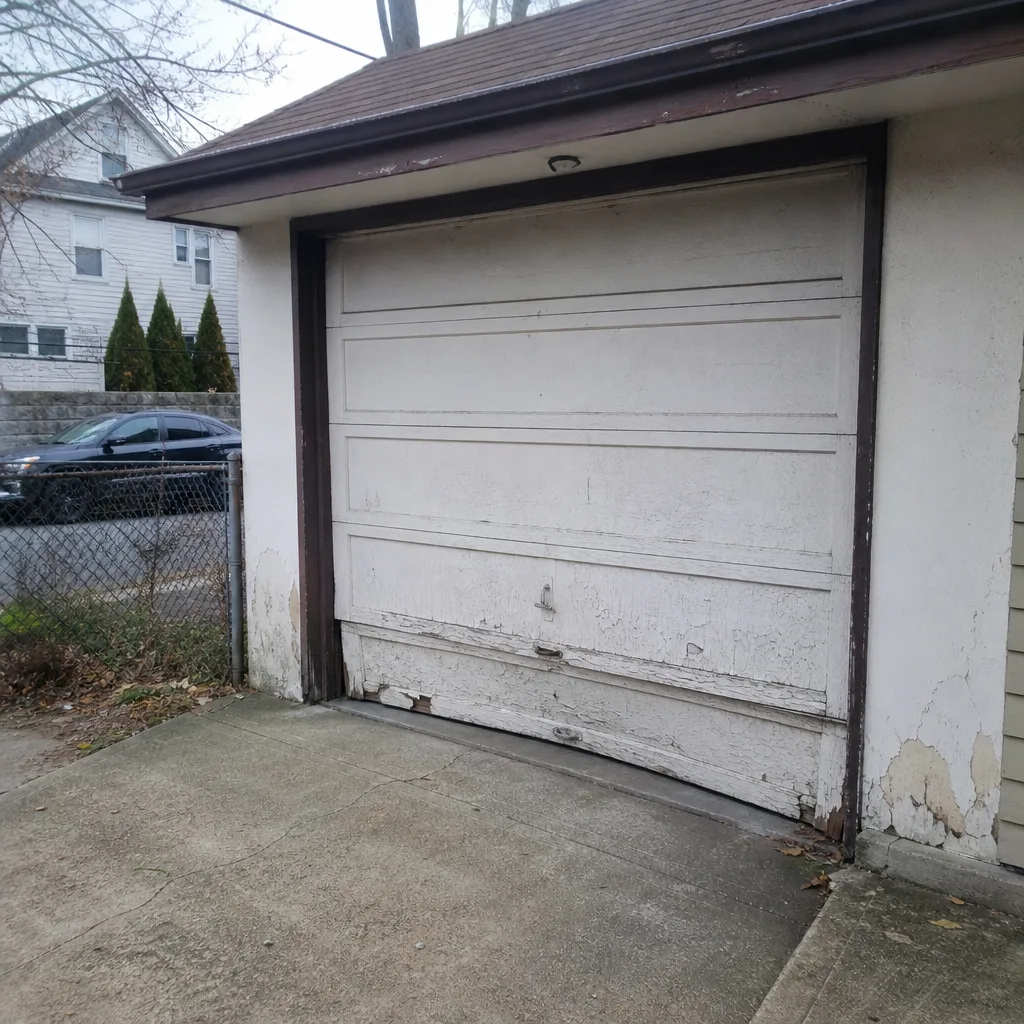 Before
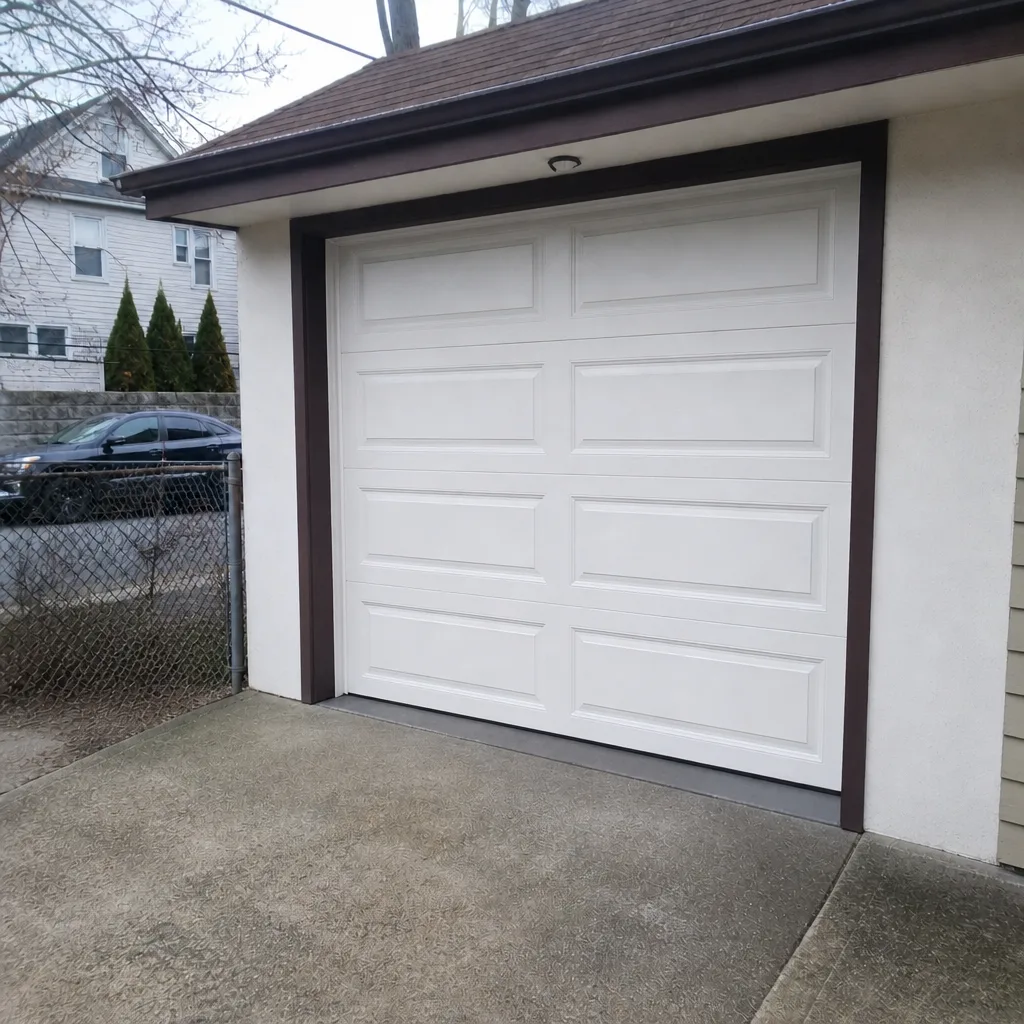 After
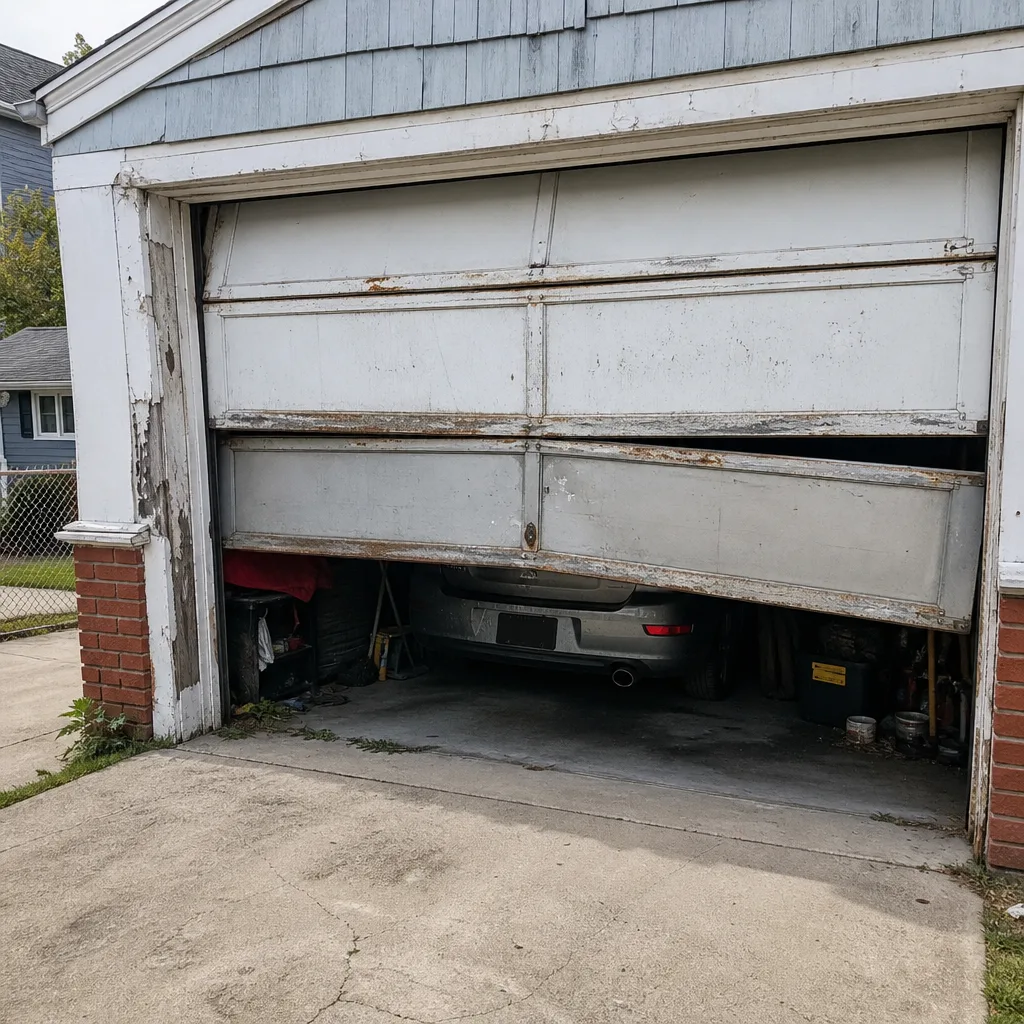 Before
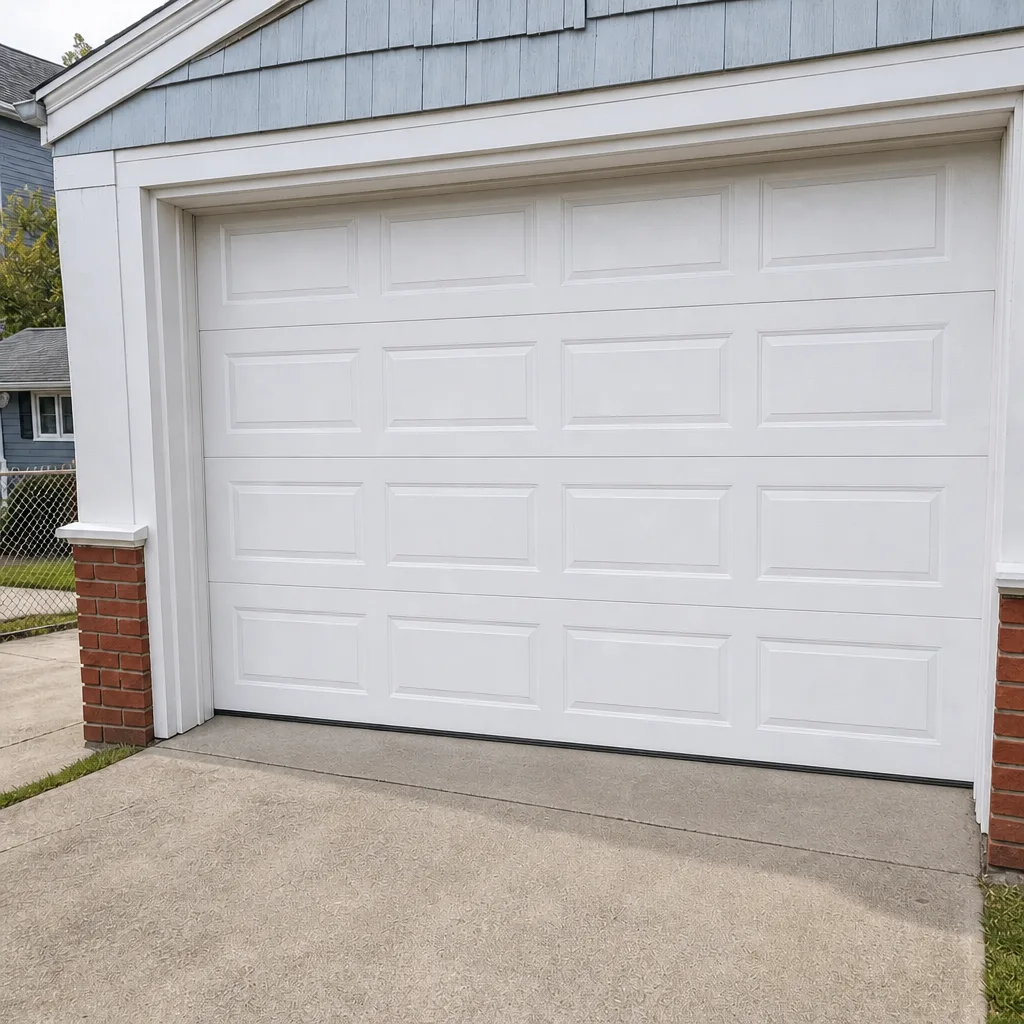 After