Last updated November 21, 2026
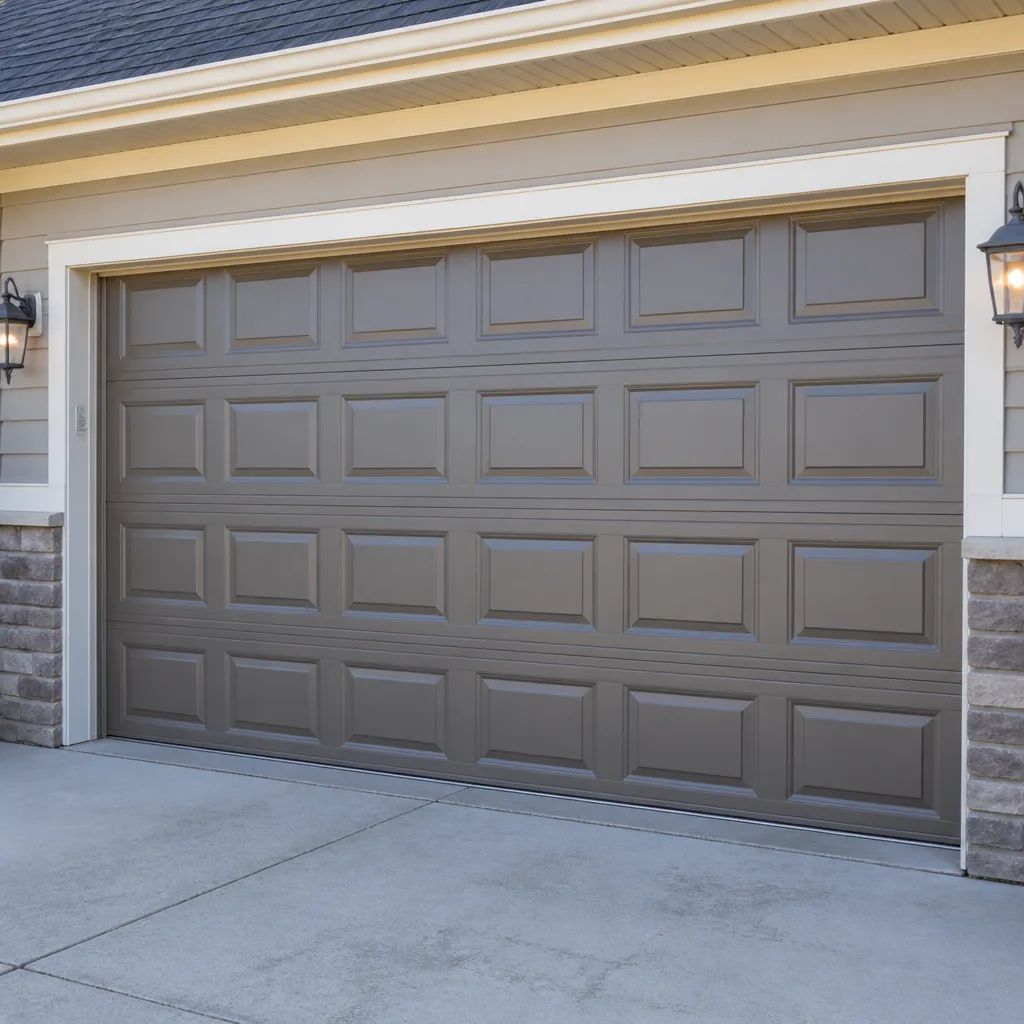 Raised-panel steel
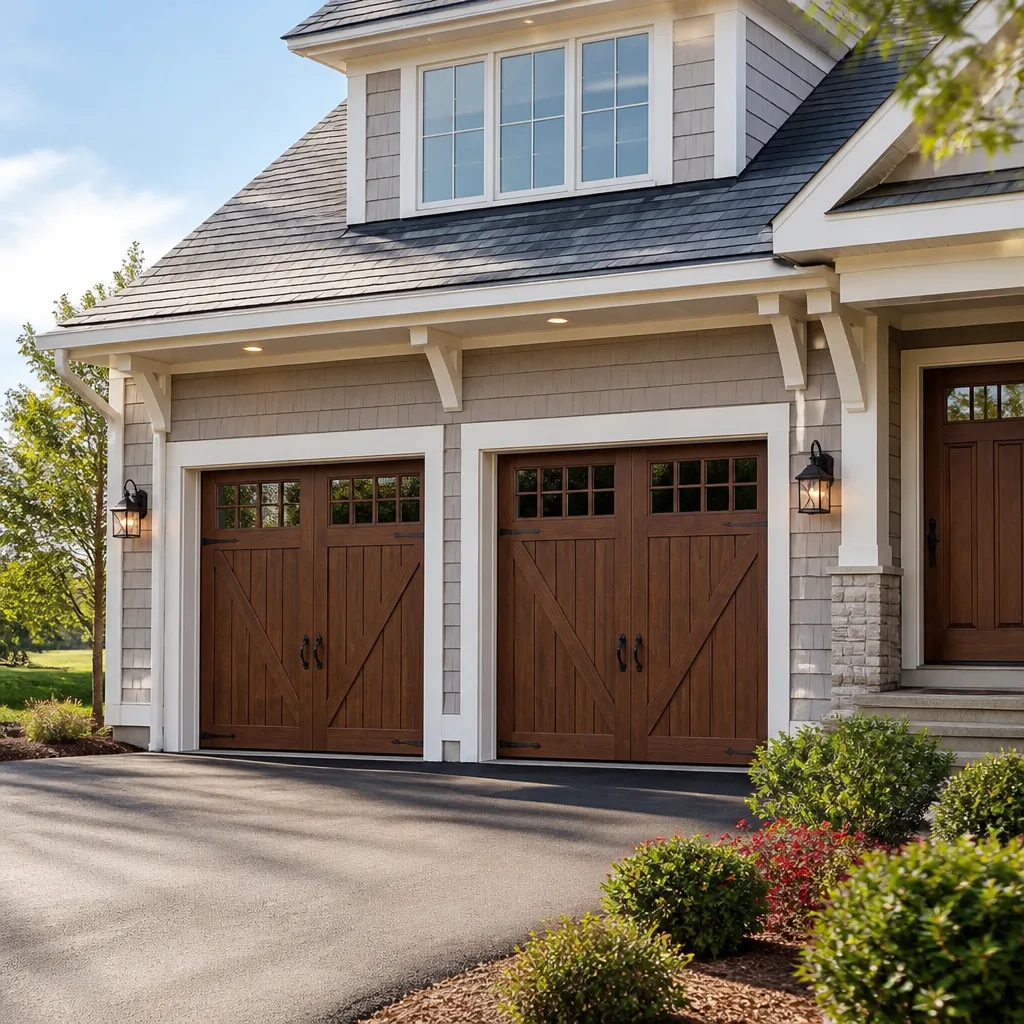 Carriage house
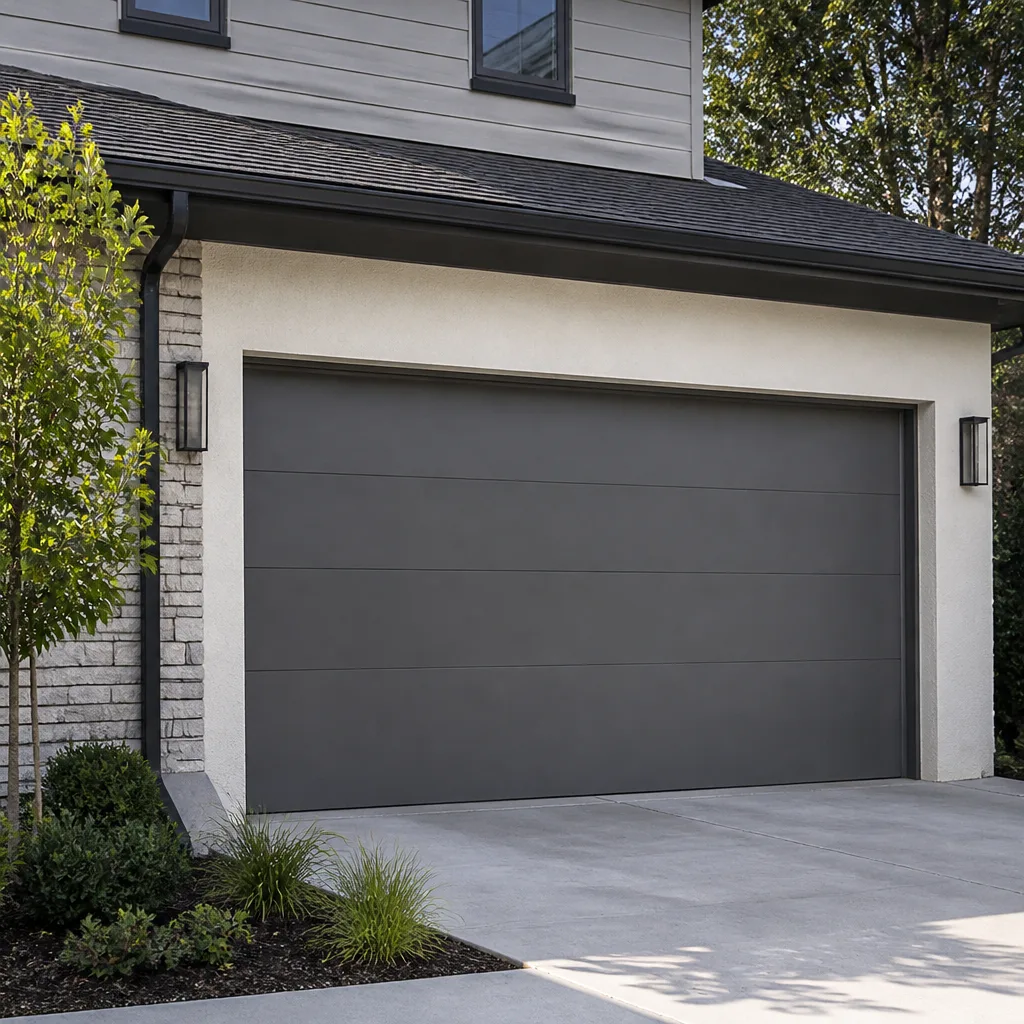 Modern flush
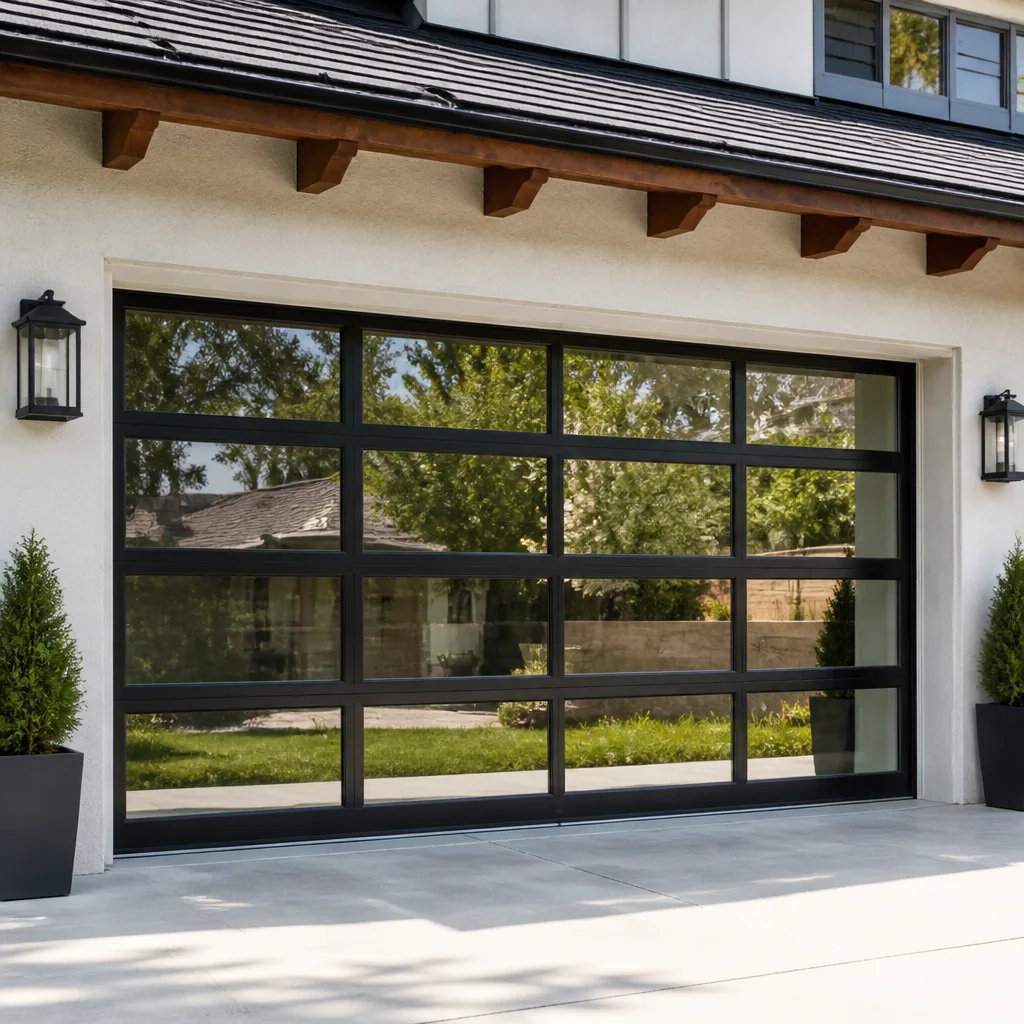 Full-view glass
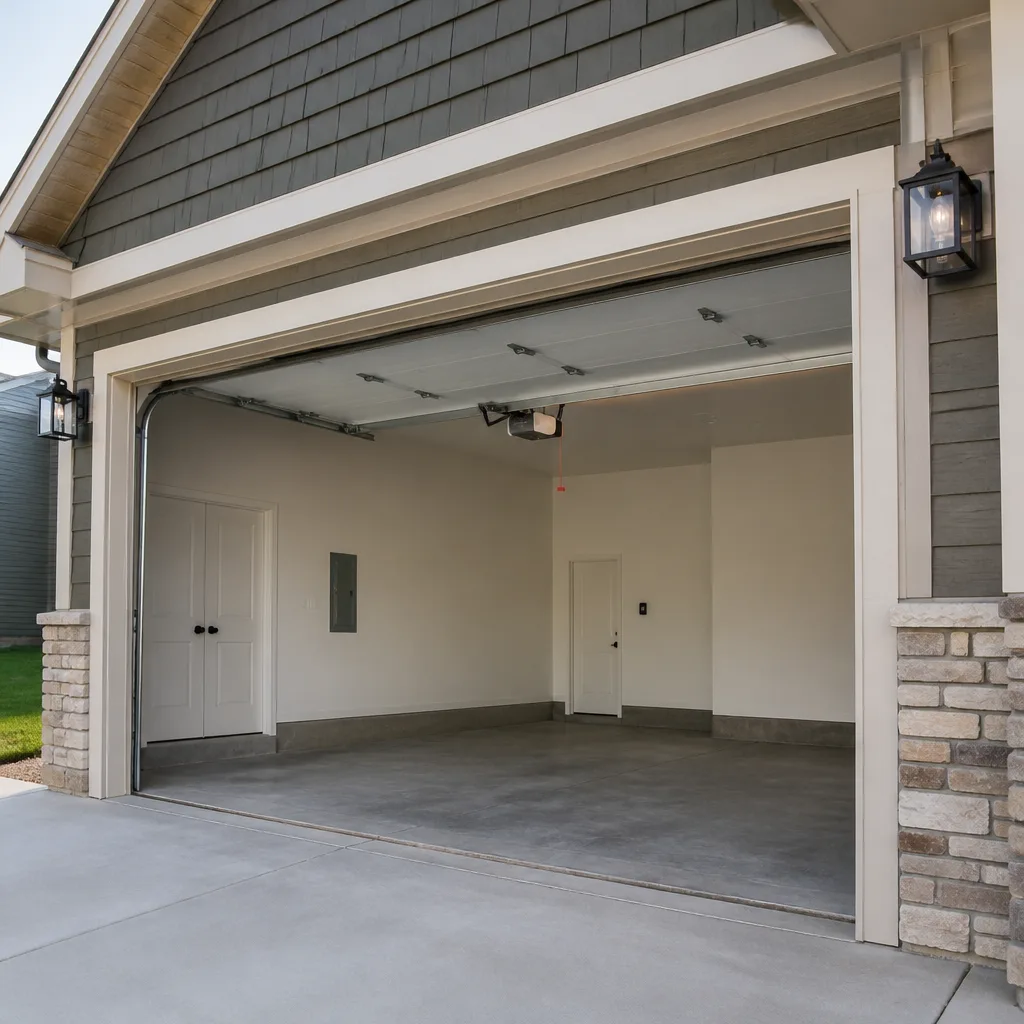 LiftMaster openers
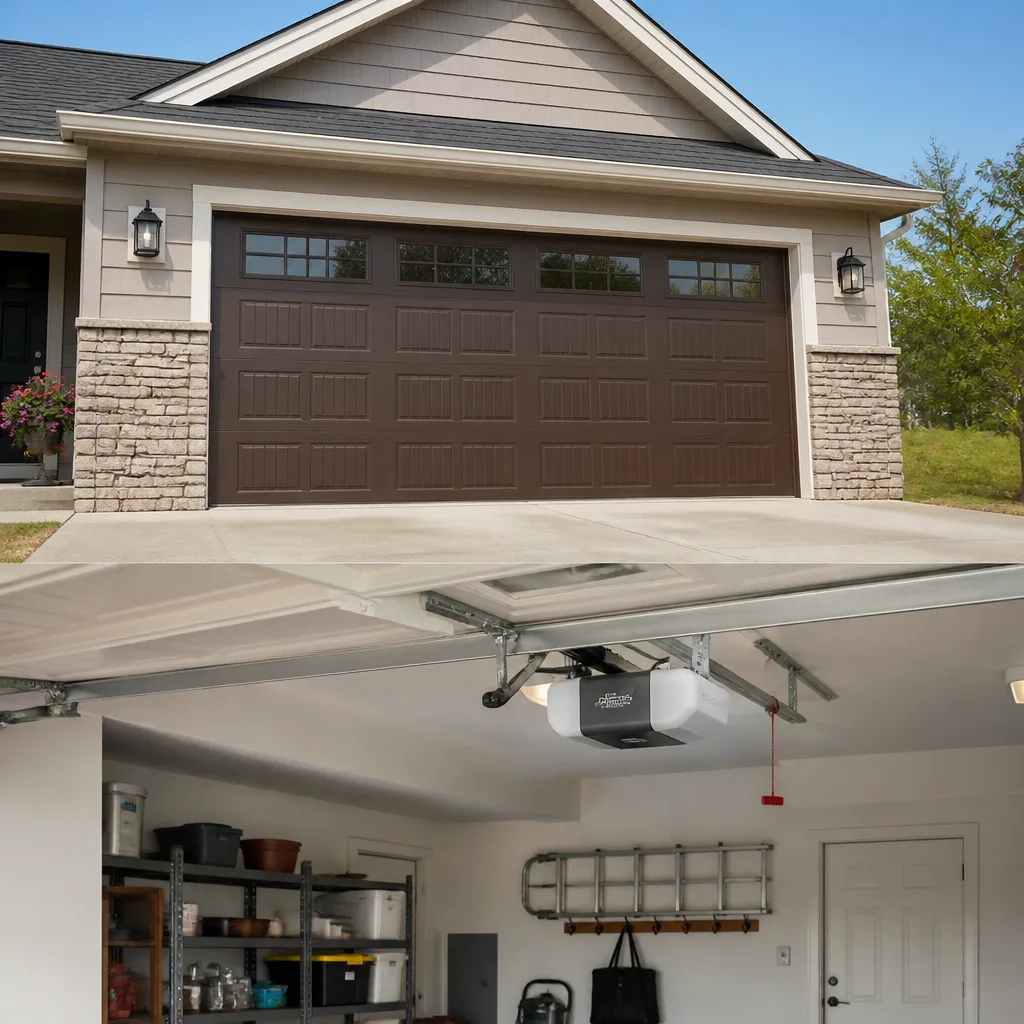 Chamberlain openers
Full 25-point door and opener safety check with every visit - springs, cables, rollers, tracks, and your LiftMaster or Chamberlain opener included
You get a price before we start. It does not change when the pro arrives.
Get your free estimateGarage Door Permits, Codes & Inspections in Paterson, NJ: What You Need to Know
Most of the garage door work that happens in Paterson on any given week needs no permit at all. A snapped spring, a dead opener, a bent bottom panel: those are repairs, and repairs don’t go through the building department. The confusion starts with replacement, and it gets sharper when a door is enlarged, a header is altered, or an opener is added to a door that never had one. Those jobs cross a line, and the line isn’t always obvious. This guide draws it clearly. You’ll learn which garage door jobs trigger a permit under New Jersey’s Uniform Construction Code, how Paterson’s process actually works for a standard replacement, and why the paperwork matters most at resale.
Quick Answer
In Paterson, replacing a garage door in the same opening, same size, same material, generally does not require a building permit, but structural changes, enlarging or relocating the opening, adding an opener to a door that never had one, and any work affecting fire separation on an attached garage usually do. When in doubt, ask the Paterson building department before work starts, because unpermitted garage work often surfaces during a title search at sale. The written estimate sets the final price for any job, permitted or not.
Styles & brands we work with
- Raised-panel steel
- Carriage house
- Modern flush
- Full-view glass
- LiftMaster openers
- Chamberlain openers
Table of Contents
- Which Garage Door Jobs Need a Permit in New Jersey?
- How the Paterson Permit Process Works
- What “Like-for-Like Replacement” Really Means
- Fire Separation and Attached Garages in NJ
- How Unpermitted Work Shows Up at Sale
- What a Garage Door Inspection Covers
- What Permit and Inspection Costs Look Like
- Why Paterson’s Housing Stock Changes the Answer
Which Garage Door Jobs Need a Permit in New Jersey?
New Jersey regulates construction through the Uniform Construction Code, which is administered locally by each municipality’s construction office. The code divides work into building, electrical, plumbing, fire and elevator subcodes. Garage door work almost always touches either the building subcode or the electrical subcode, depending on what’s being done.
Here’s the practical split we walk homeowners through on nearly every replacement estimate:
- No permit typically required: spring replacement, cable replacement, roller and hinge replacement, panel replacement where the opening isn’t altered, opener motor replacement in kind, remote and keypad programming, weatherstripping, and general garage door repair that restores the door to how it already operated.
- Permit typically required: cutting or enlarging an opening, replacing a header, changing the size or configuration of the door, converting a manual door to an opener-driven door where wiring is added, and any work affecting the fire separation between an attached garage and the living space.
That last item is where a lot of Paterson homeowners get surprised. A garage door on an attached garage is part of a rated assembly, and moving, resizing or re-specifying that assembly is a code question, not just a carpentry question.
One more distinction worth stating plainly: an opener replacement where the existing wiring and outlet stay put is a swap, not an electrical alteration. A new circuit, a new outlet, or a hardwired opener in a garage that never had one is electrical work, and electrical work runs through the electrical subcode. If your opener is failing but the wiring is sound, that’s the fast lane. Take a look at garage door opener repair before assuming you need anything structural.
How the Paterson Permit Process Works
Paterson has its own construction office, and it handles permits, plan review and inspections for work inside the city. The exact forms, fees and turnaround change from time to time, so the reliable move is to call the building department directly and describe the job in plain terms. “I’m replacing my garage door with the same size door in the same opening” gets a different answer than “I’m widening the opening by two feet.”
For a job that does need a permit, the sequence usually looks like this:
- Describe the scope accurately. Tell the construction office the door size, the opening size, whether the opening is being changed, and whether an opener or new wiring is involved. Vague descriptions cause delays on the back end.
- Submit the application and any required plans. A straight replacement may need little more than the application and product specs. A structural change will need drawings.
- Pay the fee and wait for issuance. Permit fees in New Jersey are generally calculated from the value or scope of the work. Expect a modest fee for a routine door job and a larger one for structural work.
- Do the work, then call for inspection. Inspections typically happen at defined stages. For a door replacement, it’s often a single final inspection.
- Keep the signed-off permit. This is the document that protects you later. Store it with your closing paperwork, not in a drawer you’ll forget.
One practical note about Paterson’s housing: much of the city’s detached and semi-detached housing stock has tight driveways and older garages built to dimensions that don’t match modern standard door sizes. When a homeowner wants a modern door in an old opening, the honest answer is often “that’s a permit job,” not because the door is complicated, but because the opening has to change. Say so up front and the process stays boring, which is exactly what you want from a permit.
What “Like-for-Like Replacement” Really Means
Like-for-like is the phrase that keeps a replacement permit-free. It means the new door matches the old one in the ways the code cares about: the same opening dimensions, the same general configuration, the same function, and no change to framing or structure. Product specifications that aren’t covered by permit, such as brand, color, panel style, insulation and window pattern, can change freely. If you’re moving from a plain Wayne Dalton door to a windowed Clopay in the same opening, that’s usually still like-for-like.
Where the protection ends:
- The opening changes. Even an inch of widening or heightening takes you out of like-for-like.
- The structural support changes. Replacing or reinforcing a header is structural work.
- The function changes. Manual to powered, single to double, or a different track and hardware layout.
- The rated assembly changes. Fire separation for attached garages is treated as a code requirement, not a door feature.
We see one more case fairly often: a homeowner replaces a door themselves, does a fine job on the installation, and then discovers at listing that the permit file shows nothing. The installation isn’t the problem. The paper trail is. Getting a permit at the start costs far less hassle than opening a permit retroactively on work that’s already finished.
Fire Separation and Attached Garages in NJ
An attached garage shares a wall and often a ceiling with the house. The code expects a fire-rated separation between a garage and the living space, and the door and hardware play into that. In practice this means the opening between the garage and the house, the wall assembly around it, and any door and framing in that wall all have to maintain the rating.
Where this shows up in garage door work is more indirect than people expect. If you’re replacing a garage door on an attached garage, the garage door itself is usually not the rated separation element. But if the project involves opening up a wall, moving an entry door between the garage and house, or altering the ceiling, the fire separation becomes part of the scope, and it’s a code item. That’s the point where a straightforward replacement turns into a permit job.
For safety, we always flag one thing regardless of permits: a garage door is a heavy moving assembly held up by springs under high tension, and the springs and cables are genuinely dangerous. garage door spring repair is not a homeowner task, however handy you are. That’s what a trained technician is for, and it’s a big part of why we carry up to 14 years of experience in this trade.
How Unpermitted Work Shows Up at Sale
A title search doesn’t inspect your garage. It pulls the municipal record. When a buyer’s attorney or a title company requests the certificate of occupancy history and open permits, unpermitted work that required a permit and never got one can show up as an open item, or as a mismatch between the record and the physical state of the property. Depending on the municipality, that can delay a closing, trigger a re-inspection, require retroactive permits and, in some cases, correction work.
The remediate path usually looks like this:
- Pull the permit history at the construction office and confirm what’s on record.
- Ask what’s needed to legalize the work: retroactive permit, inspection, or both.
- Schedule the inspection. A licensed tradesperson may need to sign off on structural or electrical elements.
- Correct anything the inspector flags. Usually this is small, but it can involve the door and hardware if they don’t match the approved scope.
- Get the closed permit filed with your property documents.
None of that is catastrophic. It’s just slow, and slow at the wrong moment. We tell Paterson homeowners the same thing every time: if you’re not sure whether your job is permit-required, ask the construction office, and if the answer is “no permit needed,” get it in writing. If you’re still choosing a door, the brand question and the permit question are separate, so don’t let a Clopay versus Amarr conversation distract you from it.
What a Garage Door Inspection Covers
An inspection for a permitted install is one thing. A safety inspection of an existing door is another, and the second is worth doing periodically regardless of permits. We check the same items on both, because the standard is the same:
- Springs and cables. Tension, wear, fraying, and any sign of a failing torsion spring.
- Balance. The door should hold its position when stopped midway. A door that drops on its own is telling you something.
- Hardware. Rollers, hinges, brackets, and fasteners that have backed out.
- The opener’s safety reversing system. The photo-eye or equivalent should stop the door when the beam is broken. This is the safety feature people skip.
- Force settings. The opener must reverse on contact, not just on the beam.
- Weather seal and bottom seal. Gaps at the floor let in water and, in Paterson’s cold winters, ice.
If you’ve got a Craftsman opener that’s been in place a while, force settings and safety-reversing behavior are worth checking even without a repair on the calendar. It takes minutes.
What Permit and Inspection Costs Look Like
Permit fees in New Jersey municipalities are typically tied to the value or scope of the work, and Paterson is no different. We can’t quote an official permit fee because the construction office sets it, but we can tell you the ranges homeowners see for the work itself. Every number below is an estimate. The written estimate you get after we look at the job sets the final price.
| Job | Typical estimated range | Permit usually involved? |
|---|---|---|
| One torsion spring replacement | $180 – $340 | No |
| Matched pair of springs (both replaced together) | About twice the single-spring estimate | No |
| Opener replacement, existing wiring in place | $250 – $450 | No |
| Standard door replacement, same opening | $900 – $2,400 | Usually no |
| Enlarging the opening or altering the header | Varies with the structural scope; estimate after inspection | Yes, typically building |
| Adding an opener where wiring must be added | Door/opener estimate plus electrical scope | Yes, typically electrical |
If a permitted job is in your future, ask the construction office about the fee schedule at the same time you ask whether the permit is required. It’s one phone call either way.
Why Paterson’s Housing Stock Changes the Answer
Paterson is a dense, varied city. You’ve got older two- and three-family houses, semi-detached homes, and garages that were built to whatever dimensions made sense when they went up. That variety means the “is this a permit job” answer is genuinely property-specific. A 1940s garage with a narrow opening often can’t accept a modern standard-size door without alteration, and alteration is where permits live. A newer attached garage may accept a direct replacement with no structural involvement at all.
Add the local weather. Paterson gets freezing winters, which is hard on bottom seals, hinges and the spring tension over time. Ice at the floor can throw a door off balance, and that imbalance is what leads to premature spring failure. Ice also makes a door stick, and a sticky door with a failing spring is a bad combination. None of that triggers a permit, but it does explain why Paterson Garage Door Repair Co gets a lot of spring calls in the cold months.
The other local factor is the driveway. Tight driveways and low-clearance garages are common, and with a low ceiling, an opener has to fit a specific profile. If the opener is the thing that’s failing, a lift-height problem can make it seem like a motor problem when it isn’t. That’s one of the reasons we keep up with the major brands. When we’re called to a Genie or a LiftMaster or a Chamberlain that’s acting up, we know the model before we arrive.
Common Mistakes to Avoid
- Assuming all repairs need a permit. They usually don’t. Springs, cables, rollers and in-kind opener swaps are repair work. Getting a permit for a spring replacement wastes time and money.
- Assuming all replacements are permit-free. The opposite mistake, and the costlier one. Any change to the opening or the structure is a code question.
- Getting the “no permit needed” answer verbally only. Write down who you spoke to, when, and what they said. At sale time the record matters more than the recollection.
- Letting a permit get opened and never closed. An open permit on the record is worse than no permit, because it flags the property as unfinished work. Close it out and keep the signoff.
- Confusing style changes with structural changes. Changing the door’s color, panel design or window pattern in the same opening is not a permit trigger. Changing the size is.
- Skipping the safety-reversing check after an opener install. A newly installed opener with a misaligned photo-eye will fail an inspection and, more importantly, is a hazard.
- Treating an attached garage as if the wall between it and the house is regular interior wall. Fire separation is a code consideration, and any project that touches it deserves a conversation with the construction office.
See the difference
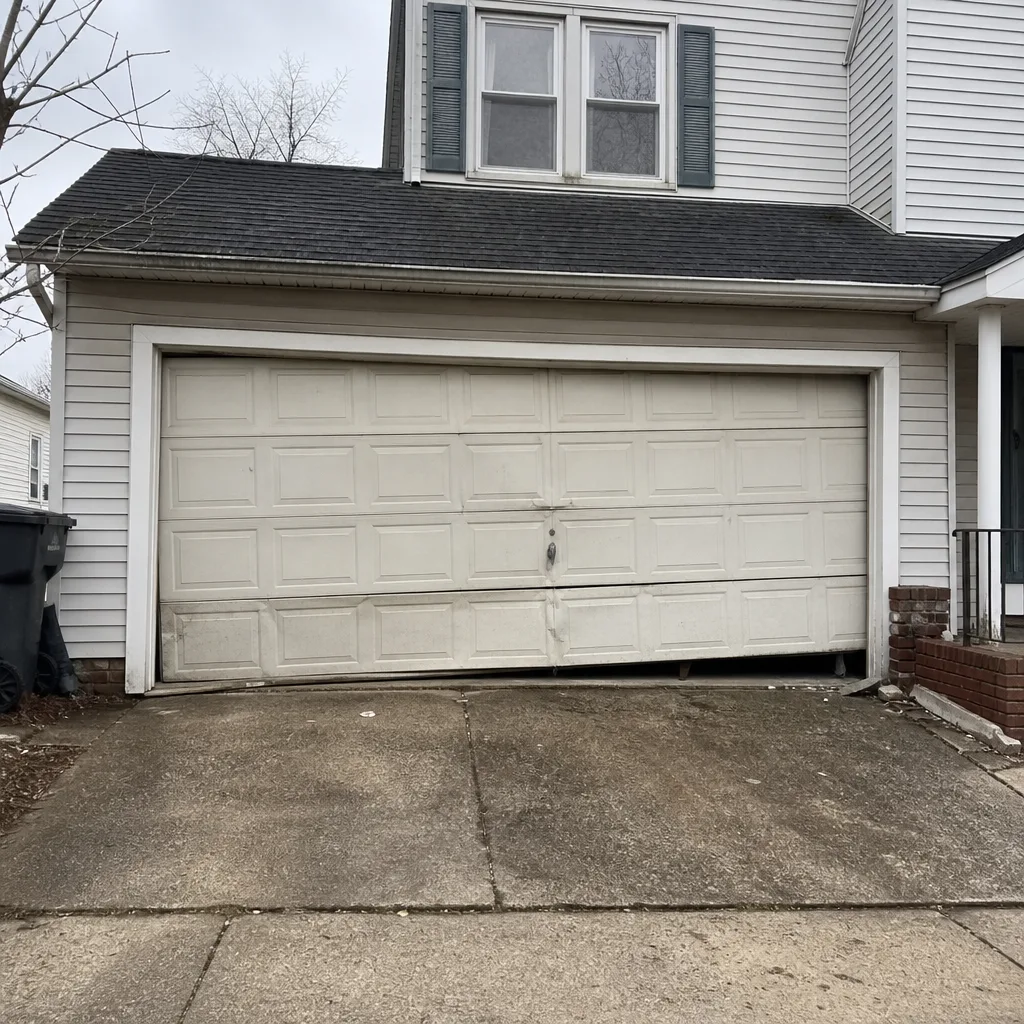 Before
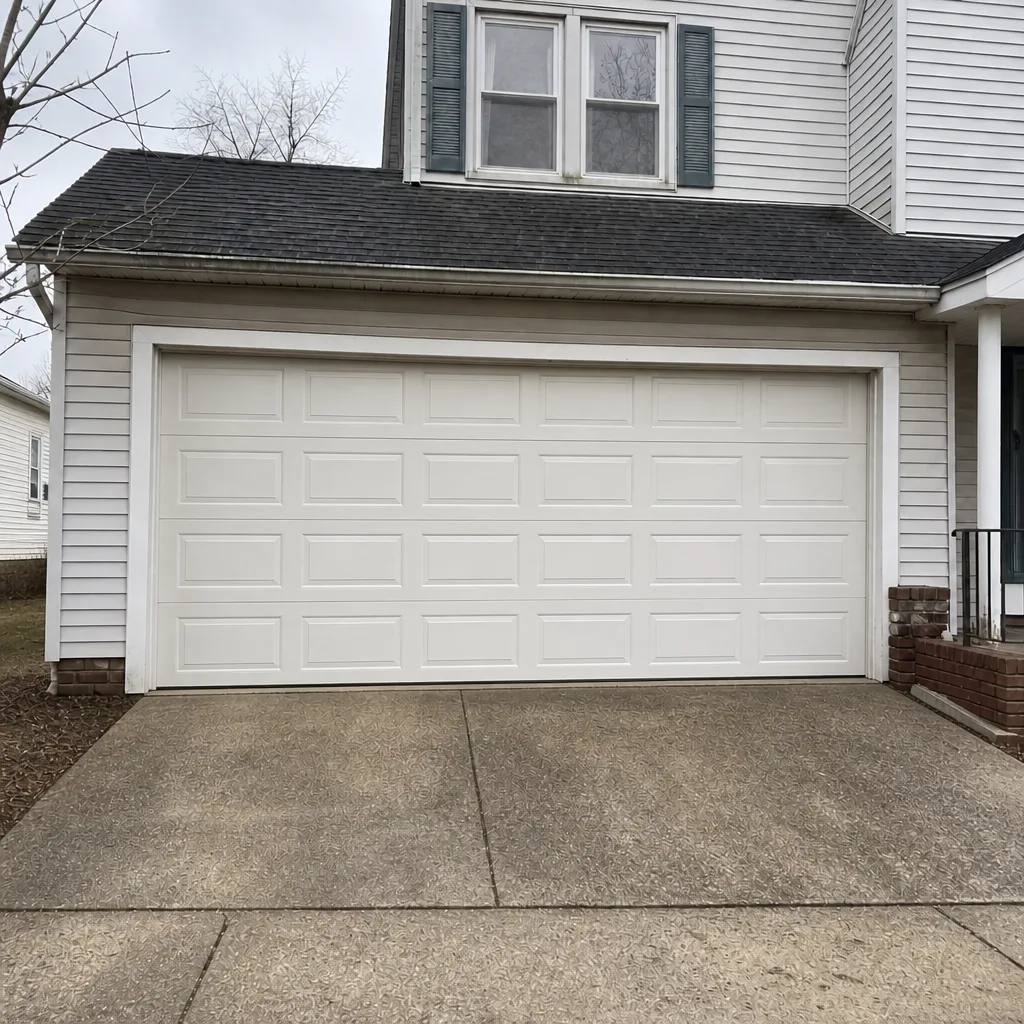 After
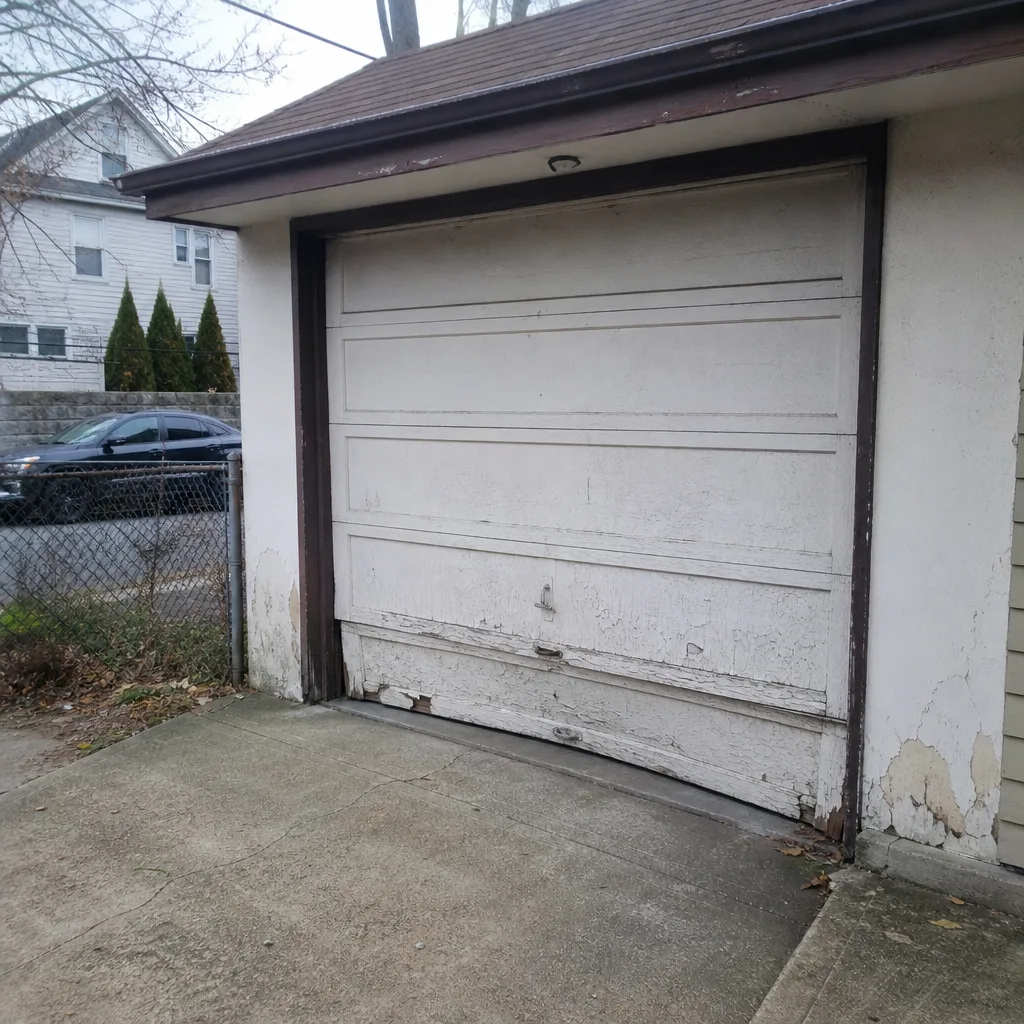 Before
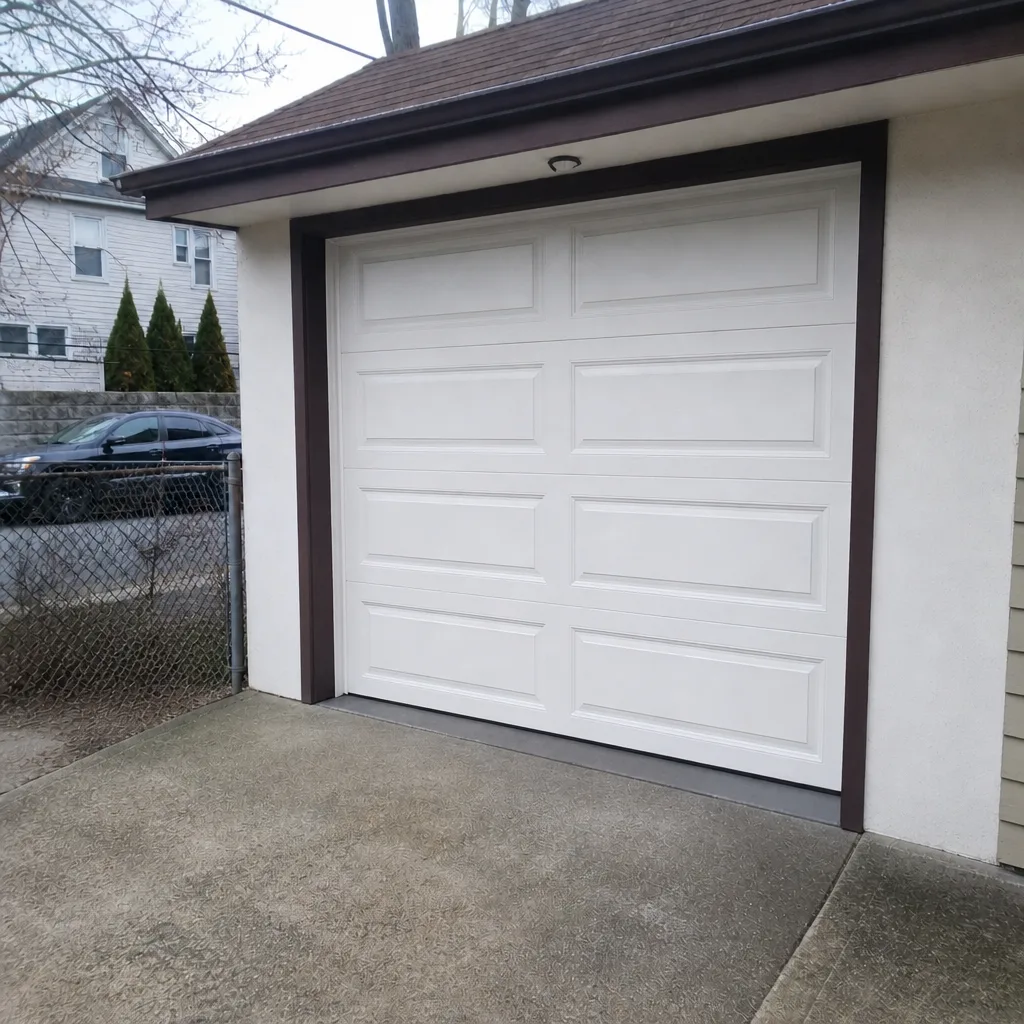 After
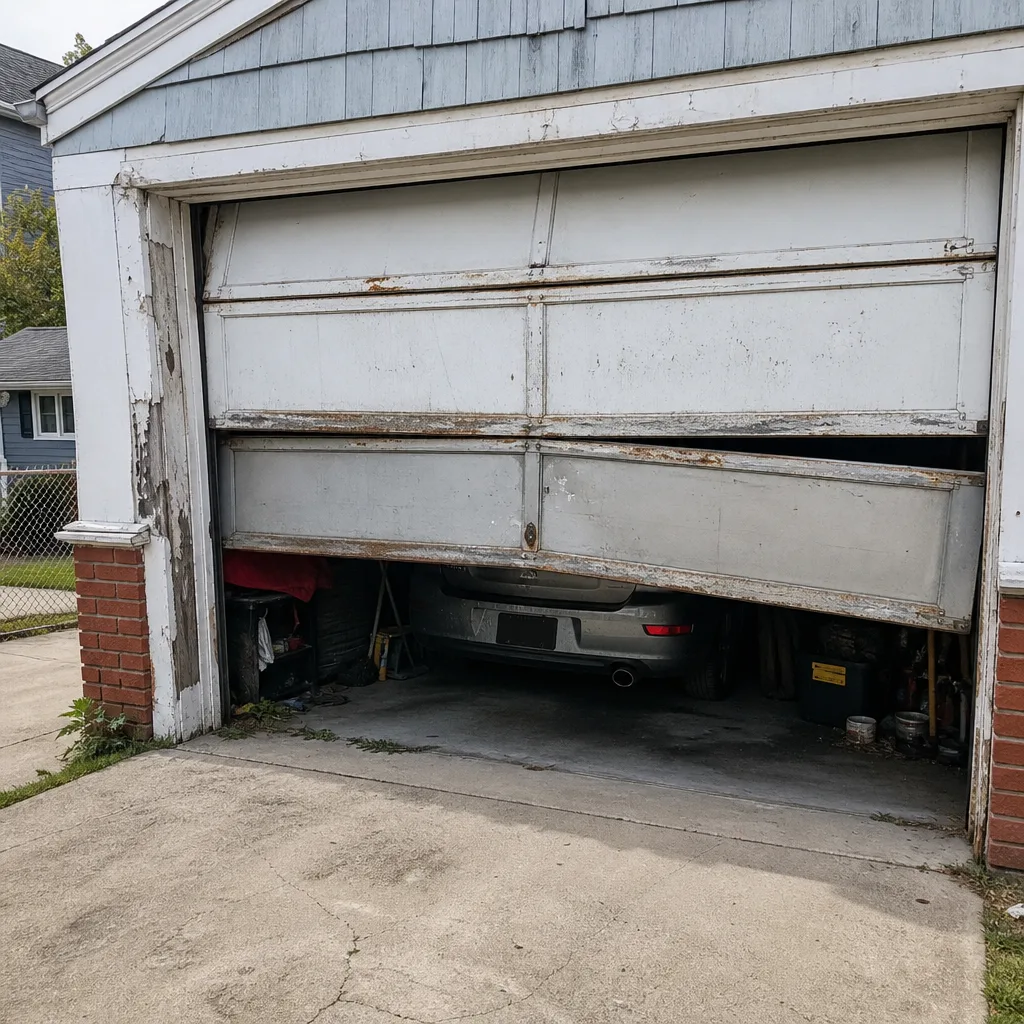 Before
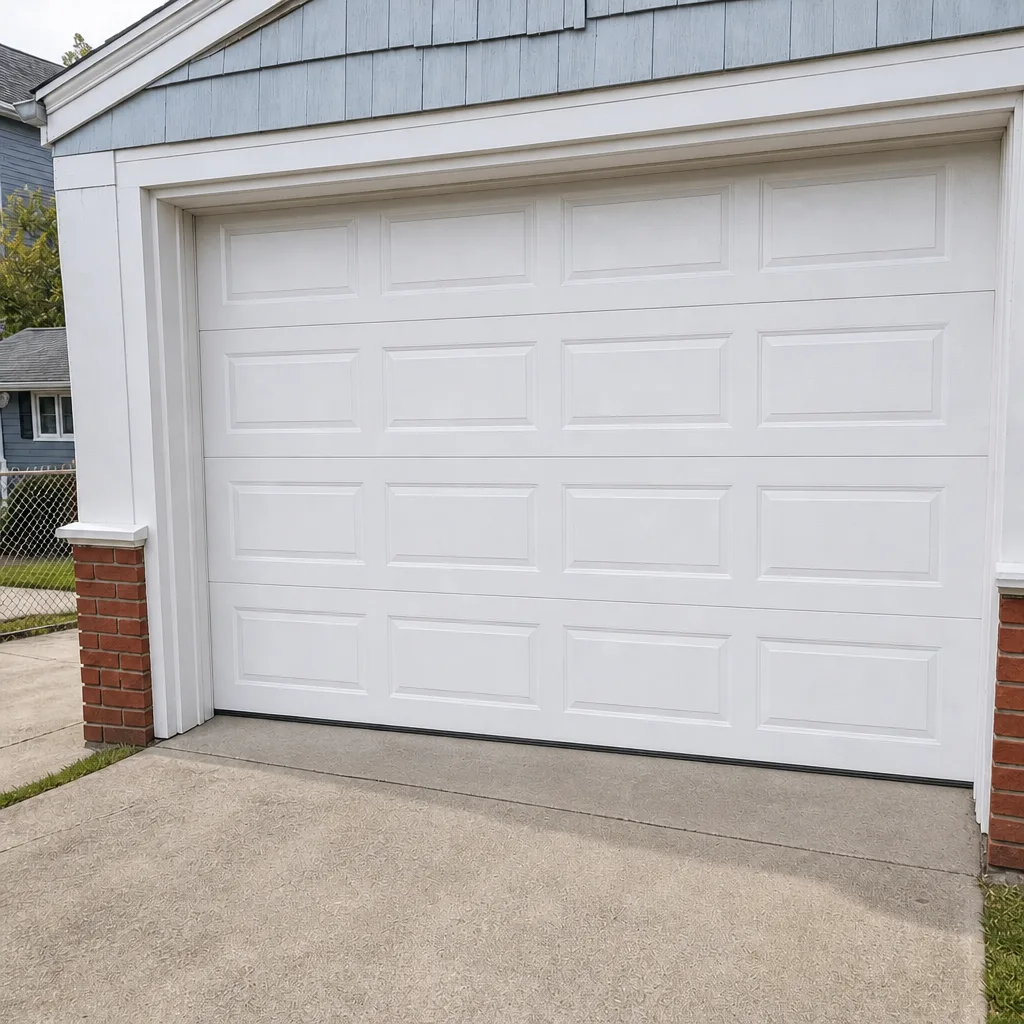 After
When to Call a Professional
Call a technician when the door won’t move, when a spring has visibly failed, when the opener runs but the door doesn’t, when the door is off its track, or when a cable has slipped. Also call when the door is balanced badly enough that it drops on its own. Any of those could be a safety issue, and spring and cable work in particular is not something to take on yourself. The springs hold the door’s full weight under tension, and an amateur attempt can cause serious injury.
If your job is a replacement and you’re unsure whether it needs a permit, get the permit question answered first, then get the door measured. We handle both door and opener. One call covers the door and the opener. That’s usually the simplest path. Paterson Garage Door Repair Co offers free estimates in Paterson. Call (844) 553-2327.
Frequently Asked Questions
Usually not, if the new door fits the same opening at the same size and function. If the opening is being enlarged, the header is being altered, or wiring is being added for a new opener, a permit is typically required. The written estimate we provide sets the final price, and we’ll flag any permit question before work starts. Call (844) 553-2327 for a free estimate.
No. Spring replacement is repair work and doesn’t go through the building department. It is also the most dangerous repair in this trade, so it should be done by a trained technician, not a homeowner. Call (844) 553-2327 and we’ll look at it and give you a written price before touching anything.
Check the permit history with the Paterson construction office and look at what’s on record for your property. Unpermitted work that required a permit may only turn up when a buyer’s title search pulls the record. If you’re unsure, a call to the building department is the cleanest way to find out. Call (844) 553-2327 if you also want the door itself checked.
It can delay a closing, or require a retroactive permit and inspection before the sale goes through. The work itself is often fine. The paper trail is what’s missing. Getting the permit at the time is cheaper and faster than opening one retroactively. Call (844) 553-2327 for a free estimate on the job itself.
Yes. The code expects a fire-rated separation between an attached garage and the living space, and work that touches that separation can require a permit. The specifics depend on your property. Ask the Paterson construction office before altering that assembly. Call (844) 553-2327 if a door or opener is part of the project.
If the garage already has the outlet and the wiring in place, it’s often just an equipment install. If new wiring or a new circuit is needed, that’s electrical work and typically runs through a permit. That’s why we ask before we quote. Call (844) 553-2327 and we’ll walk through what your garage actually has.
The Bottom Line
The permit question for garage door work has a simple shape. Repairs don’t need one. Straight replacements in the same opening usually don’t either. Structural changes, opening changes, new electrical work, and anything touching fire separation usually do. The line is worth respecting because the paperwork follows the property through every sale, and an open permit or a record mismatch is a problem that costs more to fix than to prevent. In Paterson, the answer varies with the house, so ask the construction office. If you’re not sure where you stand, start with a free estimate and go from there.
Paterson Garage Door Repair Co covers the door and the opener, service the major brands, and handle spring repair as a specialty. Call (844) 553-2327 for a free estimate.
Written by the team at Paterson Garage Door Repair Co.