Last updated November 21, 2026
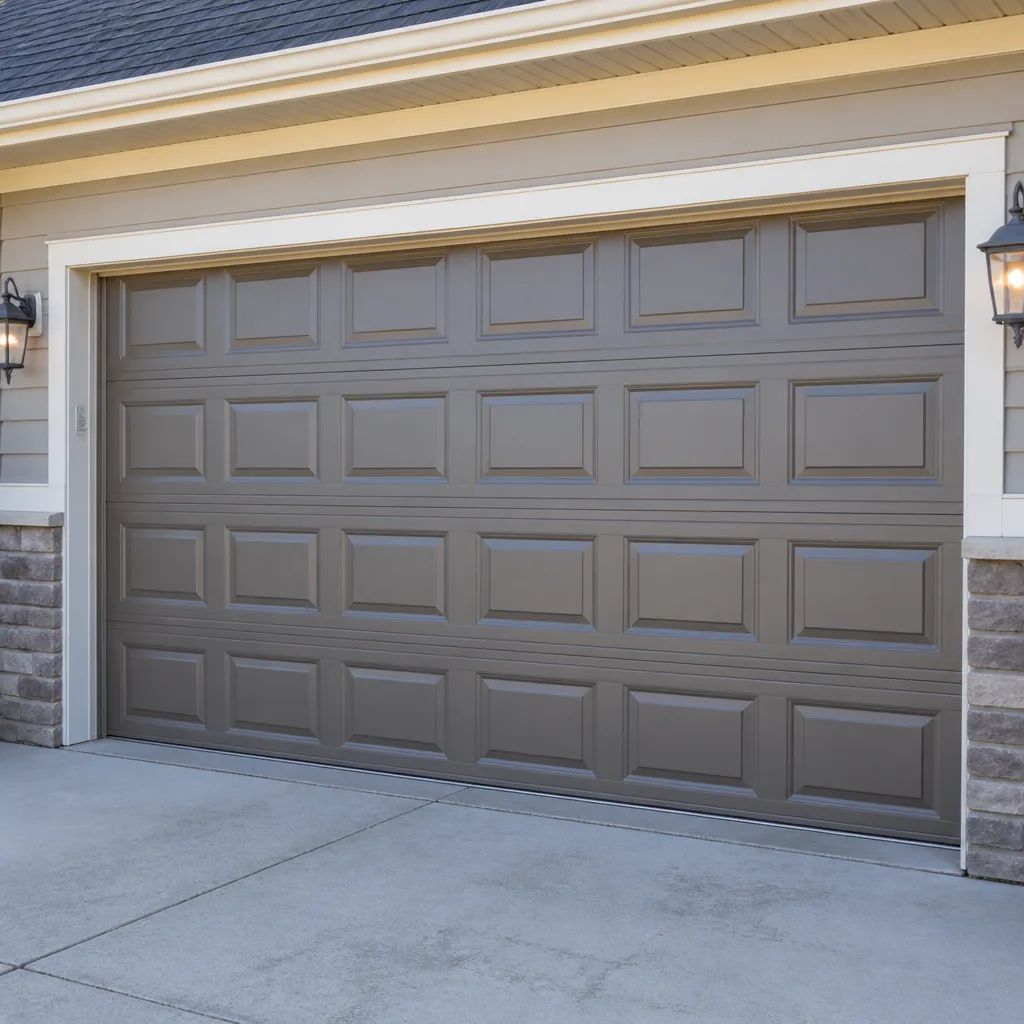 Raised-panel steel
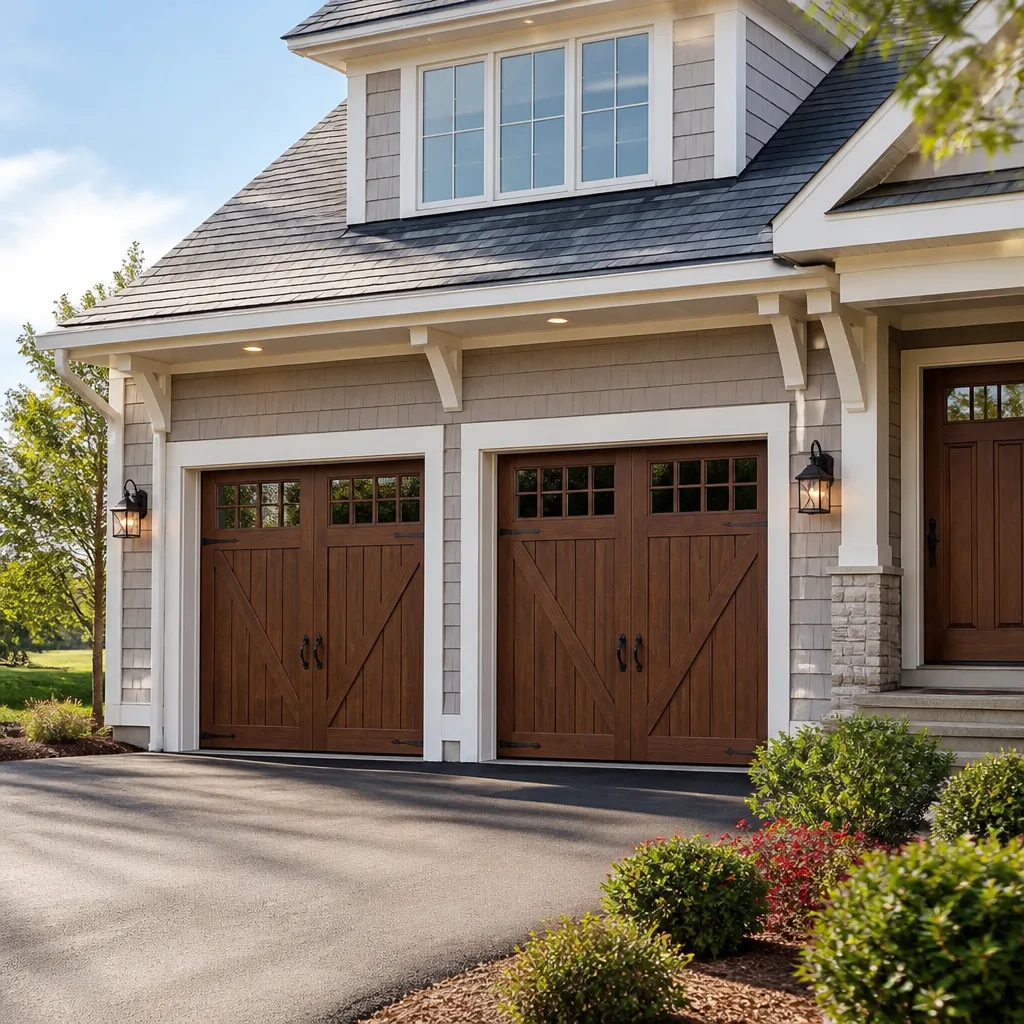 Carriage house
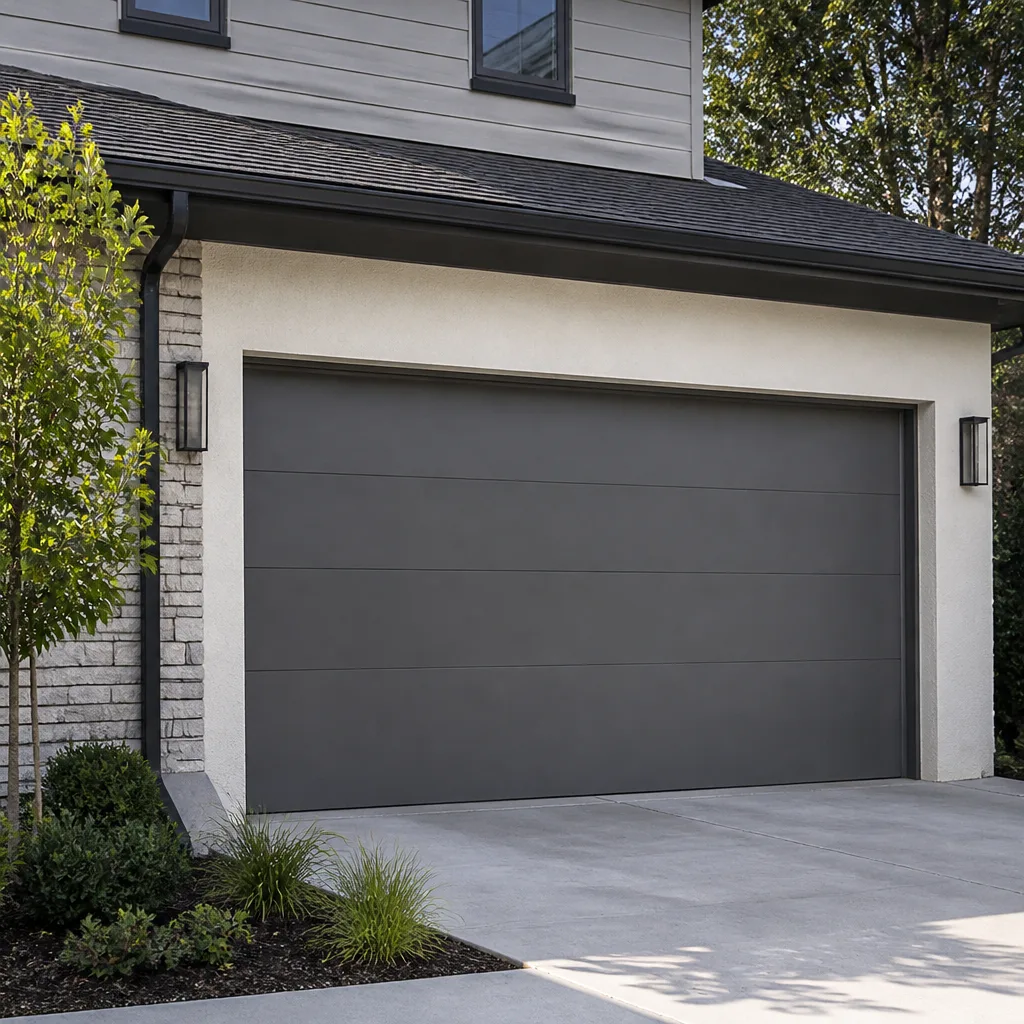 Modern flush
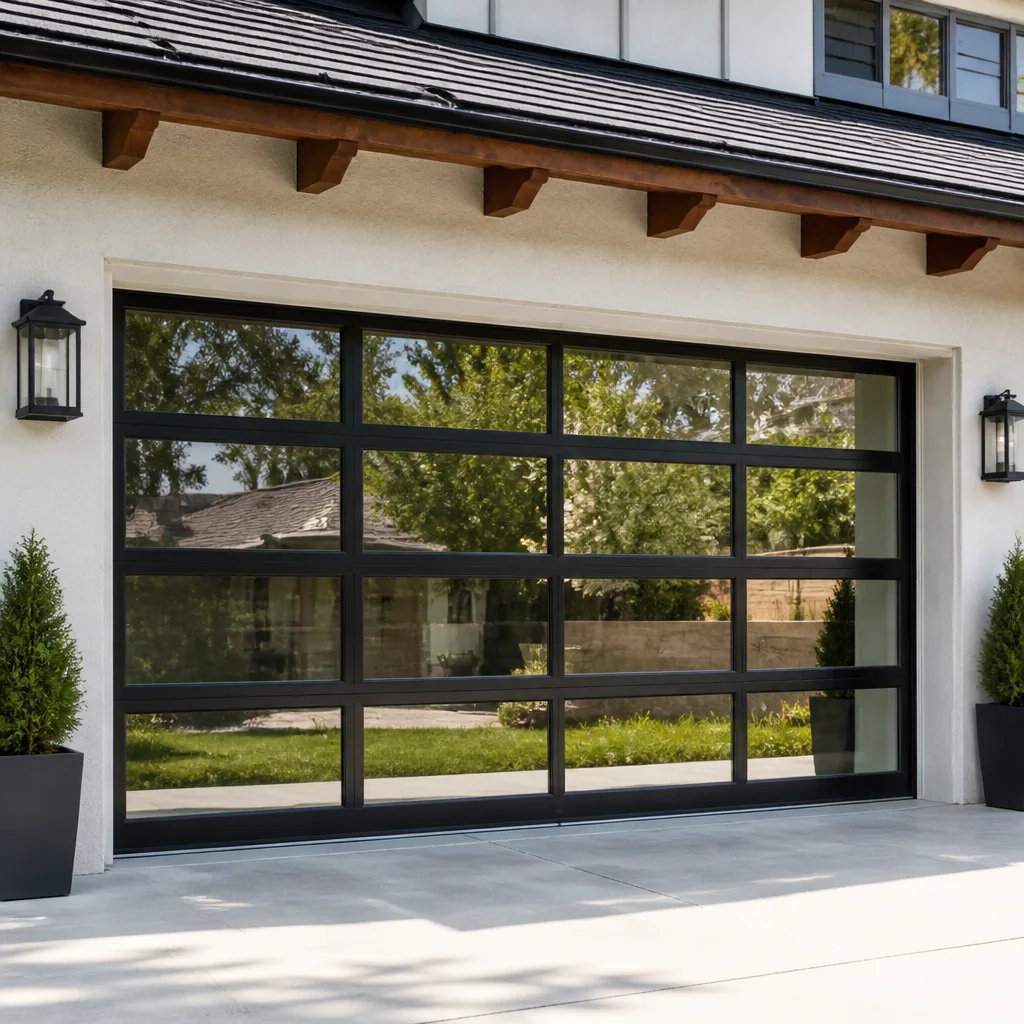 Full-view glass
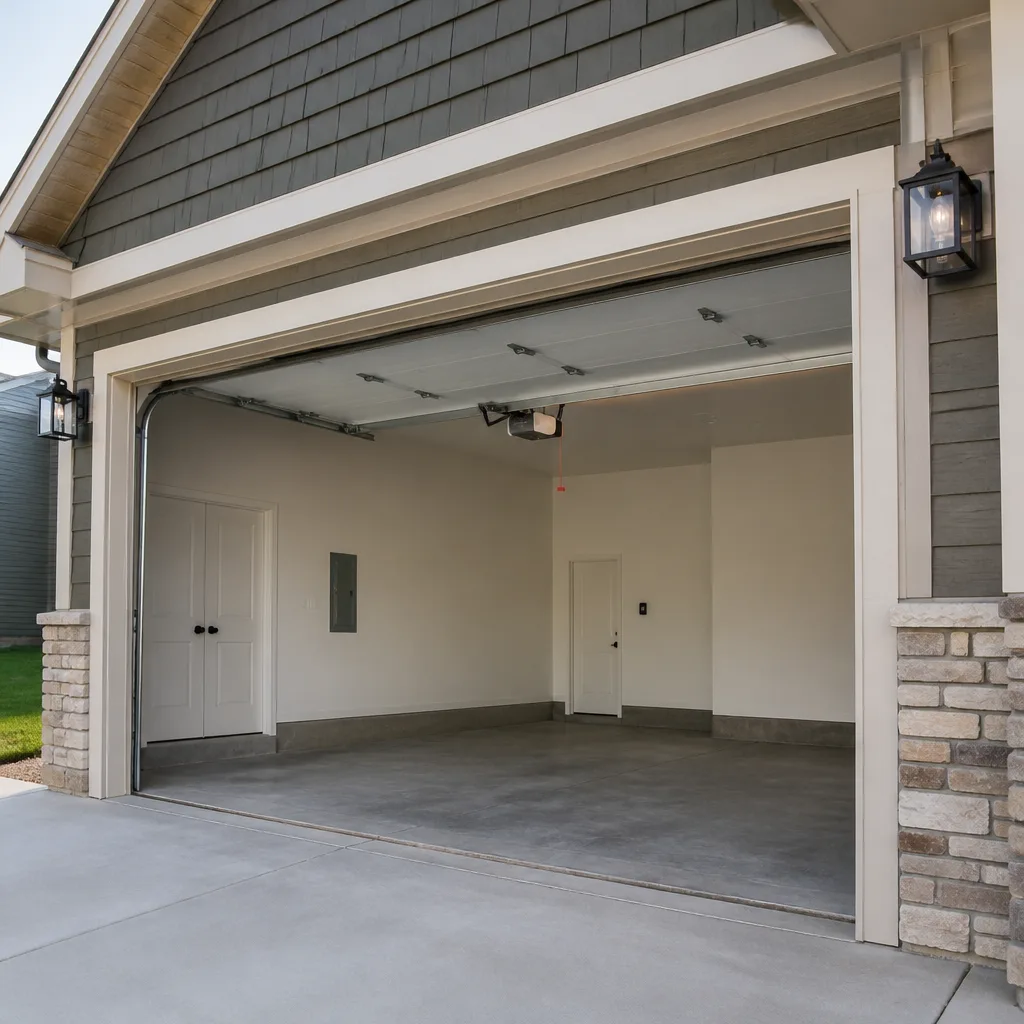 LiftMaster openers
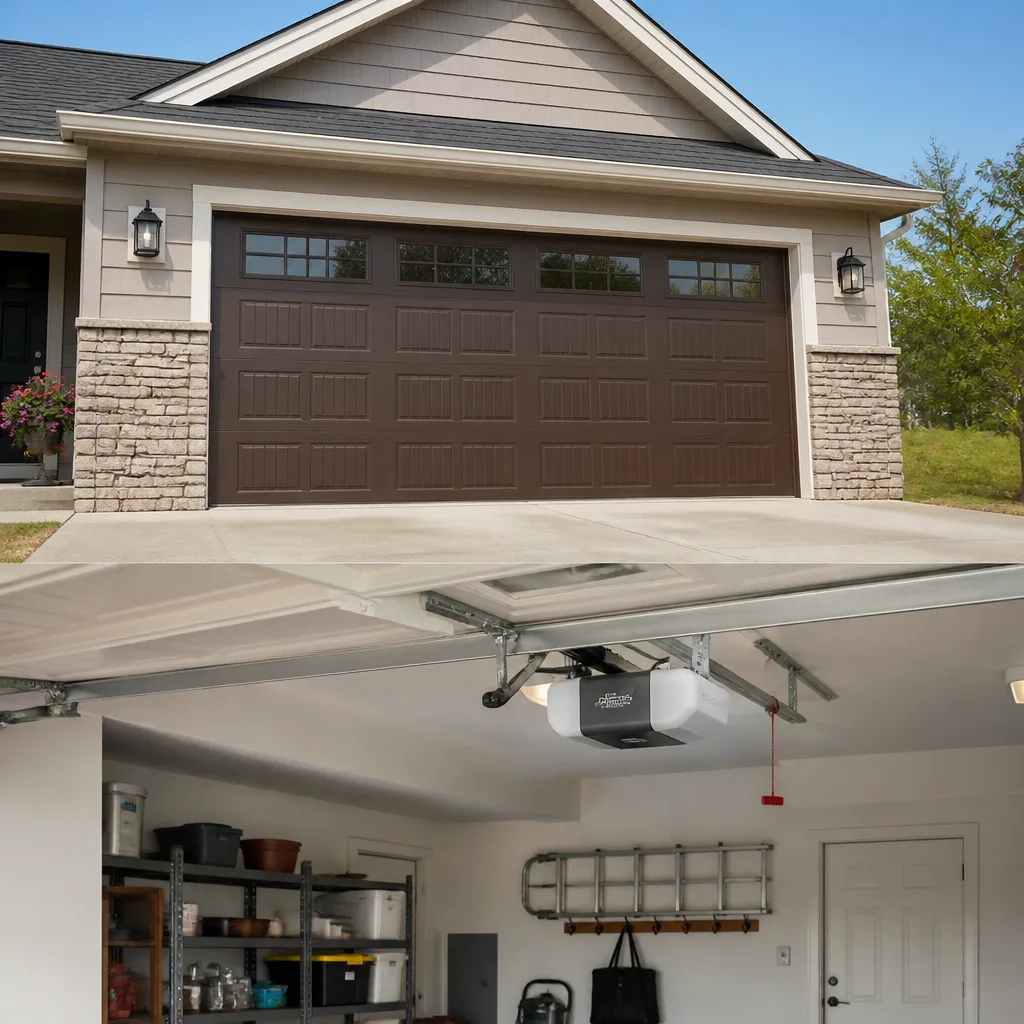 Chamberlain openers
Full 25-point door and opener safety check with every visit - springs, cables, rollers, tracks, and your LiftMaster or Chamberlain opener included
You get a price before we start. It does not change when the pro arrives.
Get your free estimateSeasonal Garage Door Care for Paterson: Year-Round Homeowner’s Guide
February is the worst month for garage door failures in Paterson, but almost none of the damage that causes those failures happens in February. It happens in October, when the first hard frost is still weeks away and the door still opens fine, so nobody thinks about it. By the time a spring snaps on a 20-degree morning, you’re already past the window to fix it cheaply. This guide walks through what actually breaks here, why the spring thaw is rougher on hardware than deep winter, what summer humidity does to the older wood doors common in Paterson, and a month-by-month task map you can fold into routines you already have. Most of it takes less time than a trip to the hardware store.
Quick Answer
Seasonal garage door care in Paterson works best on two anchors: an October prep pass that gets the door ready for cold, and an April check that catches what freeze-thaw and a wet spring did to tracks, concrete, and bottom seals. Everything else – lubrication, balance checks, weatherstripping, opener testing – fills in between. The homeowners who avoid emergency calls aren’t doing more work; they’re doing the right work at the right time.
Styles & brands we work with
- Raised-panel steel
- Carriage house
- Modern flush
- Full-view glass
- LiftMaster openers
- Chamberlain openers
Table of Contents
- Why Paterson’s Four Seasons Hit Your Door Unevenly
- Fall Prep: The October Tasks That Prevent February Failures
- Winter: Cold, Contraction, and What to Watch
- Spring Thaw: Freeze-Thaw Damage to Concrete, Tracks, and Seals
- Summer Humidity and Older Wood Door Panels
- A Month-by-Month Task Map
- What You Can Do Yourself and What to Call For
- Common Mistakes to Avoid
Why Paterson’s Four Seasons Hit Your Door Unevenly
A garage door is a machine made of steel, torsion springs, rollers, hinges, and a concrete-floored slab underneath it. Every one of those materials reacts to temperature at a different rate. Steel tracks expand in July heat and contract in January cold. Torsion springs, which hold the full weight of the door under constant tension, get brittle in low temperatures. Concrete doesn’t move much at all, but the ground underneath it does, and that’s where the trouble starts.
Paterson sits in a climate with genuinely cold winters and hot, humid summers, and that swing is what the door actually feels. A door that ran smoothly on a 75-degree day in September is a different machine in a 20-degree January. The tolerances haven’t changed, but the metal has. Gaps open. Lubricant thickens. Rollers that glided now drag. What looks like a sudden failure is usually the cumulative result of a slow mechanical change nobody noticed because the door kept working right up until it didn’t.
That’s why we treat the calendar as a maintenance tool rather than a reminder to do a general tune-up “sometime.” The failure point in October is specific. The failure point in March is specific. The failure point in August is different again. If you know what to look for in each, you can catch it before it’s a morning where the door won’t move.
Here’s the part most homeowners miss: the door doesn’t actually care about how much maintenance you’ve done over the years. It cares about what you did in the weeks before the season changed. A door that got a real October prep pass is in a very different place come January than a door that got generic lubrication in June and nothing since.
If you’re already dealing with a door that won’t move, the seasonal angle doesn’t help you – you need garage door repair now. This guide is about avoiding that call.
Fall Prep: The October Tasks That Prevent February Failures
October is the single most important month in Paterson garage door care, and the work is mostly unglamorous. It isn’t about making the door look better or feel smoother. It’s about identifying the specific points that will fail when the cold hits, and addressing them while it’s still a cheap fix.
Here’s the prep pass, in order:
- Test the door by hand with the opener disconnected. Pull the release cord and lift the door halfway. It should rise with one hand and stay put when you let go. If it falls, drifts, or takes real effort, the springs or balance are already off – that’s a fall repair, not a wait-and-see.
- Inspect and lubricate the torsion spring coils. A light coat of proper garage door lubricant on the coils reduces binding in cold weather. We’re not recommending you touch the springs; we’re recommending you spray them, which is a different thing. Never try to adjust, wind, or unwind a torsion spring yourself. They carry the full door weight under tension, and they’re the most dangerous part of the entire system.
- Check every roller for flat spots or cracks. Nylon rollers are the better long-term choice in this climate, but any roller with visible flat spots or wobble is a February failure waiting. Replace them in the fall, not after they’ve worn grooves into the track.
- Rack the door and look at the gap under the bottom seal. If light or air comes through, the seal is compressed from summer. A tight bottom seal keeps cold air and snowmelt out and takes pressure off the bottom bracket.
- Test the opener’s auto-reverse. Place a 2×4 flat on the concrete under the closing door. The door should reverse when it hits it. If not, this is a safety issue and needs attention now, not in spring.
- Look at the concrete under the apron. Hairline cracks that existed all summer are fine. New cracks or spalling that appeared as the ground dried out in August and September are telling you where the freeze-thaw stress will land.
- Clear the tracks of grit and check for loose bolts on the hinges and brackets. A loose hinge in October is a dropped roller in January.
Most of that list is 45 minutes on a Saturday afternoon. The rest is knowing what you’re looking at. If the hand-lift test fails or the springs look visibly wound, stop there and have somebody qualified look at it.
Winter: Cold, Contraction, and What to Watch
Deep winter isn’t actually the danger window – it’s the consequence window. By January, the prep work either held or it didn’t. What changes in winter is how the door behaves when something small was already marginal.
Torsion springs fail more often in cold weather because steel becomes less ductile as temperatures drop. A spring that was at the edge of its life in November doesn’t necessarily break from the cold; it breaks because the cold removed whatever tolerance it had left. The other common winter call comes from the door settling on a frozen slab. Snowmelt that runs under the bottom seal and refreezes overnight can lift or bind the bottom of the door enough that the opener stalls against it.
What to watch for in January and February:
- The door reverses on its own before it’s fully down. That’s usually the safety sensor reading a reflection off snow or a misaligned sensor knocked by a snow shovel or plow spray.
- The opener strains or sounds louder than it did in the fall. Cold thickens lubricant and shrinks clearances. Loud is sometimes weather, sometimes wear.
- The door doesn’t close flush on one side. The slab has lifted or the track has shifted.
- Ice forming along the bottom seal after every freeze-thaw cycle. Salt and grit from the driveway get trapped under the seal and grind against the seal profile.
If a spring breaks in January, don’t try to open the door. It’s a heavy panel held up by an unbalanced system, and a manual open-and-close can drop the door or snap the remaining spring. That’s a garage door spring repair call, not a homeowner task. We treat every spring failure as a same-day priority because leaving a door stuck open in Paterson winter isn’t a practical option for most families.
Spring Thaw: Freeze-Thaw Damage to Concrete, Tracks, and Seals
April is the second-biggest month for garage door failures in Paterson, and it catches people off guard because the weather is finally pleasant. The reason is the freeze-thaw cycle. Through winter, water gets into every crack in the driveway, the garage apron, and the concrete under the door. When it freezes, it expands. When it thaws, it contracts. Repeat that ten or fifteen times over a Paterson winter, and a hairline crack becomes a spalled patch.
What that means for the door: the slab under the bottom seal lifts a fraction of an inch, and now the seal closes against a shim of broken concrete instead of a flat surface. Water gets in. The seal degrades faster. The bottom bracket gets uneven pressure. And on some doors, the track anchors set into the concrete have moved just enough that the vertical track is no longer plumb.
The April inspection points:
- Run a straightedge along the concrete under the closed door. Any lip or lift more than a quarter inch needs to be addressed before it eats the bottom seal.
- Look at the vertical track and see if it’s still straight. A track that’s out of plumb makes the door chatter, wear the rollers unevenly, and put lateral pressure on the hinges.
- Check the bottom seal for tears, compressed sections, or gaps. Spring is the right time to replace it, because a worn seal through summer lets in humidity that damages wood panels.
- Lubricate the hinges, rollers, and tracks. Winter has dried out the lubricant you applied in October. This is the once-a-year refresh that keeps metal parts moving freely.
- Test the balance again. Freeze-thaw has a way of revealing that a spring was marginal in November.
If any of that turns up a real mechanical issue – a bent track, a broken spring, a bottom bracket that has pulled – it’s a straightforward repair while the weather is mild. The same problem in July is an emergency call. The same problem in December is a cold, expensive one.
Summer Humidity and Older Wood Door Panels
Many Paterson homes, especially the older housing stock around neighborhoods like the Eastside and the 4th Ward, still have wood garage door panels. Wood responds to humidity differently than steel, and July is when it shows.
Wood panels absorb moisture from the air and expand across the grain. They also swell at the seams where the panels meet the stiles and rails. The result is doors that bind, panels that cup slightly, and paint that peels faster along the lower edges where moisture collects. Steel doors don’t have this problem, but they have their own version: humidity accelerates rust at any nick in the finish, particularly along the bottom panel where snow and road grit sit through the winter.
Summer tasks worth doing:
- Look at the paint on wood panels. Any spot where the paint has cracked, peeled, or chipped is letting in moisture. This is the work to do now, before fall.
- Check the bottom panel for rust on steel doors. If you can see rust through the paint, it needs sanding and repainting before the fall prep pass.
- Look at the wood at the bottom of the door frame. Spring thaw and summer storms are the two events that soak it. Soft wood or visible rot at the frame is a repair, not a cosmetic issue.
- Test the opener balance again. Heat expands metal and can make the door feel heavier than it did in spring. If the opener seems to be working harder than it did in April, that’s the balance drifting, not the opener failing.
- Clear the drain channel at the bottom of the garage floor. Washed-in grit and leaves block the drain and turn summer rain into standing water against the bottom seal and bottom panel.
For a wood door, one summer afternoon of paint touch-up is worth more than anything you can do in October. Peeling paint plus a wet winter is how a wood panel goes from “a bit rough” to “needs replacing.”
A Month-by-Month Task Map
Here’s the whole year in one place, with honest time estimates. Most of these tasks fit inside routines you already have – a Saturday morning already set aside for yard work, a fall chore day, a spring cleanup weekend. You don’t need to add them to the calendar; you need to attach them to something you already do.
- October (45-60 minutes): The fall prep pass. Disconnect the opener and hand-test. Lubricate spring coils, hinges, and rollers. Check rollers for flat spots. Look at the bottom seal. Test auto-reverse and safety sensors. Clear tracks and check loose bolts. This is the highest-value hour of the year.
- November (15 minutes): A quick re-check after the first hard frost. Listen for new noises on the first cold morning, look for the door not closing flush, and make sure the safety sensors haven’t shifted.
- December-February (5 minutes monthly): Visual inspections only. Look at the springs for any obvious change, run the auto-reverse test once, and clear snow and ice buildup from the bottom seal. No lubrication needed in cold weather – it can be too thick to work properly.
- March (20 minutes): The first warm day is your inspection window. Look at concrete under the door, check the vertical tracks for plumb, and look at the bottom seal for damage.
- April (30-45 minutes): The spring pass. Fresh lubrication on hinges, rollers, and tracks. Re-test balance by hand. Replace any damaged bottom seal. This is the second most important task of the year.
- May-June (20 minutes): Look at the door’s finish. Touch up any peeling paint on wood panels. Sand and treat any rust spots on steel. Check the frame for soft wood.
- July (15 minutes): A quick balance test as summer heat peaks. Clear the drain channel at the bottom of the garage floor. Look for standing water after storms.
- August (30 minutes): A full summer finish pass. Repaint exposed wood or rust, check weatherstripping along the sides and top, and walk the perimeter of the door seal looking for gaps.
The October and April passes are the ones that matter. The rest is maintenance between anchors. If you do the two anchors and nothing else, you’ll have covered most of what prevents emergency calls.
What You Can Do Yourself and What to Call For
Not every seasonal task belongs in a homeowner’s hands. The dividing line isn’t “how hard is it” – it’s “can this hurt me if it goes wrong.”
Safe to do yourself:
- Lubricating hinges, rollers, and tracks with proper garage door lubricant
- Checking and replacing the bottom seal
- Touching up paint on wood and steel panels
- Clearing the drain channel and sweeping grit out of tracks
- Running the auto-reverse test and checking safety sensor alignment
- Visual inspection of springs, concrete, and tracks
Worth calling a professional for:
- Anything involving the springs. Torsion springs hold the door’s full weight under tension, and unwinding one incorrectly can cause serious injury. This isn’t a “be careful” task; it’s a task that requires the correct winding bars, a specific technique, and physical control of a fully loaded spring.
- Track adjustment or replacement when the track is out of plumb or visibly bent
- Opener issues that don’t resolve with a sensor check – the internal gearing on a LiftMaster or Chamberlain unit isn’t a homeowner repair
- Balance problems on the hand-lift test
- Any visible damage to the bottom bracket
A tune-up visit from a qualified technician typically runs around $75 to $150 in the Paterson market, depending on what’s checked. A spring replacement runs higher – usually $180 to $340 for a single spring, and roughly double that for a matched pair, which is normally replaced together. If a tune-up in October catches a marginal spring before it snaps, you’ve saved yourself a cold-morning emergency and the downtime of a door that won’t close.
The math is straightforward. It’s the difference between a $75 tune-up call before a $400 emergency, or a simple November repair that waits until December becomes a same-day call. We’d rather look at a door in October than in a February snowstorm.
On top of the door itself, if the opener is misbehaving – a Genie that stutters, a Raynor opener that loses its limits, a LiftMaster remote that won’t sync – that’s garage door opener repair, and it’s a separate diagnostic from the door balance. We work on the major brands the Paterson housing stock actually uses. One call covers the door and the opener; you don’t need two vendors.
Common Mistakes to Avoid
- Doing the fall prep in November. By mid-November, the first hard frost has already hit. The October window exists because it’s the last reasonable stretch to open a door up, check the balance, and replace rollers without losing circulation in your fingers. Do it before the cold, not in it.
- Lubricating the springs and then trying to adjust them. Lubrication is safe. Adjustment is dangerous. If a spring has been lubricated and it still feels stiff or the door has stopped balancing, that’s a call, not a wrench job. Spring repair takes tools and technique that a homeowner shouldn’t be improvising.
- Ignoring small concrete cracks under the door in fall. In Paterson, cracks that open in August are the freeze-thaw path for the winter. Sealing them in October keeps water out and takes pressure off the bottom seal.
- Skipping the April pass because the door “feels fine.” The door feels fine in April because the weather is mild and the metal is at its easiest. The wear shows up later. April is the window to catch it before summer heat and next winter compound it.
- Using WD-40 or motor oil on the tracks and rollers. They attract grit and gum up cold. Proper garage door lubricant is inexpensive and does the job without leaving a film that collects dirt. Using the wrong lubricant is often worse than not using any.
- Over-tightening bolts on the hinges and brackets during the fall pass. The door is made of moving parts, and over-tightening can pull the metal and warp the hinge plate. Snug, not torqued, is the correct spec.
- Ignoring paint on wood panels until spring. One snow season of exposed wood is all it takes for a small peeling spot to become a soft patch that needs sanding and sealing. Fall is the last chance to seal bare wood before winter does its work.
- Treating the safety sensor as a “test it someday” item. Auto-reverse is the safety feature that prevents a closed door from pushing on a person or a pet. Test it in October and again in April. If it fails, treat it like a repair, not a reminder for later.
See the difference
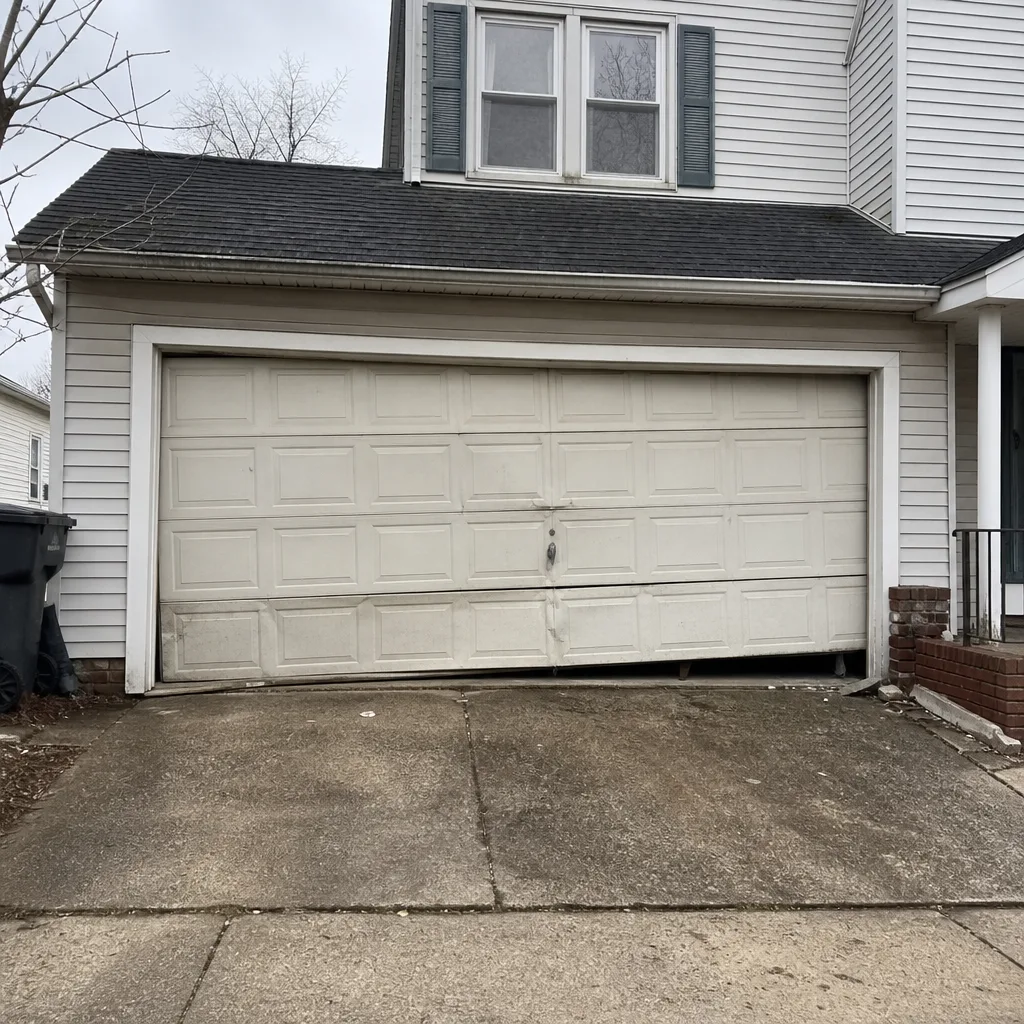 Before
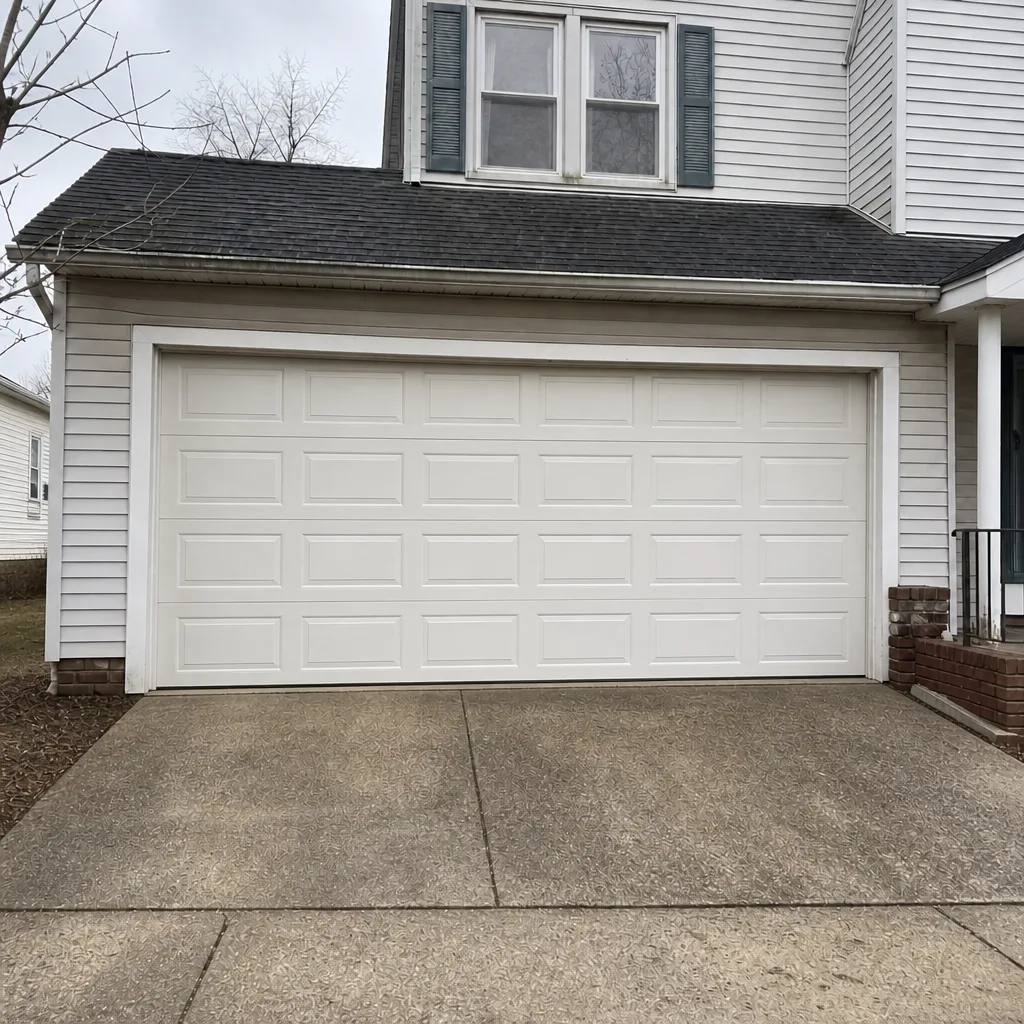 After
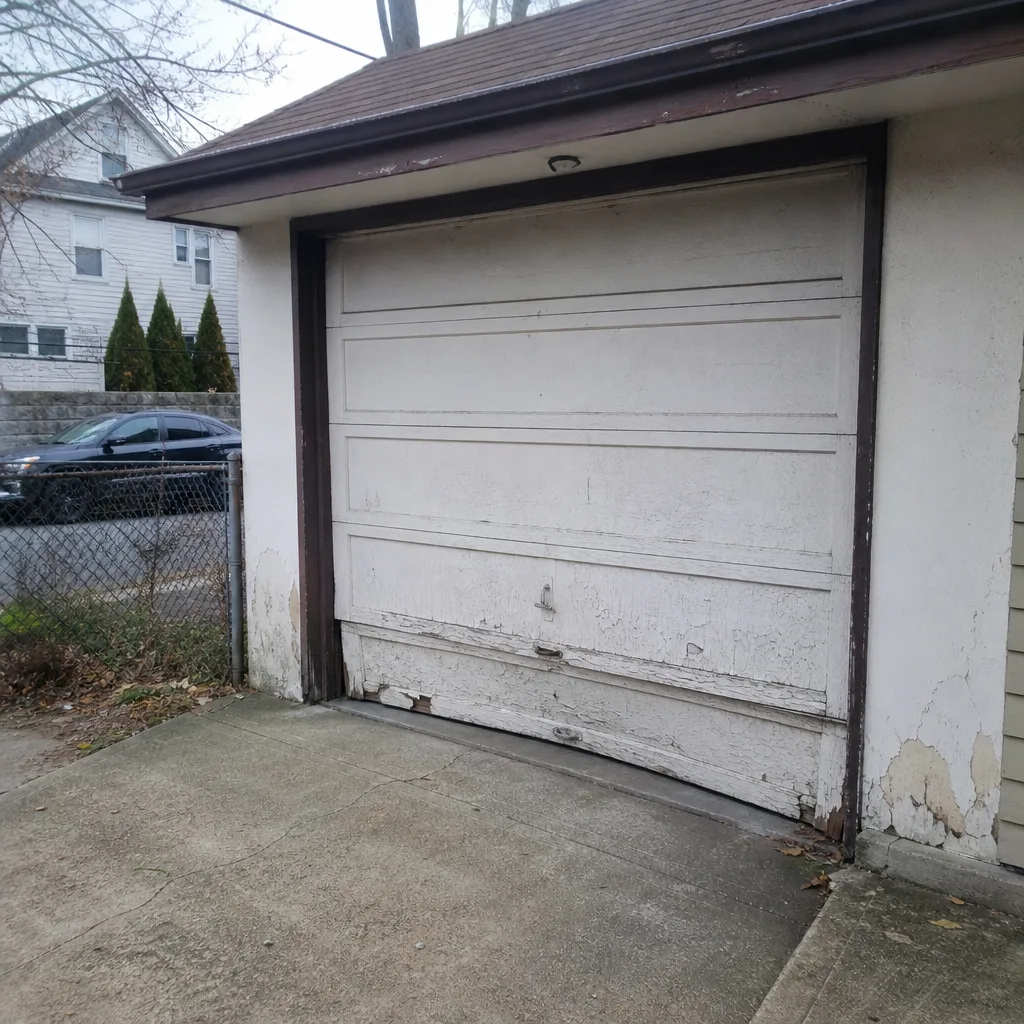 Before
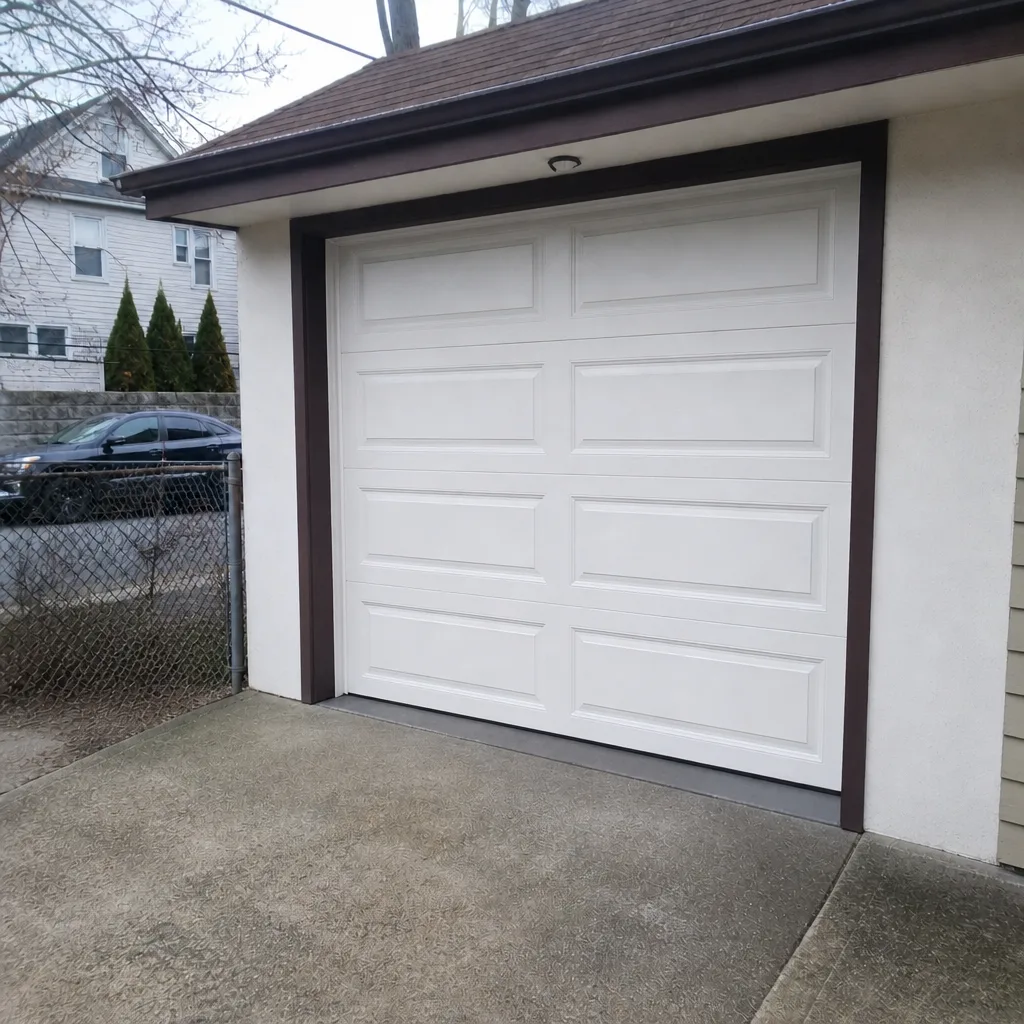 After
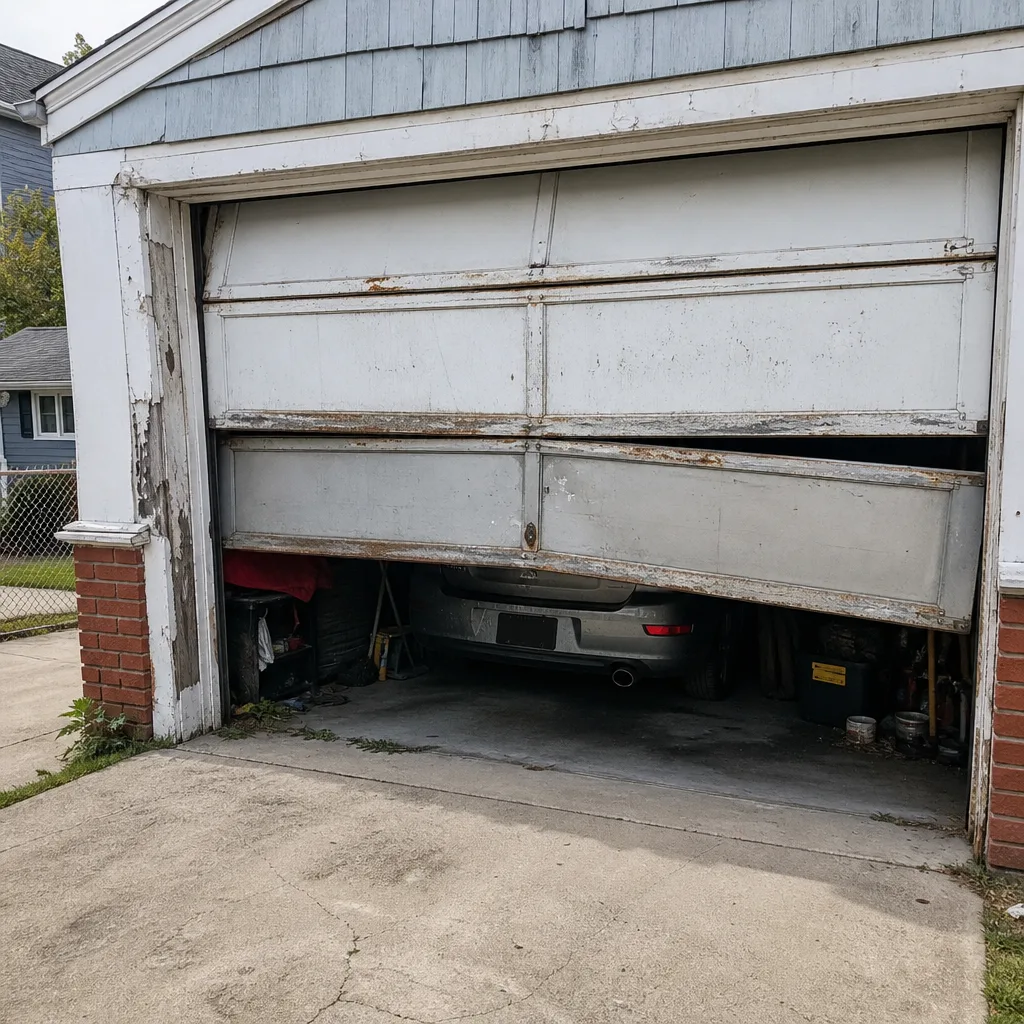 Before
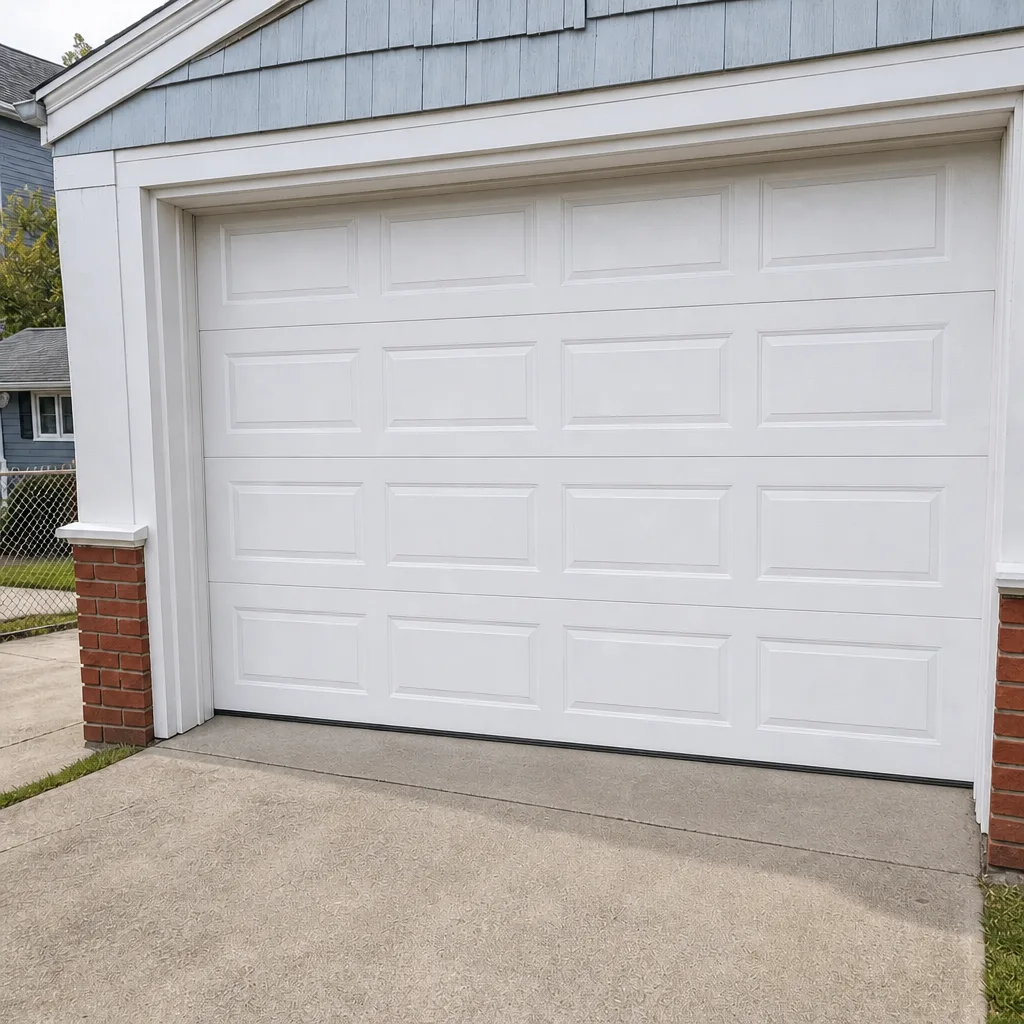 After
When to Call a Professional
Call a professional when the hand-lift test fails, when the opener’s auto-reverse doesn’t function, when a spring has visibly broken or the door hangs unevenly, when the vertical track is out of plumb, or when a wood panel has gone soft at the bottom edge. Also call when a seasonal task is on the “not safe for you” list – most importantly, anything involving springs. Paterson Garage Door Repair Co offers free estimates in Paterson – call (844) 553-2327. Our technicians have up to 14 years of experience, and we work on the brand of door and opener you already have, whether that’s a LiftMaster system, a Genie opener, a Raynor door, or the older setup that came with the house. When the door won’t move, we treat it as the priority call it is.
Frequently Asked Questions
The October hand-lift test is the highest-value thing you can do all year. Disconnect the opener, lift the door to halfway, and let go. If it stays put, the balance is healthy and the springs are likely OK. If it drifts or falls, the springs or balance are already compromised and the door needs attention before cold weather makes it worse. Call (844) 553-2327 for a free estimate if the test fails.
Cold makes steel less ductile, so torsion springs that were at the edge of their life in fall break more easily in January and February. The break itself isn’t caused by the cold – the cold removes whatever tolerance the spring had left. That’s why we treat October prep as the real work and February as the consequence window. If a spring has already snapped, call (844) 553-2327.
A tune-up visit typically runs $75 to $150 in the Paterson market. Spring replacement is usually $180 to $340 for a single spring, and a matched pair – which is normally replaced together – costs roughly double that. Bottom seal replacement and roller replacement are usually priced separately. Call (844) 553-2327 for a free estimate; the written estimate sets the price.
Freeze-thaw cycles open hairline cracks in the concrete under the door, spall the apron, and let the bottom seal close against a shim of broken concrete instead of a flat surface. In severe cases, the vertical tracks that anchor into the concrete can shift just enough to go out of plumb. The April inspection is specifically designed to catch this.
No. Torsion springs hold the full weight of the door under constant tension, and incorrect winding or unwinding can cause serious injury. This is one of the most safety-critical repairs in the entire trade. Call (844) 553-2327 for spring service; it’s well worth the cost versus the risk.
Yes, especially on the older wood panels common in Paterson neighborhoods. Wood absorbs moisture in summer, expands across the grain, and swells at the seams. Paint peels faster on the lower edges where moisture collects. The fix is a quick summer touch-up pass – any exposed wood gets sealed before fall, so the winter moisture can’t get in.
Once a year is enough for most residential openers, and the April pass is a good time to have it looked at because that’s when hidden wear from winter freeze-thaw tends to show up. If your opener is a LiftMaster, Chamberlain, Genie, or Raynor unit and it’s lost its limits or stutters, that’s a repair call – call (844) 553-2327 for a free estimate.
Yes, if you’d rather catch a marginal spring in October than replace one in January. A tune-up typically runs $75 to $150 and catches the specific points that fail in cold weather. The alternative is a same-day emergency call in a snowstorm, which costs more and takes longer. Call (844) 553-2327 for a free estimate.
The Bottom Line
Seasonal garage door care in Paterson comes down to two anchors and a lot of smaller in-between work. The October prep pass prevents the February failures. The April pass catches what freeze-thaw did to concrete, tracks, and seals. The rest – lubrication, paint touch-up, drain clearing, sensor checks – fills in around those. Homeowners who do the two anchors and skip everything else will still avoid most emergency calls. Homeowners who wait until something breaks will get the same bill in the coldest or wettest month of the year. If you’d rather have a professional handle the check, Paterson Garage Door Repair Co is one call for both the door and the opener – free estimates, and the price is quoted and agreed before any work starts.
Call (844) 553-2327 for a free estimate on any seasonal garage door maintenance, repair, or installation work in Paterson. Estimates are free, and the written quote is the number you pay. If a spring has already broken or the door won’t move, tell us when you call and we’ll prioritize it.
Written by the team at Paterson Garage Door Repair Co.