Last updated November 21, 2026
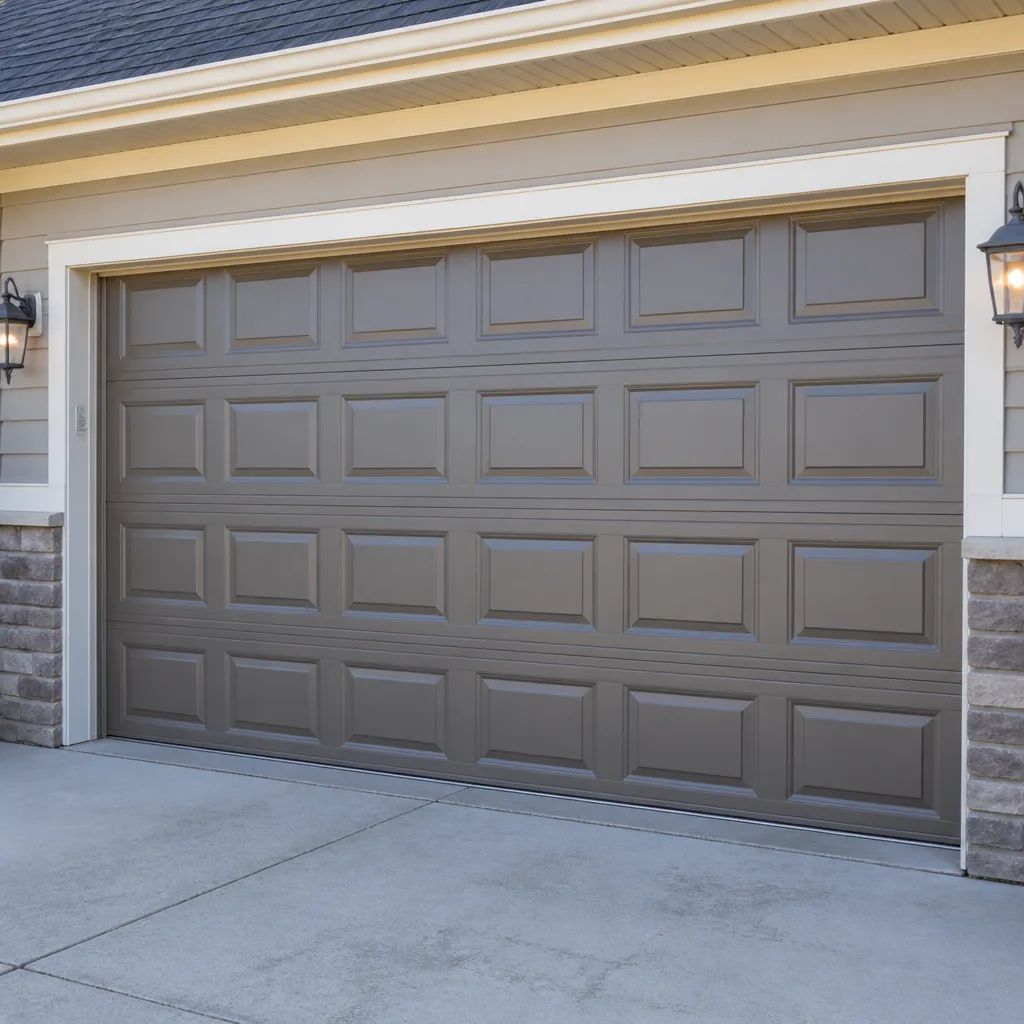 Raised-panel steel
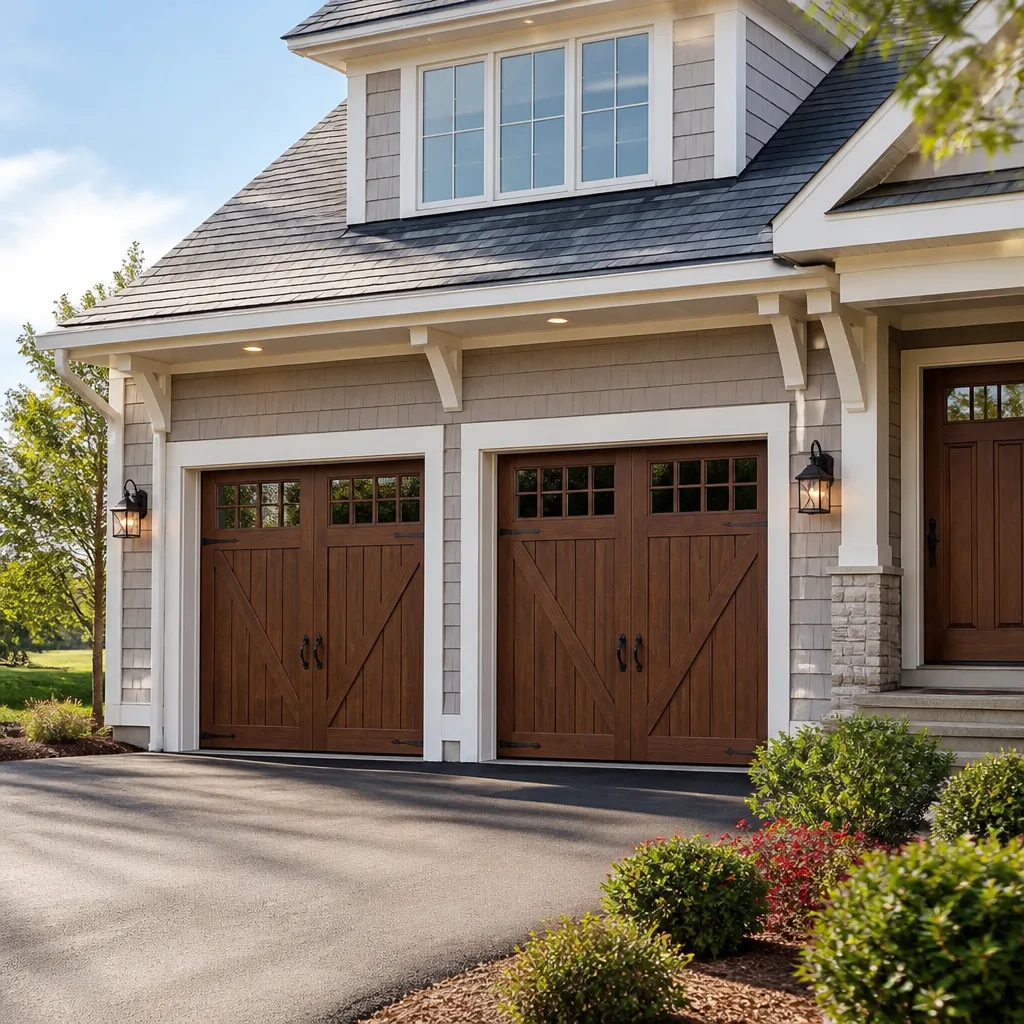 Carriage house
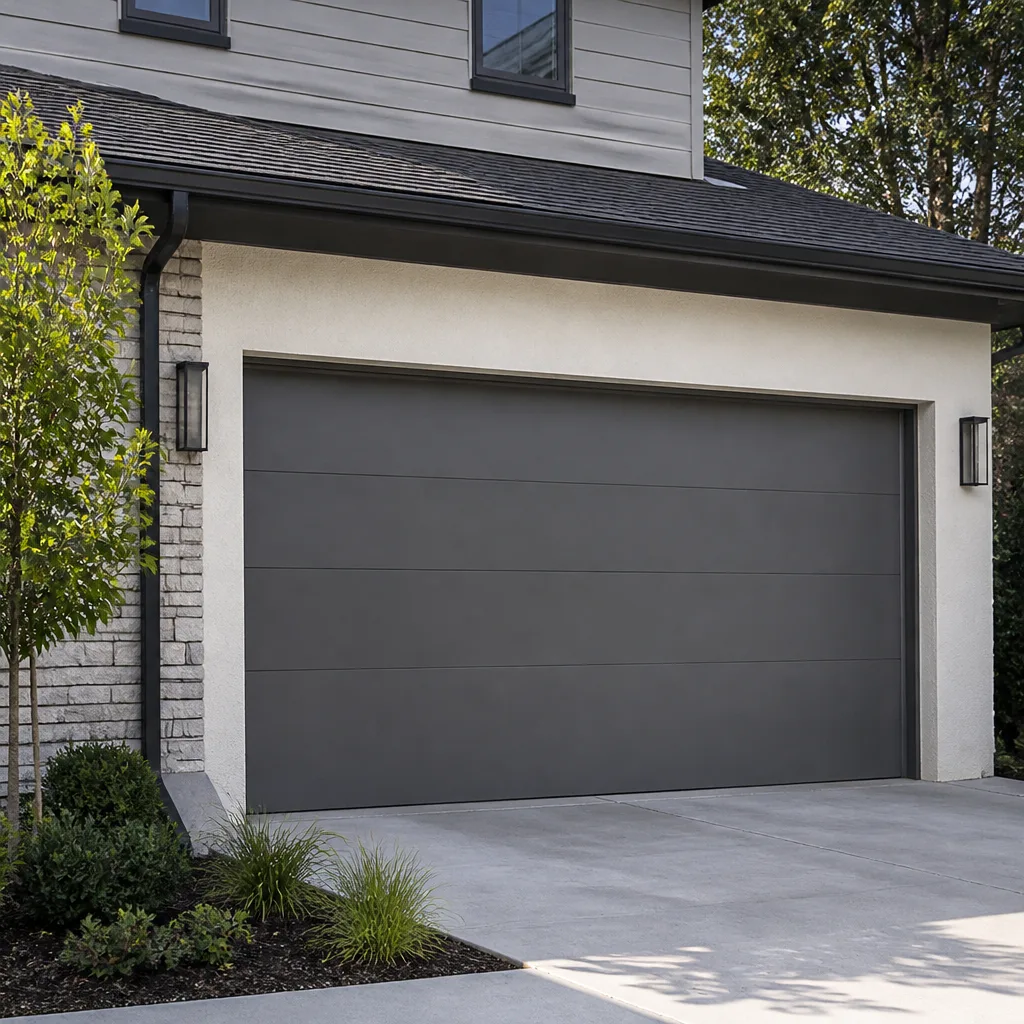 Modern flush
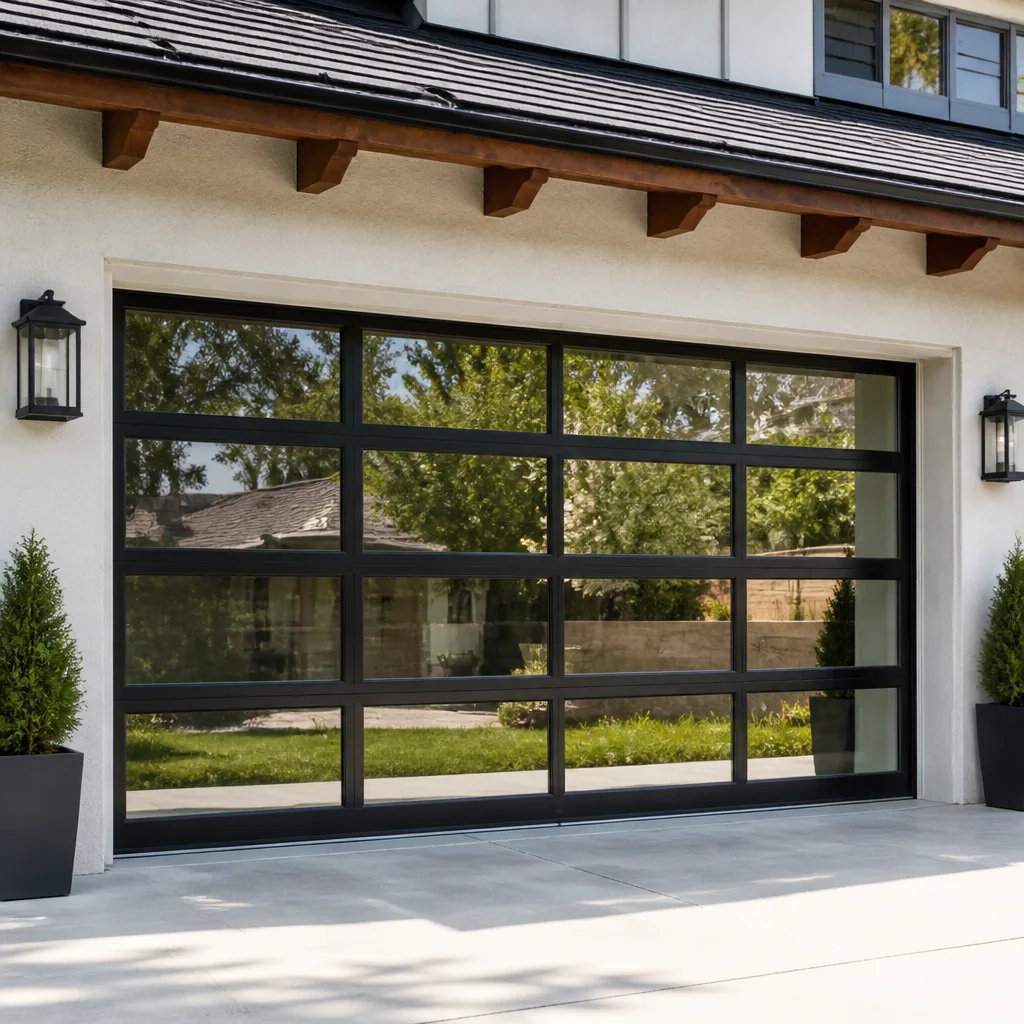 Full-view glass
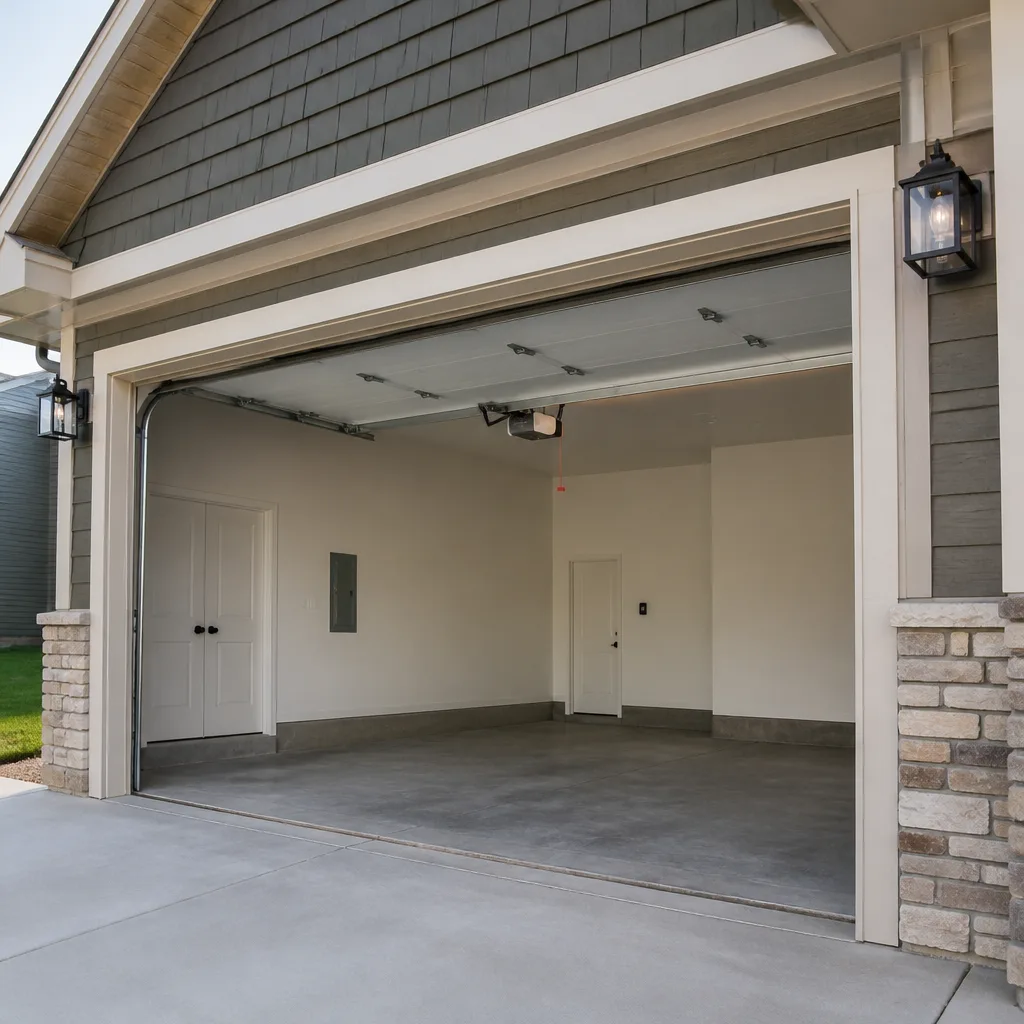 LiftMaster openers
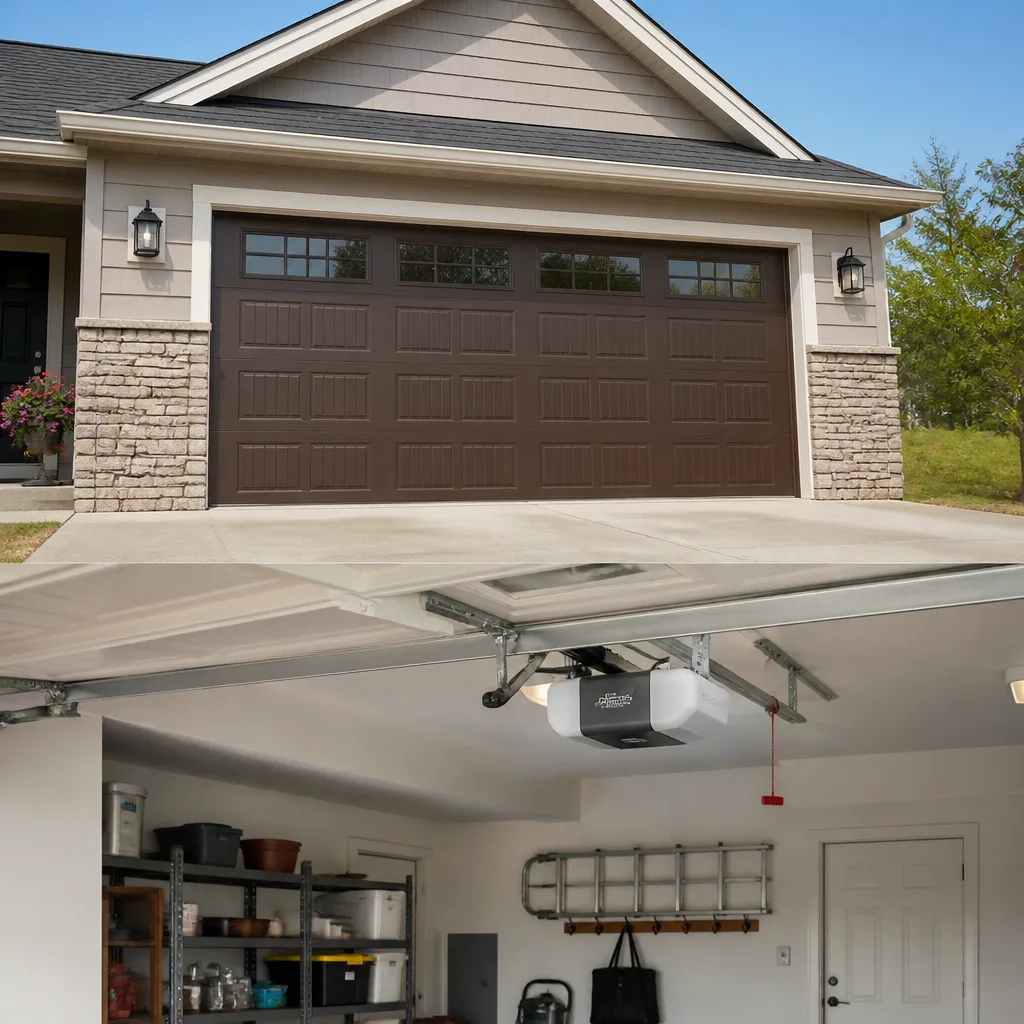 Chamberlain openers
Full 25-point door and opener safety check with every visit - springs, cables, rollers, tracks, and your LiftMaster or Chamberlain opener included
You get a price before we start. It does not change when the pro arrives.
Get your free estimateThe Complete Guide to Garage Doors in Paterson
Most garage door guides are written for a suburban ranch house with a wide driveway, a level concrete pad, and a garage that was built in this decade. That advice will steer you wrong in Paterson. Here, humidity off the Passaic River works on hardware all year, driveways are tight, and plenty of garages sit under framing that’s closer to eighty years old than twenty. None of that makes a door unfixable. It does change which repairs make sense, which parts fail first, and how a job needs to be approached. What follows is a plain guide to how garage doors actually behave in this city: the housing stock, the brands, the failure patterns, and the decisions in front of you when something breaks.
Quick Answer
A garage door in Paterson that won’t open, won’t close, or moves unevenly is almost always a spring, cable, roller, or opener problem, not a reason to replace the whole door. Most of these are repairable on the existing door and hardware. The one repair that always needs a trained technician is the torsion or extension spring system, because it’s under enough tension to injure someone badly. For everything else, start with a diagnosis and a written estimate, and only move to replacement when the panels, tracks, and structure are genuinely past saving.
Styles & brands we work with
- Raised-panel steel
- Carriage house
- Modern flush
- Full-view glass
- LiftMaster openers
- Chamberlain openers
Table of Contents
- How Paterson’s Housing Stock Changes Garage Door Repairs
- The Brand Landscape in Passaic County
- Urban Lot Constraints: Driveways, Clearance, and Opener Placement
- Springs: The Most Dangerous Part of the System
- Repair or Replace? Where the Line Actually Sits
- How to Vet a Garage Door Contractor in Paterson
- Common Mistakes to Avoid
- When to Call a Professional
How Paterson’s Housing Stock Changes Garage Door Repairs
Paterson is not a city of identical houses. Walk from one block to the next and the garage you’re looking at can change completely. That variety matters to anyone working on a door, because the building around the door sets the limits on what fits.
The three housing types you’ll run into most are older colonials, duplexes and two-family homes, and postwar ranches. Each brings its own quirks.
- Older colonials: These often have detached or semi-detached garages with framing that has shifted with the decades. Header clearance above the door opening can be tighter than it looks, and the wood may not be perfectly square. A door that hangs correctly on one side can rub on the other if the opening isn’t plumb.
- Duplexes and two-families: Shared driveways and shared garage structures mean two households depend on the same door. When it fails, the urgency doubles. These garages often have narrower single-bay openings, which limits the width of door you can install without reworking the frame.
- Postwar ranches: Built in the boom years after the war, these garages were sized for the cars of that era. A modern wider vehicle can make a tight fit feel even tighter, and the original door hardware on many of these has been replaced once or twice already, sometimes with mismatched parts.
What this means in practice is that a technician can’t order a door or size a spring from a photo. The header, the track run, and the actual opening have to be measured. In Paterson, more than in newer suburbs, the building itself is part of the diagnosis. That’s not a problem to work around. It’s just how the job goes here.
Humidity adds another layer. The Passaic River and the general dampness of the area put steady moisture into the air, and that moisture finds its way into wood framing, steel tracks, and hinges. Rust on the track and stiffness in the rollers show up faster than they would in a dry climate. It’s a maintenance issue more than a catastrophe, but it does mean a Paterson door benefits from a periodic look at the hardware, not just a call when it stops moving.
The Brand Landscape in Passaic County
If there’s one thing that separates a good repair from a frustrating one, it’s whether the technician knows your specific equipment before arriving. Paterson’s housing stock wasn’t built around a single brand, and the doors and openers in this county come from a handful of manufacturers that have dominated the market for decades. The most common names you’ll see on a door or opener here are LiftMaster, Chamberlain, Genie, Clopay, Amarr, Wayne Dalton, Craftsman, and Raynor.
We work on your brand, whatever it is. That matters because each manufacturer has its own quirks, and knowing them changes how a repair goes.
- Chamberlain and LiftMaster: These are closely related opener lines, and they share a lot of internal design. When a Chamberlain opener stops responding or a LiftMaster motor runs but the door doesn’t move, the fault is often in the logic board, the travel limits, or a stripped gear, not the motor itself. A technician who works on these regularly knows where to look first.
- Genie: Genie openers on older doors are common in this area, and their failure points differ from Chamberlain’s. Belt and chain drive wear, capacitor failure, and remote pairing issues are the usual suspects after several years of use.
- Clopay and Amarr: These are door manufacturers rather than opener makers, and their panels, hinges, and track systems show up all over Passaic County. Steel doors from these brands are durable, but in a humid climate the bottom section and the hinges are where rust and wear appear first.
Here’s the failure pattern that matters most: doors and openers put in during the last decade or so are now hitting the window where parts begin to wear. That’s roughly the seven-to-ten-year mark for springs, rollers, and opener components. It’s not a design flaw. It’s just the natural life cycle of hardware that opens and closes thousands of times. Knowing which brand you have, and roughly how old it is, tells a technician a great deal before anyone touches the door.
You can probably read the brand name right off the door’s bottom bracket or the opener’s motor housing. That one detail helps more than a description ever could. If the opener has a label, snap a photo of it. When you call for garage door opener repair, that photo can save a trip and point straight at the likely problem.
Urban Lot Constraints: Driveways, Clearance, and Opener Placement
Paterson is a dense city, and its lots show it. Driveways that barely fit a car, garages set close to the property line, and overhead obstructions like low ceilings or ductwork all shape what a garage door can be. National guides written for wide suburban lots rarely account for this.
Several practical limits come up again and again:
- Driveway slope: A short, steep driveway changes how a door needs to sit relative to the ground. The bottom seal has to clear the slope without dragging, which can rule out certain door styles or demand a careful adjustment.
- Low headroom: Some Paterson garages have ceilings that won’t allow a standard torsion setup or a full vertical track run. Low-headroom hardware exists precisely for this, but it has to be specified correctly.
- Opener placement: In a tight garage, the opener has to hang where it won’t clash with shelving, a water heater, or the path of the car. Where the opener mounts affects how the door travels and how easily the homeowner can reach the manual release.
- Single-bay widths: Narrow openings limit door width. A homeowner who wants a wider door may need framing work, and sometimes the smart answer is a well-chosen single door rather than forcing a different size.
The lesson for Paterson homeowners is this: don’t let a big-box installer talk you into a door style that fights your garage. A sectional door with the right track configuration and a properly placed opener will work in almost any garage in this city. It’s a matter of measuring and specifying, not guessing. When the space is tight, the details that matter are headroom, track radius, and where the opener sits, and those are all things a technician checks before ordering anything.
One call covers the door and the opener, and that’s a real advantage in an urban garage. If the door and the opener were installed and adjusted by two different people at two different times, they may be working against each other. Having a single technician look at the whole system is often the fastest path to a door that runs smoothly. For situations where the door itself needs attention, garage door repair can address the panels, tracks, and hardware together.
Springs: The Most Dangerous Part of the System
Springs are the most dangerous part of any garage door, and we treat them that way. A torsion spring above the door or an extension spring along the track holds the full weight of the door in tension. When one fails, it releases that stored energy all at once. This is not a part to experiment with.
There are two main spring systems in Paterson garages:
- Torsion springs: Mounted on a shaft above the door opening. These are the standard on most modern sectional doors. They last longer than extension springs but store more energy, and a failure is sudden.
- Extension springs: Mounted along the horizontal tracks on each side. Older doors often use these. They stretch as the door closes and are common in the older garages found throughout Paterson.
The warning signs of a spring nearing failure are a door that feels heavy when you lift it manually, uneven movement, or visible gaps or stretching in the spring itself. If you see any of that, stop using the door and call for garage door spring repair. A snapped spring is a job for a trained technician, full stop. The springs, the winding bars, and the tension are nothing to handle without the right tools and experience.
When springs do get replaced, there’s a decision to make: one spring or a matched pair. Springs are matched by size and tension, and a pair that failed on one side is usually due for both. Replacing a single spring on a paired system can leave the door unbalanced, so a technician will often recommend doing both at once. That’s a judgment call, and it depends on the condition of the surviving spring. The important thing is that it’s discussed and agreed before anyone starts winding.
Our technicians have up to 14 years of experience with these systems, and that experience is mostly about doing the job safely, not quickly. If a spring is involved, the conversation should start with how the repair will be done safely and what it will cost, not with a sales pitch. Pricing is quoted and agreed before any work starts, so you know the number before the tension is released.
Repair or Replace? Where the Line Actually Sits
Most garage door problems in Paterson are repair problems, not replacement problems. A snapped spring, a worn roller, a bent track, a dead opener: those get fixed on the door you already have. Replacement makes sense when the door’s structure is genuinely compromised or when the cost of repairs starts to approach the cost of a new door.
Here’s the rough decision framework we use:
- Is the door structure sound? If the panels are rusted through, cracked, or so out of alignment that the door can’t track properly, replacement is worth discussing. If the panels are solid, repairs usually win.
- Is it one failure or many? A single broken part is a repair. A door with failing springs, worn rollers, a bent track, and a tired opener at the same time may cost more to save than to replace.
- How old is the door? Door hardware has a life cycle. A door near the end of a long run with multiple failing components is a replacement candidate.
- What does the homeowner actually want? Sometimes a door works fine but the homeowner wants a different look or better insulation. That’s a legitimate reason to replace, and it’s different from a forced replacement.
The financial threshold isn’t a fixed number, because it depends on the door. But the principle is simple: if the repairs needed are more than the door is worth to keep, replacement makes sense. If you’re looking at one or two parts, repair is almost always the better call. In Paterson’s older garages, we often see doors that are structurally solid but have been neglected. Those are usually salvageable, and fixing them keeps more of the original character of the house.
When replacement is the right answer, it’s a measured, ordered, and scheduled job, not a same-day fix. The process starts with a free measure and a written price. From there, the door is ordered to fit your specific opening, which matters enormously in this city, where openings vary from one block to the next.
How to Vet a Garage Door Contractor in Paterson
Hiring the right person matters more on a garage door than on most home repairs, because the work involves stored energy and a system that has to be balanced precisely. A contractor who does it right leaves you with a door that runs quietly for years. One who does it wrong leaves you with a callback, or worse.
A few things to check before you book anyone:
- Ask what brand they know. A technician who works across LiftMaster, Chamberlain, Genie, Clopay, Amarr, Wayne Dalton, Craftsman, and Raynor doesn’t need to look up your equipment on arrival. If they hesitate when you name your brand, that’s a signal.
- Ask for a written estimate before work starts. The price should be quoted and agreed in advance. A good contractor will walk you through what needs fixing and what it costs before touching the door.
- Ask about spring safety. If springs are involved, a real professional will flag the danger and explain the procedure. Anyone who waves off the risk isn’t someone you want working on a torsion system.
- Check accountability. A regional franchise can send a different crew every time, and the person who did the work may not be reachable after. A local operation that stands behind its work is easier to hold accountable.
- Confirm they can handle both the door and the opener. If a company only fixes doors, you’ll need a second call for the opener, and the two systems won’t be looked at together.
The difference between a good contractor and a good franchise isn’t always obvious on the surface. What matters is whether the person doing the work knows the trade, knows the brand, and is answerable for the result. That’s the standard we hold ourselves to, and it’s the standard we’d suggest you hold anyone to.
Common Mistakes to Avoid
- Replacing the door when the problem is the spring. If the door won’t lift, the spring or opener is the likely cause, not the panels. Don’t let a sales call talk you into a new door before the actual failure is diagnosed.
- Ignoring a slow, heavy door. A door that feels heavy coming down may have a spring on the way out. Waiting for a loud snap in Paterson’s older garages only costs more and creates a safety risk.
- Trying to save a few dollars by treating springs as a DIY job. Torsion springs store enough energy to cause serious injury. This is one part where saving money is not worth the risk.
- Letting a single failed spring on a paired system stay single. If one spring in a matched pair fails, the other is usually the same age and condition. Replacing only one can leave the door unbalanced.
- Hiring the first quote without asking about brand experience. A contractor who works on your brand on a regular basis will diagnose and fix it faster than one who has to study the opener’s manual on your driveway.
- Assuming a big-box installer knows your older Paterson garage. Low headroom, narrow single-bay openings, and shifted framing are common here and rare in the showrooms that sell standard sizes.
- Skipping the written estimate. A price that changes after the work begins is a problem. Get the quote in writing and agree on it before anything is taken apart.
When to Call a Professional
Call when the door won’t reverse on its own, when the opener runs but the door doesn’t move, when the door hangs crooked, or when you see a gap in a spring or a frayed cable. Call if the door feels heavy to lift by hand, if it slams down instead of lowering smoothly, or if the opener motor hums without moving anything. Those are the signals that the system has a real fault, not a minor adjustment. For a snapped spring, a door that’s come off its track, or a garage that won’t secure, emergency service matters. If the door won’t move, don’t force it; call instead. Paterson Garage Door Repair Co offers free estimates in Paterson. Call (844) 553-2327 when you’re ready, and we’ll set up a time to look at it.
See the difference
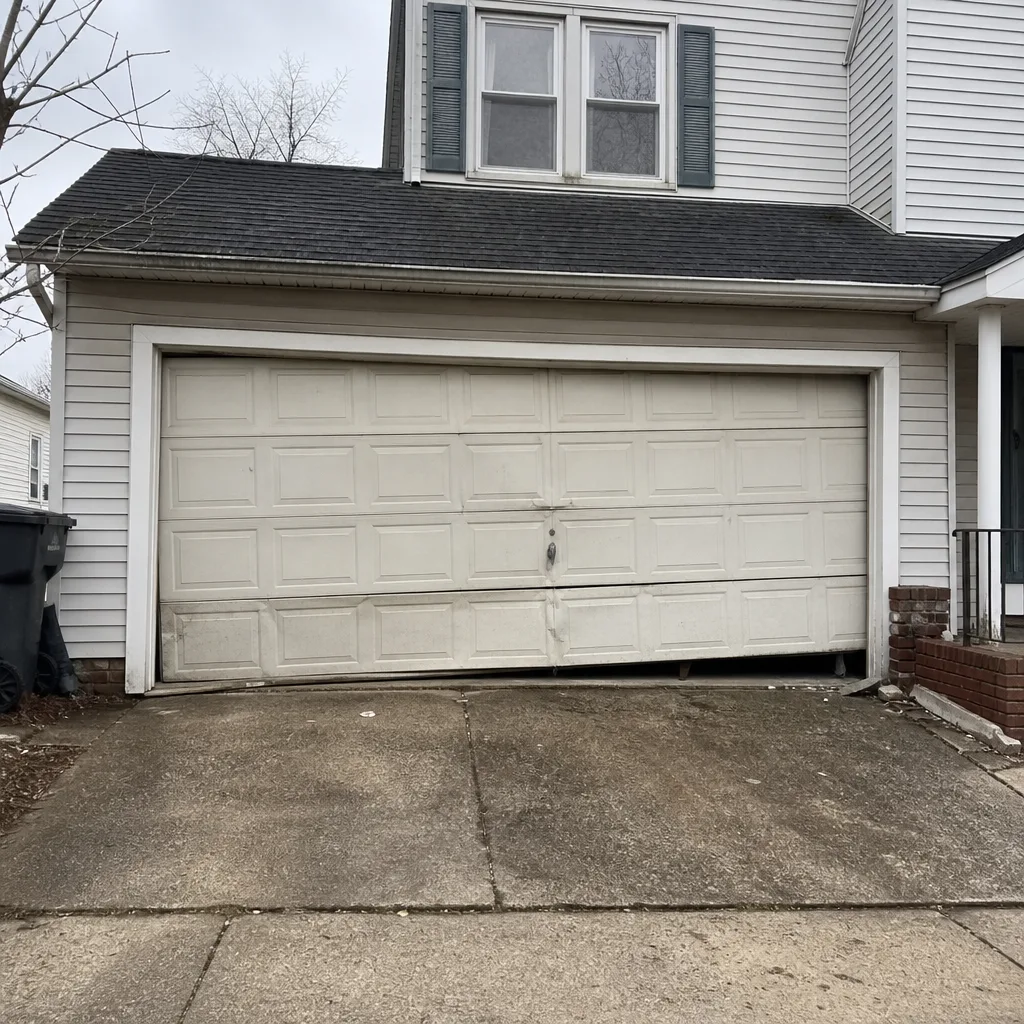 Before
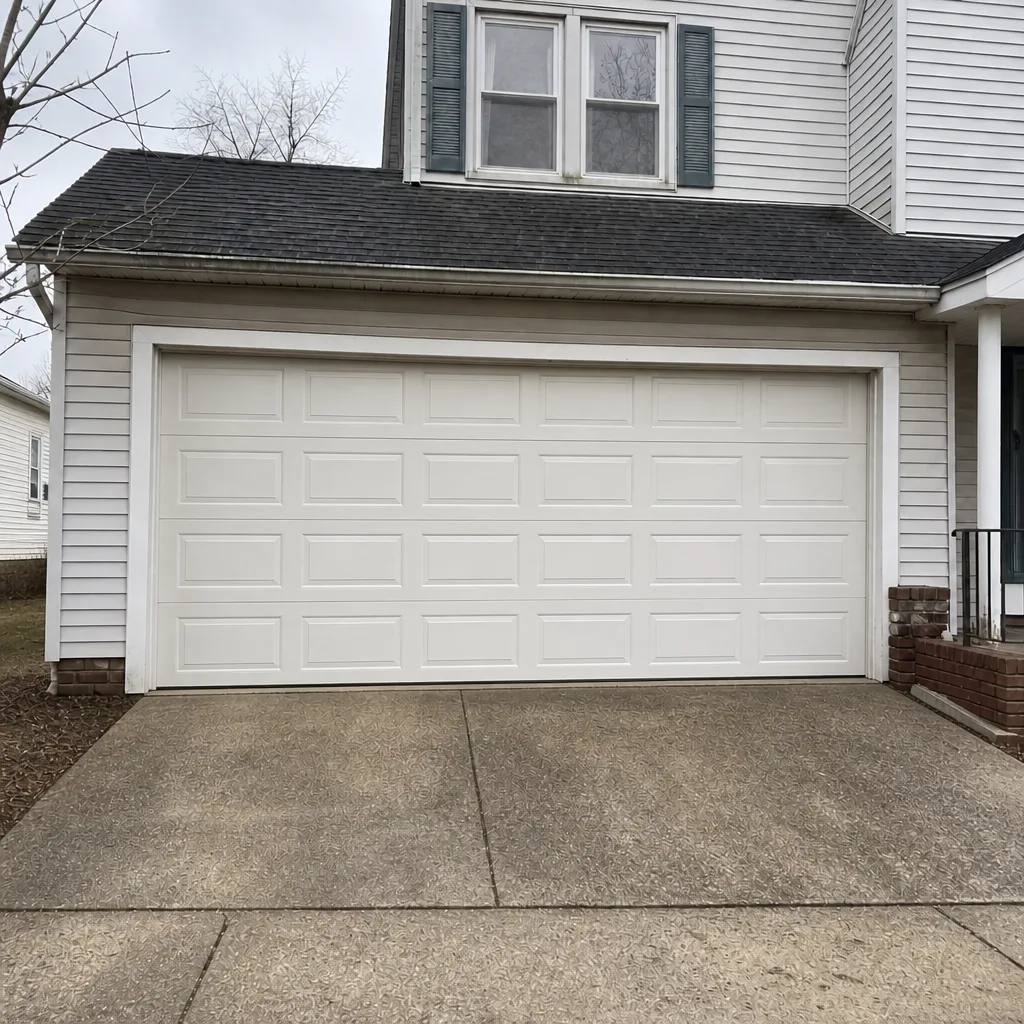 After
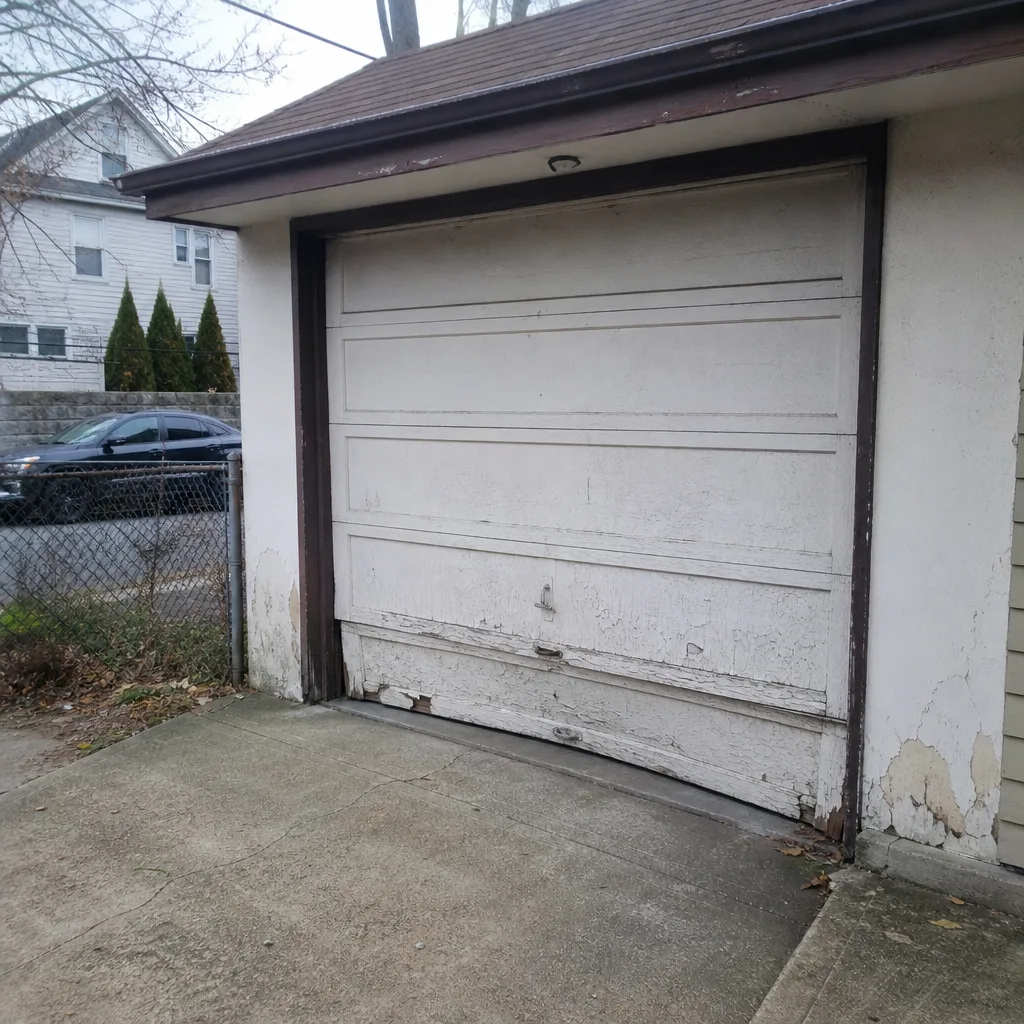 Before
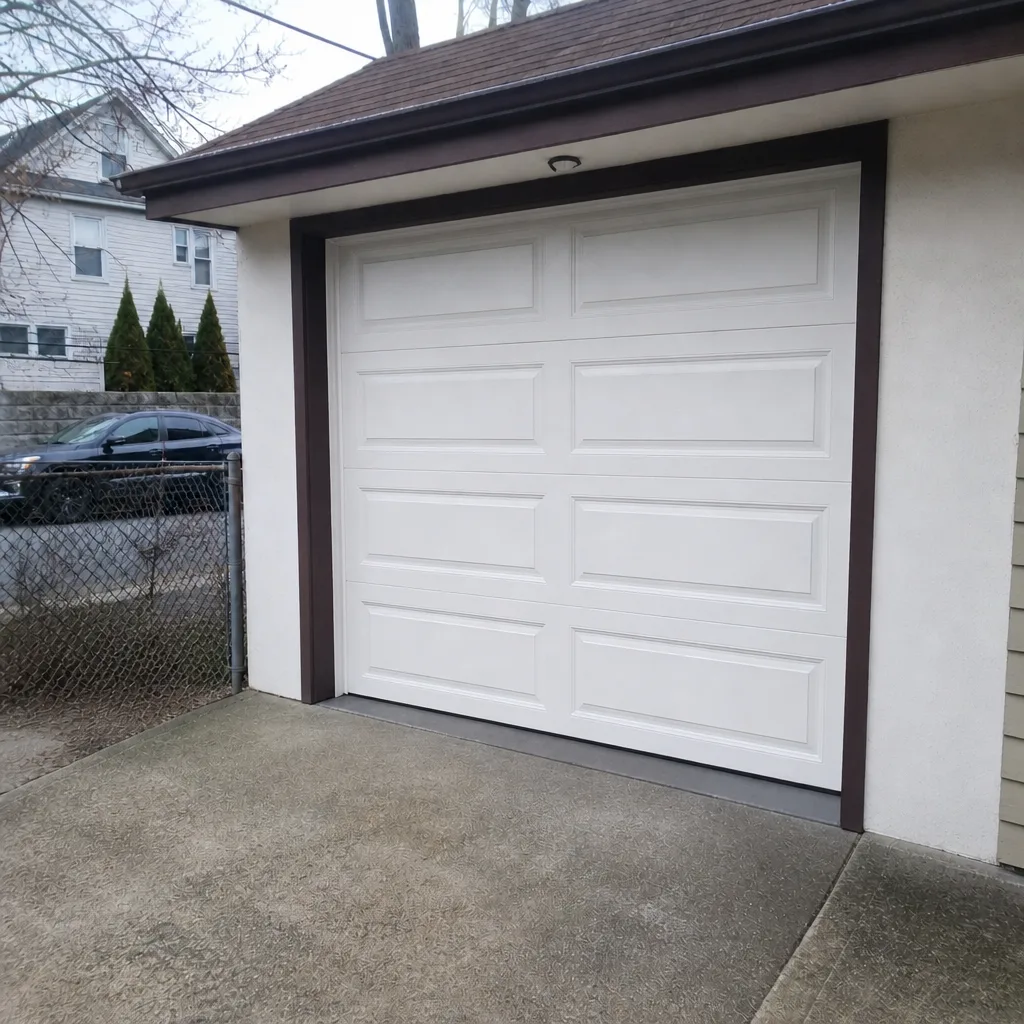 After
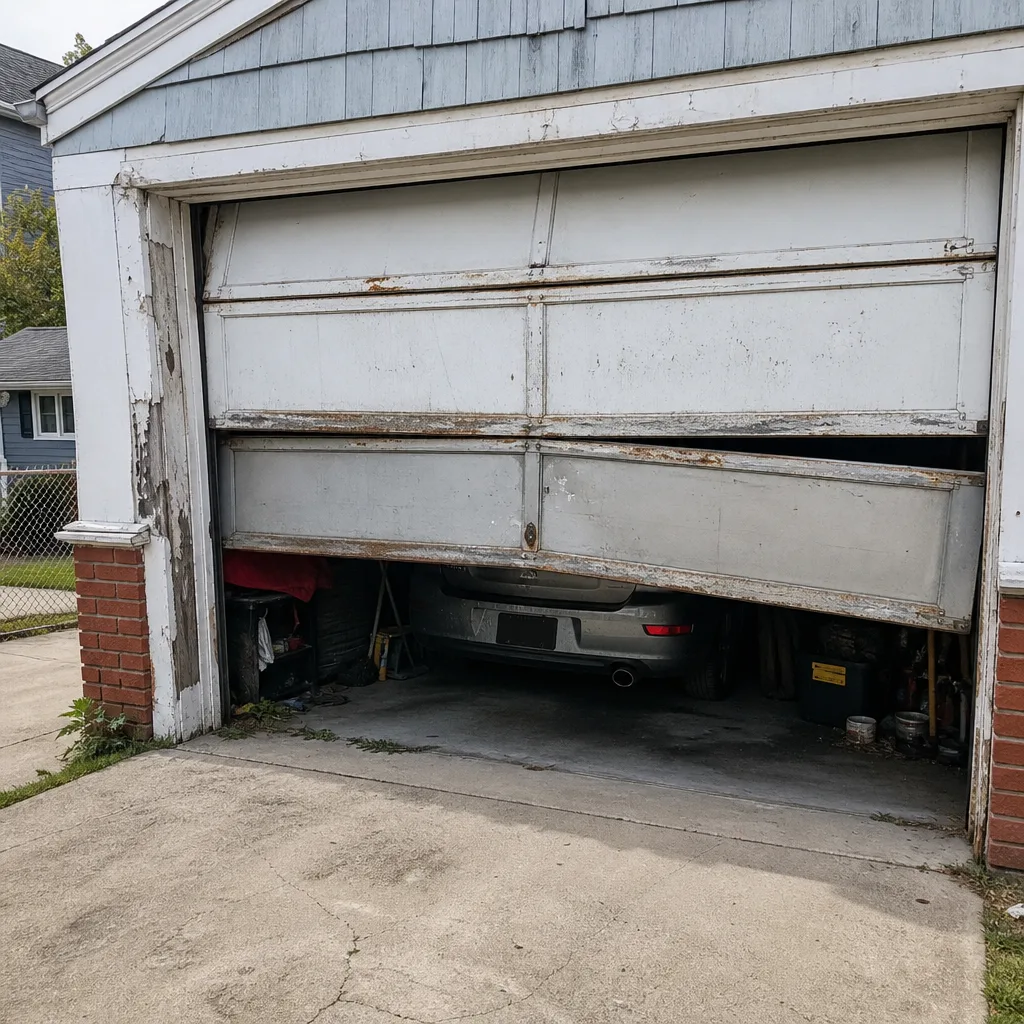 Before
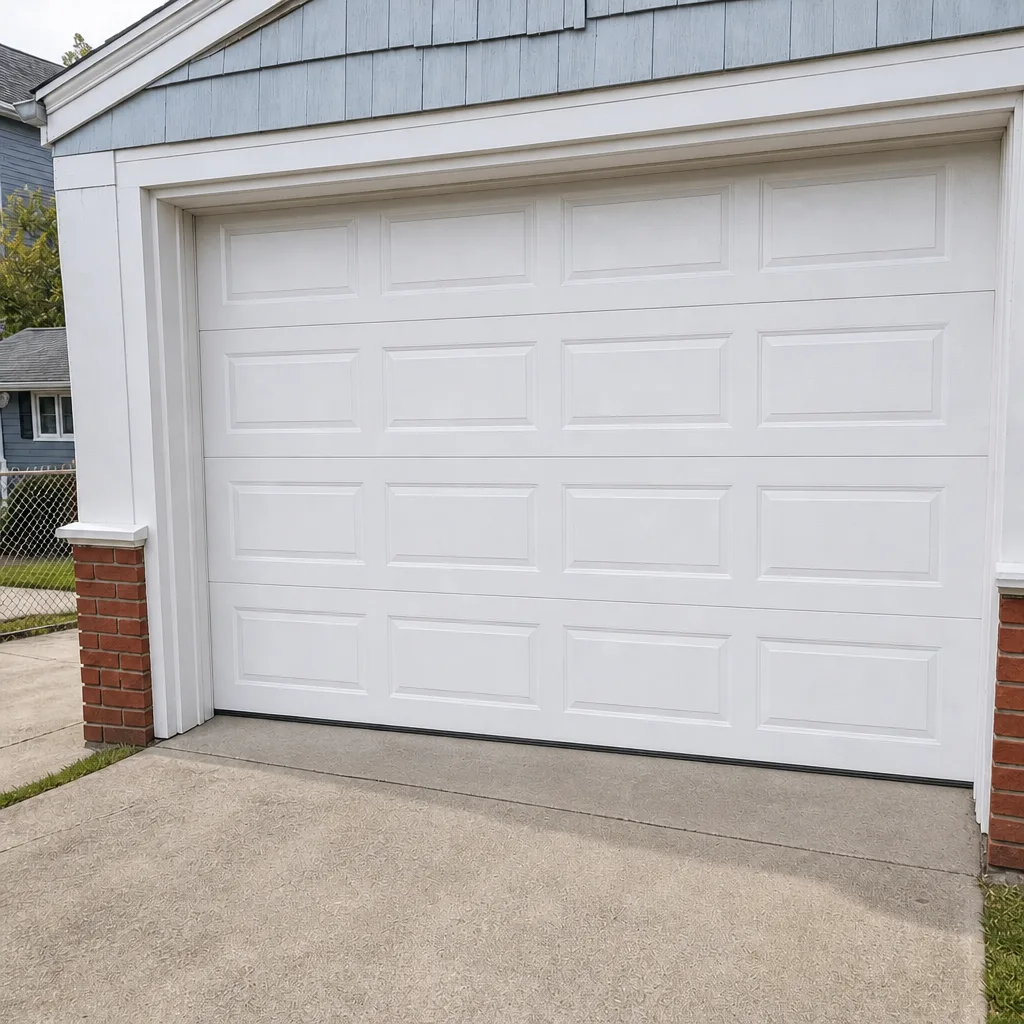 After
Frequently Asked Questions
Cost depends on the failure, but most repairs come in far below replacement, and you get a written estimate before any work starts. The written estimate sets the final price, so the number you agree to is the number you pay. Call (844) 553-2327 for an exact quote. Estimates are free.
Emergency garage door service is one of our core offerings, and urgent calls are exactly what it’s for. If the door won’t move or the spring has snapped, call (844) 553-2327 and we’ll get you on the schedule as quickly as we can. Don’t try to force the door in the meantime.
No. The price is quoted and agreed before any work begins, so a surprise invoice isn’t part of the plan. If a hidden issue turns up, we’ll talk it through with you first and get your agreement before doing anything further. Call (844) 553-2327 for a free estimate.
The local pro we connect you with is licensed and insured as their state requires, so the person doing the work is covered for the job. That’s the standard we hold, and we’d encourage you to ask any contractor you hire the same question. Call (844) 553-2327 to book a free estimate.
We work on all eight of the major brands common in Passaic County: LiftMaster, Chamberlain, Genie, Clopay, Amarr, Wayne Dalton, Craftsman, and Raynor. That means the technician knows your equipment before arriving, whether it’s a Chamberlain opener or a Clopay door. Call (844) 553-2327 and tell us the brand.
Repair is the right call when the door’s panels, tracks, and structure are sound and only a part or two has failed. Replacement makes sense when the door is at the end of its life or multiple components are failing at once. In Paterson’s older garages, a structurally solid door is usually worth saving. Call (844) 553-2327 and we’ll give you an honest read.
The Bottom Line
Garage doors in Paterson behave differently than the national guides suggest, because the city’s housing stock, humidity, and tight lots set the terms. The core decisions are simple: fix what’s broken before replacing what isn’t, treat springs with the respect they demand, and hire someone who knows your brand before they arrive. Older colonials, duplexes, and postwar ranches each bring their own clearance and framing issues, and a good technician measures before ordering anything. When a door fails, a diagnosis and a written estimate come first, and the repair usually follows. Call (844) 553-2327 for a free estimate from Paterson Garage Door Repair Co, and we’ll help you sort out what your garage actually needs.
Written by the team at Paterson Garage Door Repair Co.