Last updated November 21, 2026
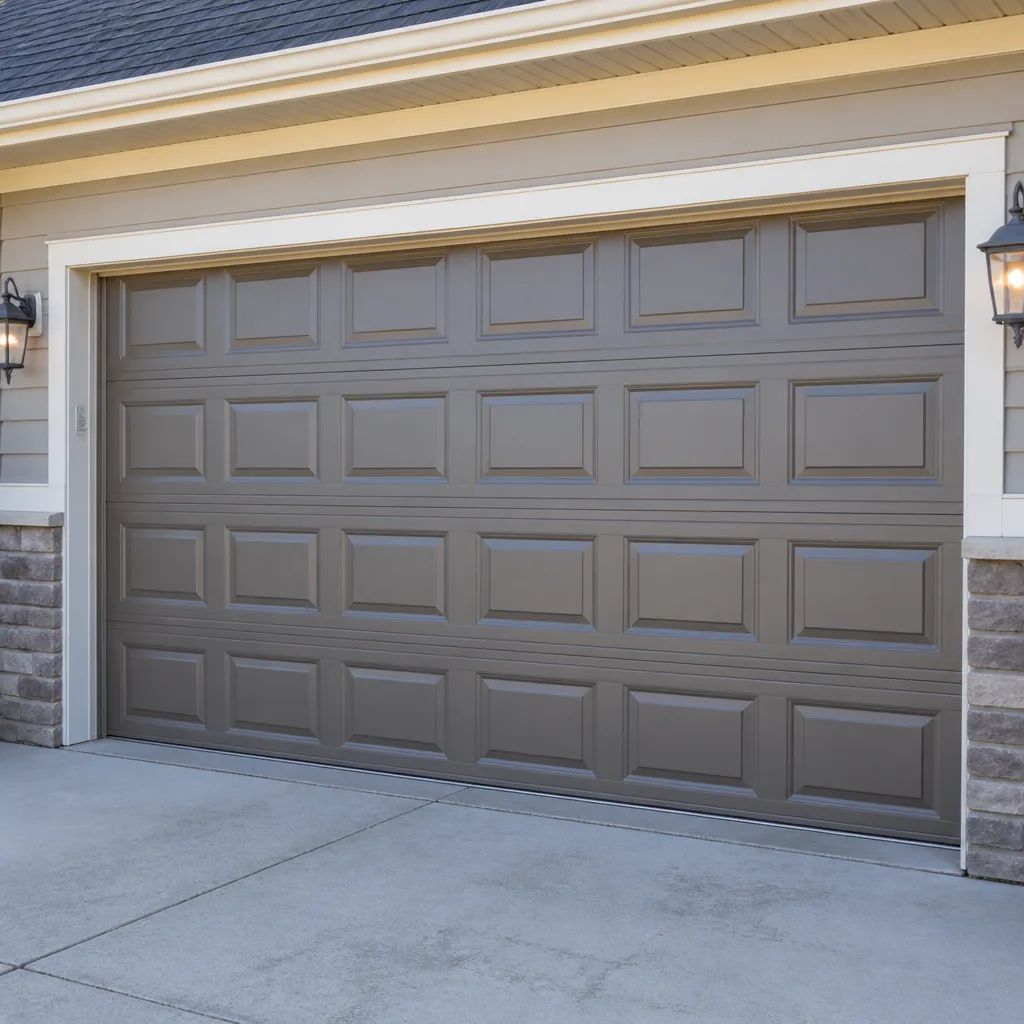 Raised-panel steel
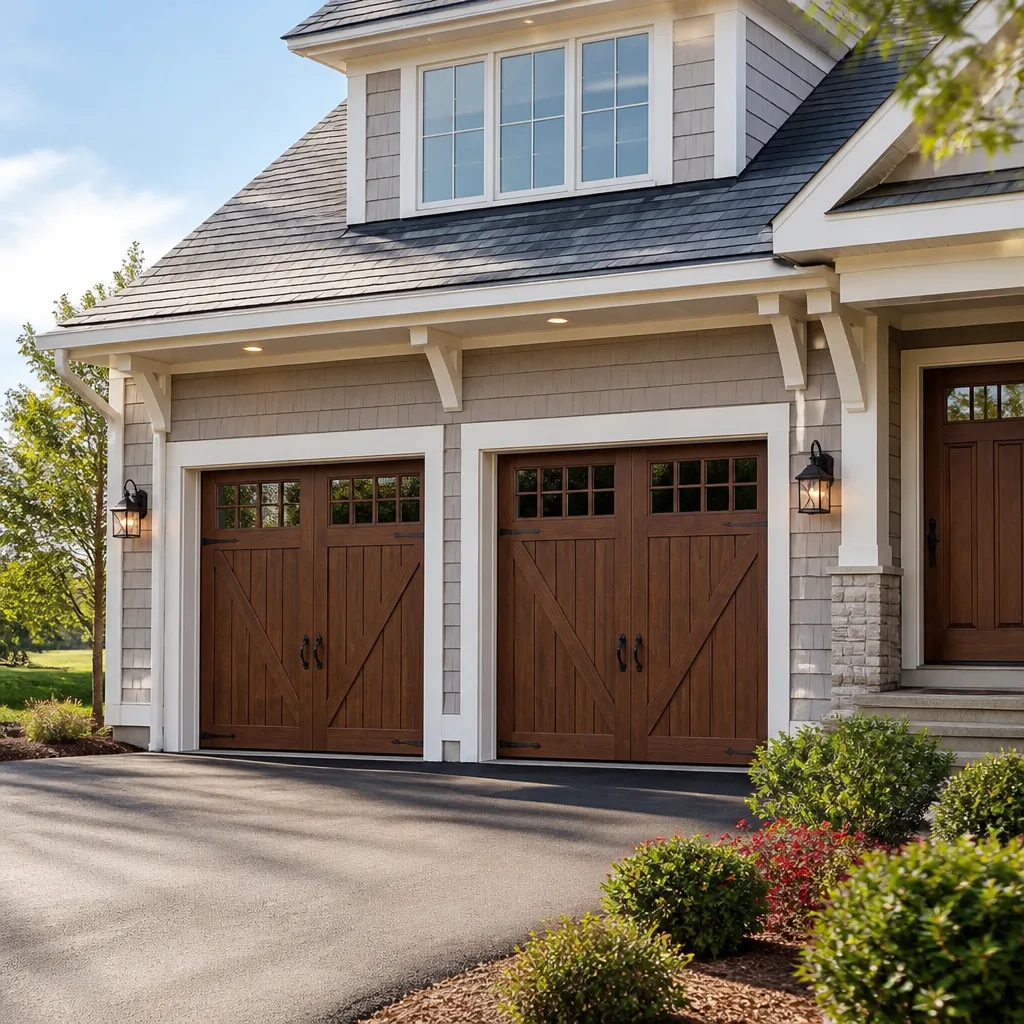 Carriage house
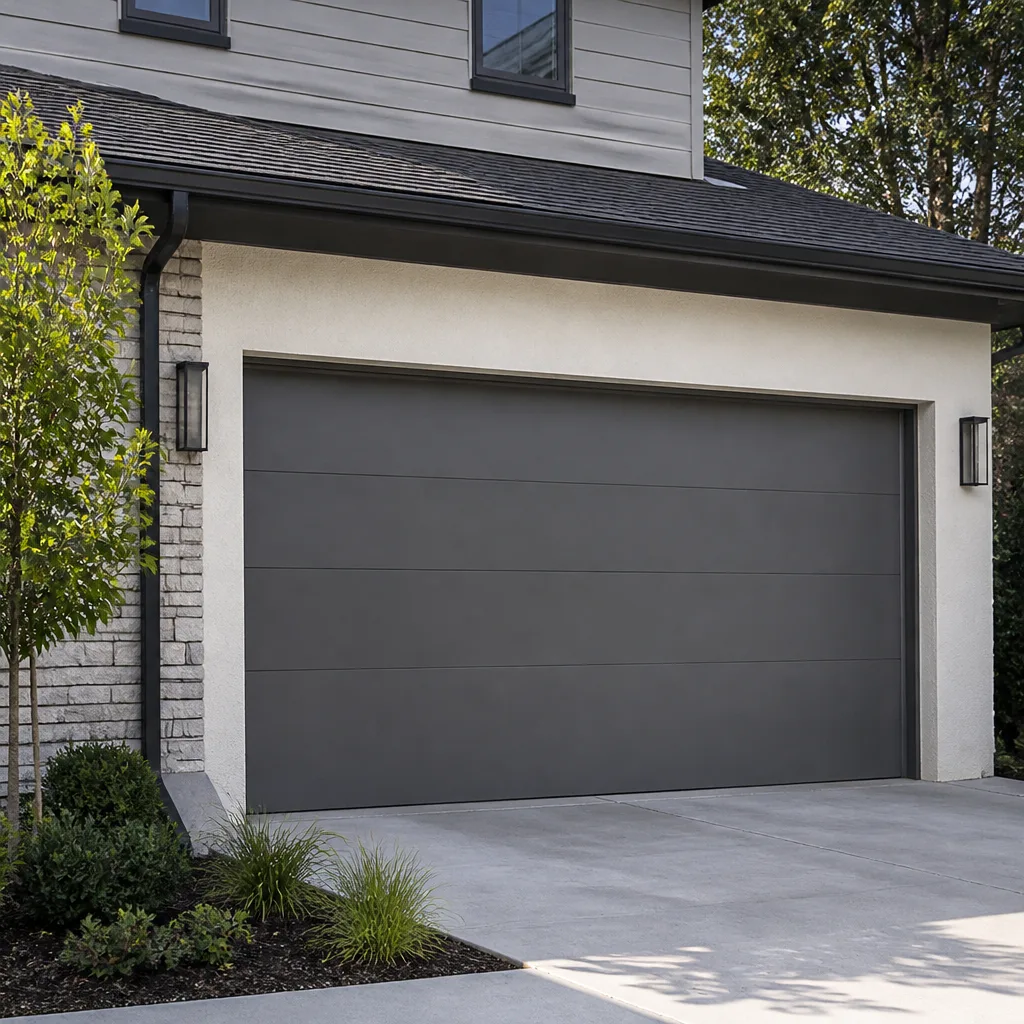 Modern flush
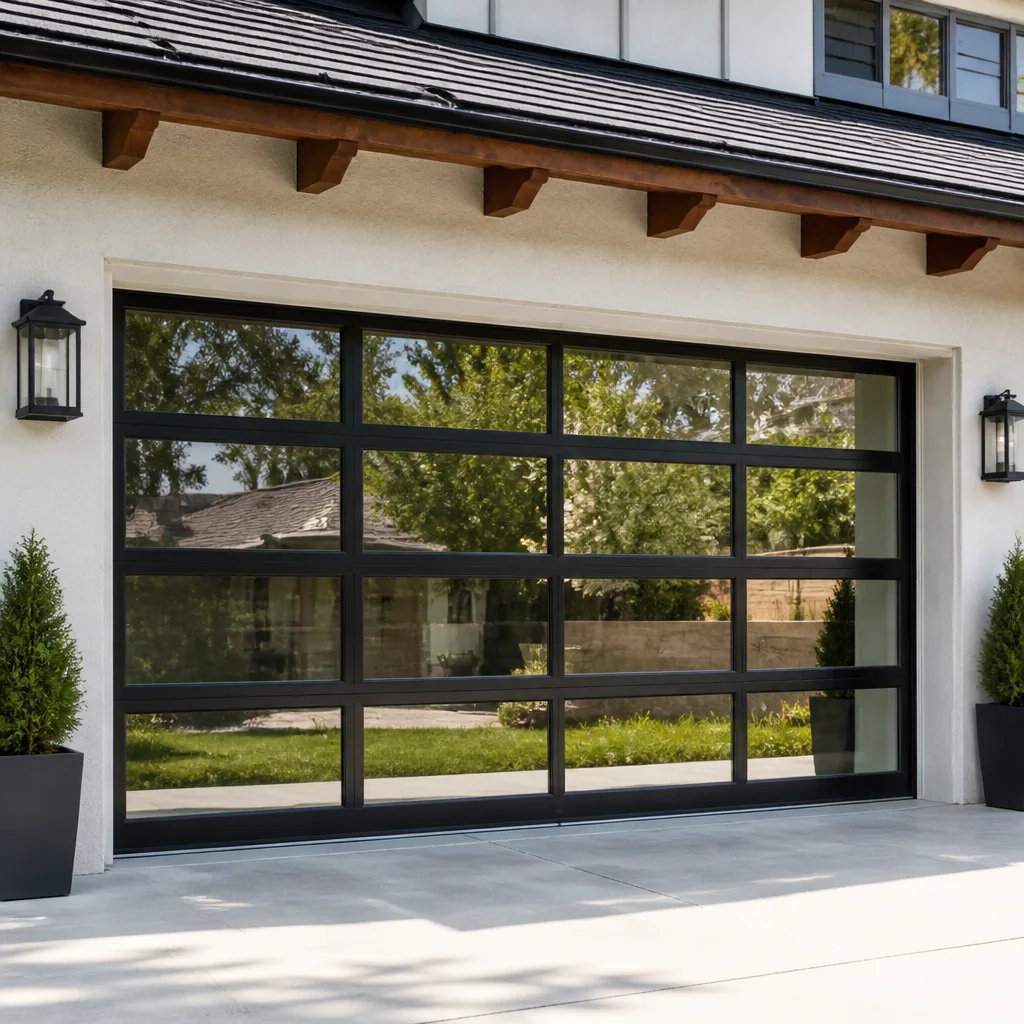 Full-view glass
 LiftMaster openers
 Chamberlain openers
Full 25-point door and opener safety check with every visit - springs, cables, rollers, tracks, and your LiftMaster or Chamberlain opener included
You get a price before we start. It does not change when the pro arrives.
Get your free estimateGarage Door Warning Signs: A Paterson Homeowner’s Reference Guide
A grinding noise and a scraping noise mean two completely different things on a garage door. One usually points to a worn roller you can replace for the price of a takeout dinner. The other points to a track or cable problem that can snap a tensioned cable if you keep running the door anyway. Most warning-sign checklists lump both under “unusual noises” and leave it there, which tells you nothing about what to do next. A garage door almost never fails with zero notice. It gives you weeks or months of specific sounds, movements, and measurements first. This guide maps each warning sign to the component behind it and tells you whether it’s a monitor-this situation or a stop-now situation, so you can prioritize in Paterson without panicking.
Quick Answer
A garage door that’s failing usually signals it through one of a handful of specific signs: a grinding or scraping sound, jerky or uneven movement, a door that reverses before closing, visible sag between sections, or a gap in the cable. The sign tells you which component is involved. Grinding points to rollers or the opener; scraping points to the track; a fast-dropping door points to springs. If the door is hanging on a broken spring or a frayed cable, stop using it and call a trained technician. Paterson Garage Door Repair Co handles all of these at (844) 553-2327, and estimates are free.
Styles & brands we work with
- Raised-panel steel
- Carriage house
- Modern flush
- Full-view glass
- LiftMaster openers
- Chamberlain openers
Table of Contents
- Symptom-to-Component Diagnostic Table
- Grinding vs. Scraping: Why the Two Sounds Matter
- Monitor This or Stop Now: The Severity Tiers
- Why a Slow Opener Usually Isn’t the Opener
- Cold-Weather Warnings Unique to Paterson
- What a Sagging Section Actually Means
- Springs and Cables: Why We Treat Them So Carefully
- A Monthly Walk-Around Checklist
Symptom-to-Component Diagnostic Table
Warning signs aren’t interchangeable. Each one narrows the list of parts that could be responsible, and that’s what makes a reference guide worth keeping on your phone. Here is how we map the most common signs in the field.
| What you notice | Most likely component | Typical urgency |
|---|---|---|
| Loud grinding while the door moves | Worn metal rollers, or dry opener rail | Monitor – schedule repair |
| Scraping or metal-on-metal drag | Bent track or a roller popped out of the track | Stop – risk of cable damage |
| Door slams down or drops fast | Broken spring or snapped torsion spring | Stop – do not run the opener |
| Door reverses before hitting the floor | Photo-eye misalignment or down-limit set wrong | Monitor – safety issue, adjust soon |
| Door moves slowly or jerks | Binding door system, not usually the opener motor | Monitor – diagnose within days |
| Visible sag between sections | Bent panel or failing hinge/track structure | Monitor – structural, inspect soon |
| Frayed or kinked cable | Aircraft cable under tension | Stop – do not touch it |
| Remote works intermittently | Battery, antenna, or signal interference | Monitor – safe to keep using |
Two things worth pointing out about that table. First, most rows say “monitor.” Only three say “stop,” and those three involve tensioned parts or a safety risk. Second, a single sign can have more than one cause. A slow door could be a binding track, worn rollers, or an opener losing power. That’s why a proper diagnosis beats a guess, and it’s why we recommend garage door repair that starts with a look at the whole system rather than a single part swap. If you’ve got more than one row going on at once, that’s a sign the door has been running on borrowed time for a while.
Paterson homes run the full range of door types: single-car doors in the older residential blocks, double doors on the bigger lots, and a lot of wood and steel doors that are older than the cars parked under them. An older door isn’t automatically a problem. But the wear items on it, rollers, hinges, cables, and springs, do age, and the diagnostic table is how you keep track of which one is complaining.
Grinding vs. Scraping: Why the Two Sounds Matter
People use “grinding” and “scraping” as if they’re the same complaint. They aren’t, and the fix for each lives in a completely different part of the door. Getting this distinction right is the single most useful thing you’ll take away from this guide.
Grinding is usually a roller or a rail
A grinding sound comes from two hard surfaces rubbing or from metal turning against metal. In practice, that’s almost always one of these:
- Steel or plastic rollers that have worn through their bearing and are dragging instead of spinning
- A dry opener rail or screw-drive track missing lubrication
- A chain or belt that’s loose and slapping the rail housing
Rollers are one of the cheapest parts on the whole door, and most grinding complaints trace straight back to them. When the rollers spin freely again, the sound goes away. That’s a good outcome. It’s also one of the reasons we always price the roller replacement separately so you can see exactly what you’re paying for. If your opener brand happens to be a LiftMaster or a Chamberlain, the rail and belt components are familiar to us, and we’ll check them at the same time.
Scraping is usually the track
A scraping sound means something is dragging along a surface. On a garage door, that’s the door panel or a roller rubbing against the vertical or horizontal track. It happens when a track has been knocked out of alignment, bent by a car bumper, or pulled away from the framing.
Here’s why scraping deserves attention fast: a misaligned track puts uneven load on the cables and hinges. The door wobbles as it moves, and that wobble can pull a cable off its drum or wear a hinge to the point of failure. If the scraping is on one side only, the track on that side needs to be checked before the door runs again. That’s the point most warning-sign lists skip, and it’s why we treat scraping as a “stop now” sign while grinding lands in “schedule it.”
And to be clear on one thing: a bent track is not something to force back into place with a pry bar. The whole door system is under spring tension, and a wrongly released tension can travel through the track, the cables, and the door. That’s a technician job.
Monitor This or Stop Now: The Severity Tiers
Every warning sign falls into one of three tiers. Knowing which tier you’re in takes the panic out of the moment and helps you decide whether to call today or add it to next week’s list.
Tier 1 – Monitor and schedule
These signs don’t put anyone at risk, and the door can keep operating while you line up a repair.
- Grinding from worn rollers
- Squeaking hinges and a dry opener rail
- A remote that works intermittently
- An opener that reverses occasionally but consistently at the same point
- Cosmetic dents and panel scuffs
Tier 2 – Stop using the door and call within the day
These signs point at components that will get worse with use. Every extra cycle makes the repair more expensive.
- Scraping on the track
- Jerky or binding movement
- A visible gap in the cable or a kinked cable (do not touch it)
- A door that reverses intermittently with no pattern
- A panel sagging between sections
Tier 3 – Stop now and call a technician
These signs mean the door is being held by something that’s already failed, or the safety mechanism isn’t working.
- A loud snap followed by the door being stuck half-open or closed
- A door that drops fast when released
- A snapped torsion spring
- A visibly frayed cable
- A garage door that reverses onto a person or object without stopping
Tier 3 is where the danger sits. A broken spring or a snapped cable leaves the door with nothing to counterbalance its weight. On a double-width door that’s several hundred pounds of steel and panel waiting to come down. The opener isn’t designed to hold that weight. If you’re at Tier 3 in Paterson, don’t cycle the door and don’t try to lift it by hand. Call garage door spring repair and keep everyone clear of the door until a technician arrives.
Why a Slow Opener Usually Isn’t the Opener
When a door gets slow, homeowners often assume the opener motor is dying and start shopping for a new one. In our experience, most “slow opener” complaints are actually mechanical problems in the door itself. The motor is doing exactly what it was designed to do: it’s working harder because the door is resisting.
What’s really slowing the door
Here’s what we find when a door suddenly starts moving like it’s stuck in mud:
- Binding tracks. A track out of alignment forces the door to squeeze through on both sides, which means the opener has to push against resistance the whole way.
- Worn or seized rollers. A roller that won’t spin drags instead, and that drag slows the whole door down.
- Springs losing tension. When springs weaken, the opener is lifting more of the door’s weight than it was ever designed for.
- Misaligned panels. Panels that have moved or bent pinch against each other, and no amount of motor power fixes that.
All four of these cause exactly the same symptom: a slow door. None of them is an electrical problem. If you want to know the difference between an opener fault and a mechanical problem, the quick check is to disconnect the door from the opener (there’s usually a manual release pull, called a trolley release, on the arm) and try moving the door by hand. If it moves smoothly and easily, the door is fine and the opener might actually be the issue. If it’s stiff, heavy, or grinding when you move it by hand, the door is the problem and the opener is a bystander.
The reason this matters for your wallet: replacing a healthy opener because the door was binding is money thrown away. And a new opener dropped onto a binding door will fail faster too, because it’s doing the same overworked job. When we come out, we test the door system before we test the opener. If you’re hearing the warning signs, a proper garage door opener repair diagnosis will check both.
Signs it really is the opener
An opener is genuinely the culprit when:
- The door moves smoothly by hand but still runs slow or jerky
- The opener motor hums without moving the door
- The lights on the unit flicker or the unit resets mid-travel
- The opener beeps or trips the manual override repeatedly
- It’s a Genie, Chamberlain, or LiftMaster opener past its service life and the mechanical door is fine
If that list sounds like your situation, the repair is usually in the opener head, the logic board, or the capacitor. We service all of those brands. But we always check the door first.
Cold-Weather Warnings Unique to Paterson
Garage door failures in Paterson follow the seasons. Some warning signs are much more common in January than in July, and some are the reverse. Learning the pattern helps you know what to look at in each season.
Winter-specific warning signs
- Hard, slow movement in the first few uses of the morning. Cold thickens grease and stiffens rollers, so a door that groans for the first ten seconds is warning you to lubricate or replace those parts before they seize.
- Springs that feel weak. Cold affects metal, and a spring that’s already losing tension will feel more sluggish in a cold snap. If the door struggles to open on a freezing morning but is fine by the afternoon, the springs are telling you they’re tired.
- Doors freezing to the floor. If a door sticks to the ground in the morning, that’s a weather seal or floor contact issue, not a mechanical failure. But pulling it free with the opener can stress the motor, so this one belongs in the warning column.
- Track shrinkage. Framing and metal both contract in cold, and a track that’s slightly loose can shift enough to start scraping.
- Remote signal failures. Interference from a neighbor’s newer opener can make yours feel intermittent. If the door reverses or doesn’t respond, check the batteries first.
Summer-specific warning signs
- Heat expansion and scraping. Steel doors expand in heat, and a track with no wiggle room will start to scrape when the door heats up in the afternoon.
- Sticky hinges and rollers. Lubricant thins and dries out in heat, and parts that were fine all winter start to groan.
- Photo-eye glare. If the sun hits the safety sensor, the door can reverse or refuse to close in the middle of the day. That’s a sensor placement or alignment issue.
- Opener overheating. A motor that’s been worked hard may cut out during peak heat. That’s often a sign the door is binding and the opener is running hot.
The pattern is not random. Cold shows you the door’s weak links in the load-bearing parts. Heat shows you the weak links in the moving and electrical parts. Paterson homeowners should check the springs and grease points in late fall, and the sensors and track clearance in early summer. That’s a two-visit routine that catches most of what we see in the field.
Our technicians have up to 14 years of experience diagnosing exactly this seasonal pattern. The springs on a Paterson door that held all summer can fail the first cold morning in January, and there’s no advance warning beyond a slightly slower door the weeks before.
What a Sagging Section Actually Means
A sagging garage door section looks like a cosmetic issue, so it gets ignored for months. It isn’t cosmetic. When a door has a visible sag or a dip between sections, it means one of a few structural things is happening, and each one affects the way the door runs.
What’s causing the sag
- A bent panel. A panel that’s been knocked by a car or hit with a ladder can bow, and the door bows with it.
- A failing hinge. Hinges connect sections and allow them to articulate as the door curves through the track. A hinge that’s lost its pin or cracked no longer holds the section in line.
- A track pulled out of plumb. If the track bows outward, the door has nothing to hold it straight along the run.
- A weakened panel seam. On older steel or wood doors, the seam between sections can separate or delaminate, and that lets the section flex under load.
Here’s why a sag matters mechanically: a sagging door creates uneven load across the springs, cables, and rollers. The section that dips pushes the door off its line, which forces the rollers to drag, the springs to work harder, and the opener to compensate. A sag ignored for a season becomes a spring replacement plus a hinge replacement plus a panel repair. A sag checked early is often a hinge swap.
If the sag is on a heavy wood or solid steel door, the panel can also be a hazard. A door with a compromised panel doesn’t fail gently when it fails. It drops unevenly, which puts more strain on the track and cable on the sagging side. That’s why we treat a sag on a wide door as a Tier 2 warning, and a sag combined with a wobble or a scraping sound as a Tier 3. If you see the sag in Paterson and the door is still opening, limit its use until it’s inspected.
Springs and Cables: Why We Treat Them So Carefully
Springs are the most dangerous part of any garage door. If we had one note to staple to every Paterson homeowner’s garage wall, it would be this: do not touch a spring or a cable, no matter how easy the video made it look.
A torsion spring is a coiled steel band under enormous tension. When it’s holding a door up, that tension is doing the work of a counterweight several times the door’s weight. When it fails, it releases instantly. A cable is the same story: it’s a stranded steel line running on a drum at the top of the door, and it’s under constant tension while it’s holding the door’s weight. A snapped cable whips, and the door drops.
That’s why we don’t hand out step-by-step instructions for spring work and we don’t suggest you “give it a try.” A trained technician knows how to wind and unwind tension safely, how to brace a door before releasing a spring, and how to spot the fatigue signs on a spring that’s about to fail. Our technicians have up to 14 years of experience with spring repair, and it’s the part of the trade we take the most seriously.
What you should know about your springs:
- A torsion spring that’s stretched or has visible gaps between coils is a warning sign. Call before it snaps.
- A snapped spring leaves a two-inch-long piece of coil visible, and the door usually gets stuck in one position.
- A torsion spring pair is a matched set. When one fails, the other usually follows, which is why most technicians quote a pair, not a single spring.
- A cable with a visible kink, fray, or a gap in the weave needs a technician, not a lubricant.
If your door is stuck on a failed spring, don’t cycle the opener and don’t try to lift the door by hand. Call us and keep the area clear. That’s the fastest safe route to getting the door fixed.
A Monthly Walk-Around Checklist
A five-minute check once a month catches most of the warning signs before they turn into a repair. We recommend working through it in this order.
- Look at the door from the outside. Run your eyes across each panel and the gaps between them. Any sag, dent, or panel out of line is a first-tier warning.
- Look at the springs and cables. A torsion spring sits on the shaft above the door. Look for stretched coils, gaps, or a snapped spring. Look at the cables on both sides for frays or kinks. Don’t touch anything. Just look.
- Run the door and listen. Grinding means rollers or rails. Scraping means track. A rhythmic clunk means a loose panel or a hinge.
- Watch the door travel. It should move smoothly and stop level with the floor. Jerky movement means binding. If it reverses, check the photo-eye.
- Check the safety reverse. Put a flat object in the door’s path, run the door down, and see if it reverses. If it doesn’t, the safety system needs adjustment.
- Test the manual release. Pull the trolley release, move the door by hand, and confirm it moves smoothly. This is the mechanic’s check we described earlier, and it tells you in ten seconds whether the door or the opener is at fault.
- Lubricate the moving parts. White lithium grease on the hinges, rollers, and opener rail, and a spot on the lock mechanism. It’s the cheapest maintenance there is.
Do this at the same time each month and you’ll catch almost every warning sign on this guide before it becomes a Tier 3. If you miss a month, don’t worry. The signs that actually matter get louder over time, which is why a door gives weeks of warning rather than failing silently.
Common Mistakes to Avoid
- Treating every noise as the same problem. Grinding, scraping, squeaking, and clunking are four different diagnoses, and lumping them together is how homeowners end up replacing a healthy opener when the issue was a bent track.
- Replacing the opener when the door is the problem. In our experience, most slow or jerky openers are symptoms of a binding door, and a new opener on a binding door fails faster than the old one did.
- Ignoring a sagging section because it “still works.” A sag is a structural warning. Paterson’s older wood and steel doors can fail unevenly, and the door that still opens is the one that fails unexpectedly.
- Running the door on a snapped spring. The opener isn’t designed to hold the door’s weight. Running it on a broken spring can burn out the opener motor and risk dropping the door.
- Touching a tensioned cable or spring. This is the mistake that sends people to the emergency room. Springs and cables are under load and there’s no “gentle” way to test them by hand.
- Assuming “slow” is an electrical problem. It’s usually mechanical. The manual-release test is your ten-second answer.
- Using store-bought parts to fix a binding track. A track that’s out of alignment needs a proper adjustment, and forcing it back with pliers can bend the metal permanently.
- Waiting for the door to completely fail. A garage door that’s showing warning signs will usually fail after the next snap of cold weather or the next few hundred cycles. That’s when you’re stuck outside, which is the most expensive time to call.
See the difference
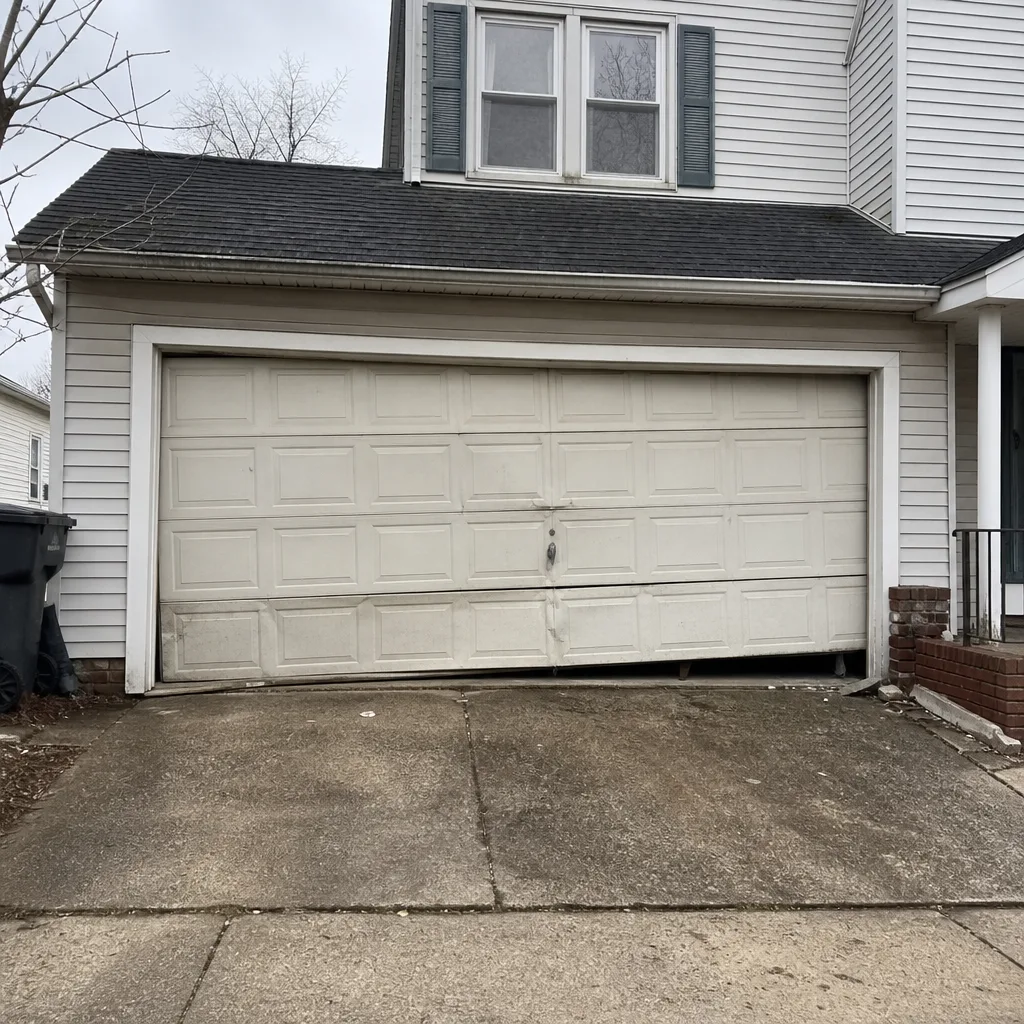 Before
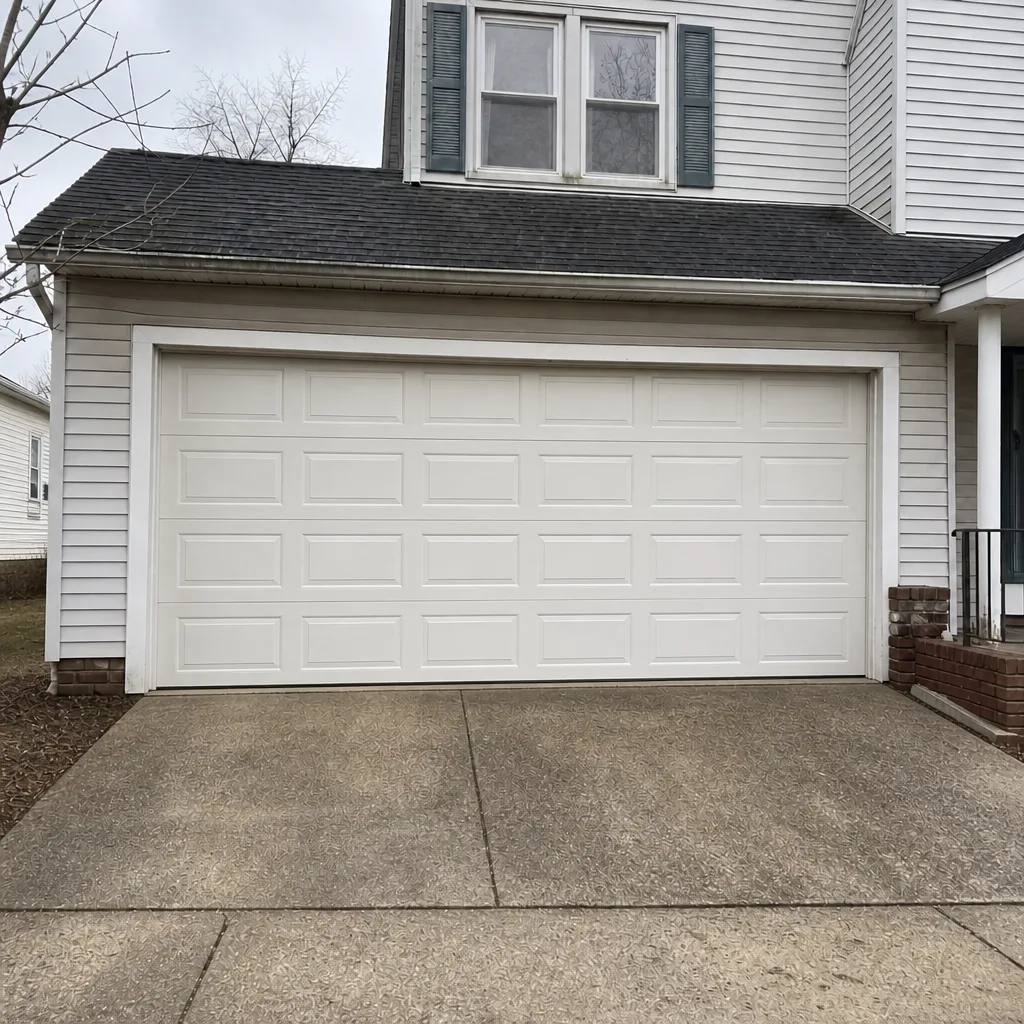 After
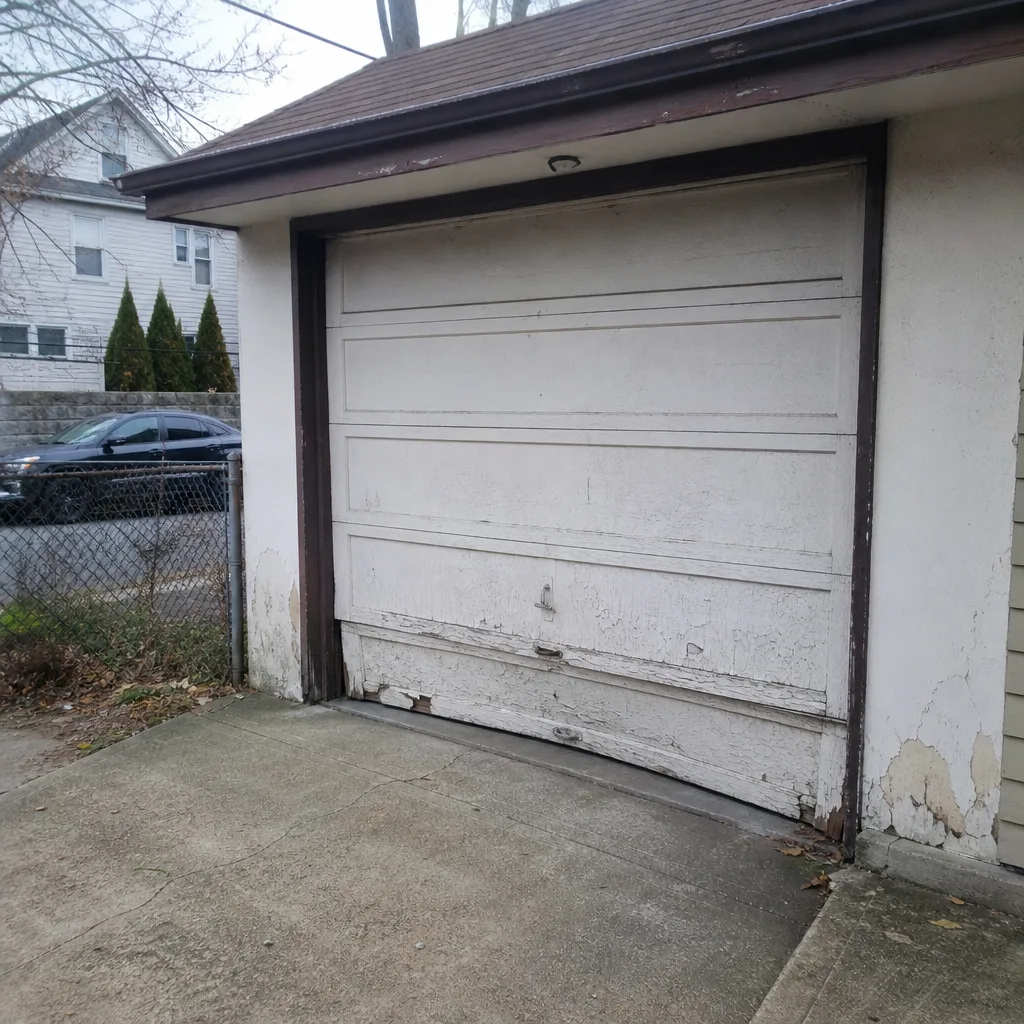 Before
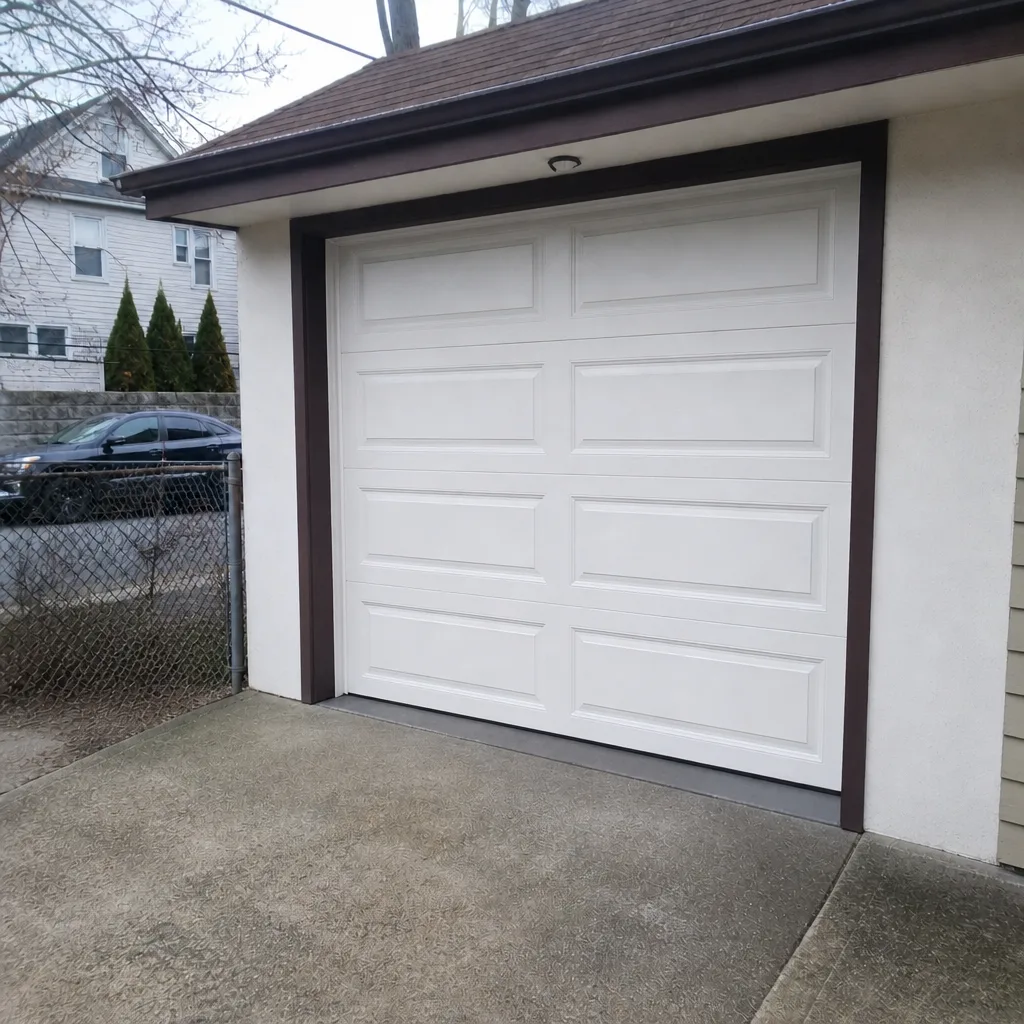 After
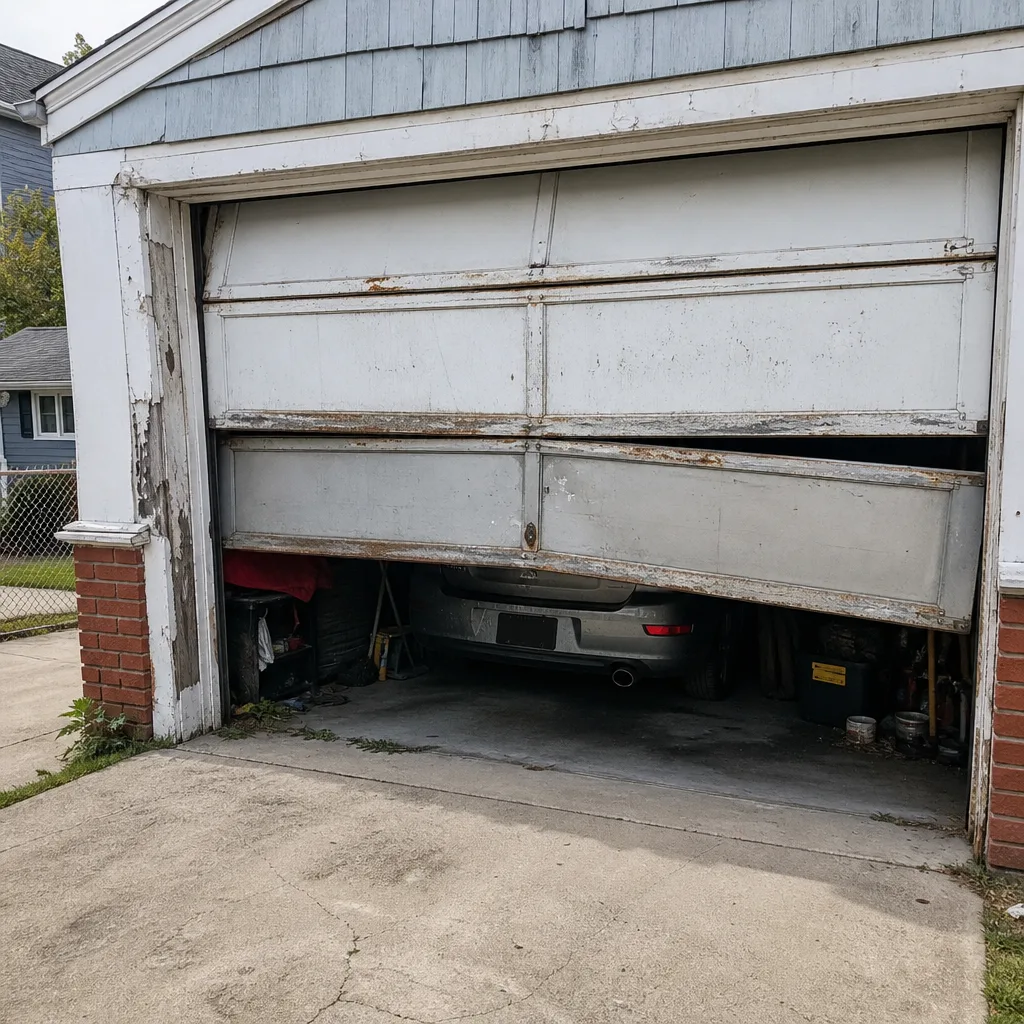 Before
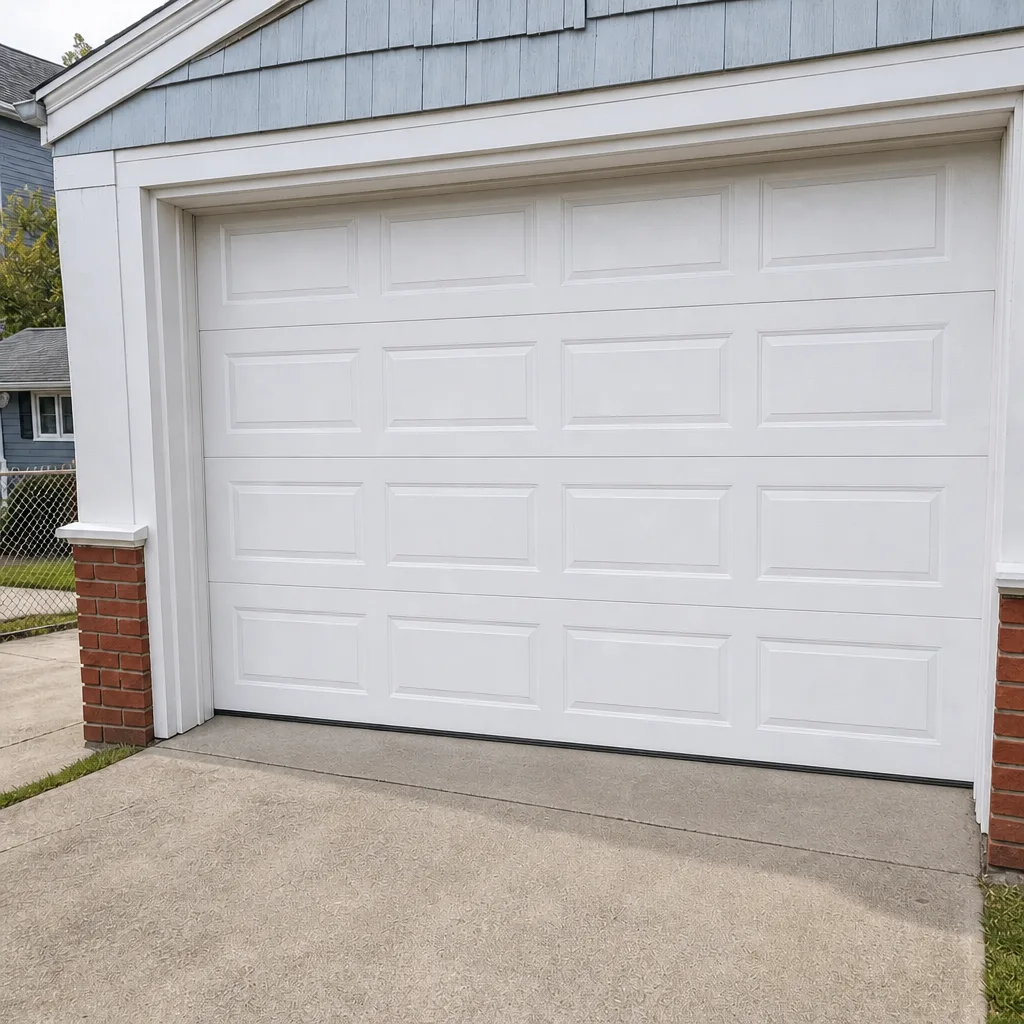 After
When to Call a Professional
Call a technician when you see any Tier 3 sign, when a sag or a scraping track is involved, or when you’ve checked the door by hand and it’s stiff or heavy. You should also call when a symptom won’t go away with lubrication, when the opener hums without moving, or when you simply can’t tell which component is behind the noise. Those are all situations where a trained eye answers in minutes what a checklist can only guess at.
Paterson Garage Door Repair Co offers free estimates in Paterson and handles the full system, so you don’t need one call for the door and another for the opener. Our technicians have up to 14 years of experience with springs, panels, tracks, and openers. Call (844) 553-2327 and keep the door parked until we can take a look. When the door won’t move at all, same-day service is available.
Frequently Asked Questions
The earliest warning is usually a change in sound or speed: the door starts grinding, running slower, or grabbing on one side. Most failing garage doors telegraph the problem weeks before they break, and the first sign is almost always a small change in the way the door moves. If you notice a sound or a stutter that wasn’t there last month, log it and get it checked before the next cold snap.
Stop using the door immediately if the spring is snapped, the cable is frayed or kinked, the door drops fast when released, or the safety reverse fails. Those are the signs that mean the door is being held by something that’s already failed, or that the door could come down on a person or a car. Call a technician and keep everyone clear. Running the opener on a door in that condition makes the repair worse, not better.
No. In most cases we see, a slow door is a mechanical problem: binding tracks, worn rollers, or weakened springs making the opener work harder than it should. The quick test is to disconnect the door from the opener using the manual release and move the door by hand. If it’s stiff or heavy, the door is the issue, not the opener. If it moves smoothly and the door still runs slow, then it’s time to look at the opener itself.
Cold weather thickens lubricant, stiffens rollers, and weakens already-fatigued springs, so the same door that seemed fine in October can feel sluggish in January. Paterson winters are the season when spring fatigue finally shows. A slightly slow door in the cold is doing you a favor: it’s telling you to lubricate now and inspect the springs before they fail. The reverse is true in summer, when heat expansion can make a track scrape.
The local professionals we connect you with are licensed and insured as their state requires. We work on eight major garage door and opener brands, including LiftMaster, Chamberlain, Clopay, Amarr, Wayne Dalton, Craftsman, Genie, and Raynor, so we know your specific hardware before we arrive. The written estimate sets the price, and the price is quoted and agreed before any work starts. Call (844) 553-2327 for a free estimate.
No. Both are under tension and both can fail suddenly. A bent track can pull the cable, and a torsion spring is under enough load to cause serious injury if it releases unexpectedly. The only safe fix is a trained technician with the right tools and the knowledge to wind and unwind tension safely. Call us and we’ll take care of it.
The Bottom Line
A garage door almost never fails without notice. It gives you a warning first, and that warning comes in the form of a specific sound, a change in how the door moves, or a measurement you can see, like a sag or a gap in a cable. Grinding usually means rollers. Scraping usually means the track. A fast-dropping door means the springs. Slow movement usually means the door, not the opener. Match the sign to the component and you’ll know whether to monitor it or stop using the door today. Most warning signs in Paterson are caught early enough to be a small repair. The ones that aren’t come from ignoring a sign that was already there.
If anything on this guide matches what your door is doing, call Paterson Garage Door Repair Co at (844) 553-2327 for a free estimate. We’ll tell you what the sign means, what the repair involves, and what it will cost before any work starts. Estimates are free, same-day service is available when the door won’t move, and every repair is backed by a satisfaction guarantee.
For more on our services, start with Paterson Garage Door Repair Co to see how we handle the full system.
Written by the team at Paterson Garage Door Repair Co.